I stepped off the train in Zermatt as snow fell softly over the wooden chalets, and the Matterhorn appeared through the clouds like a secret being whispered.
No cars, no noise, just sleigh bells and glowing windows.
If you’re searching for the best places to visit in Zermatt in December, I’ve got you.
These 15 spots gave me the Swiss winter escape of my dreams, and they’ll warm your heart even when your breath freezes.
1. Bahnhofstrasse and Zermatt Village Center
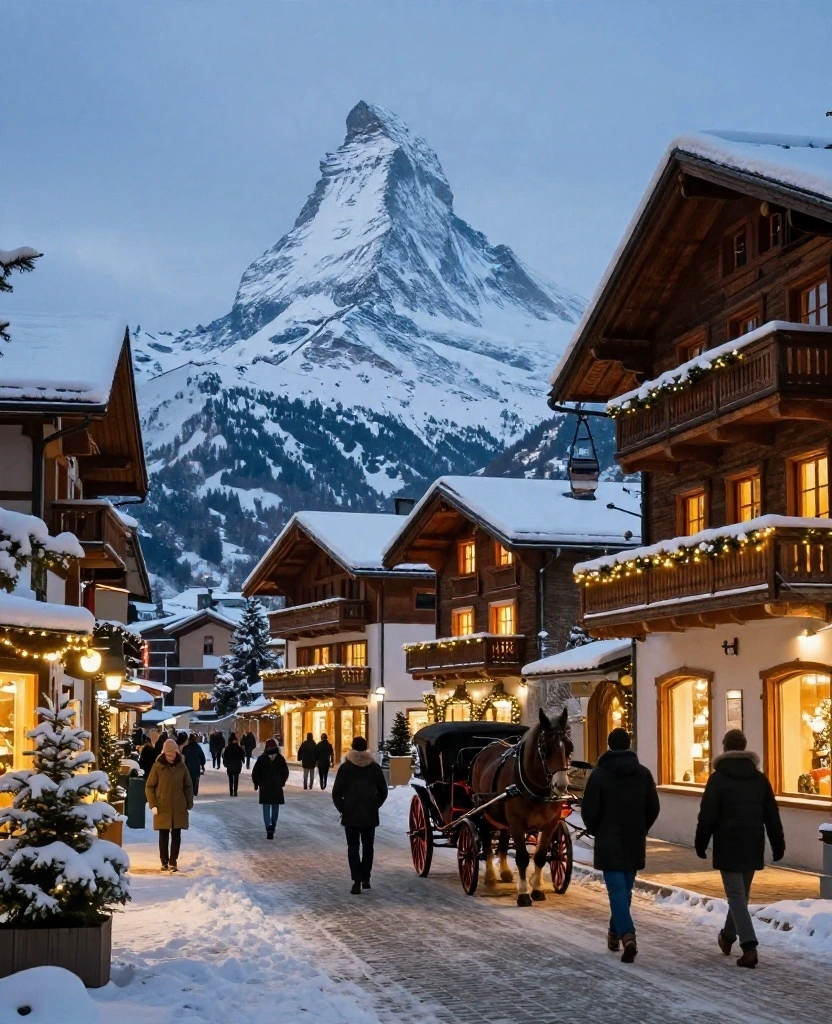
Start your December visit on Bahnhofstrasse, where Zermatt’s winter charm feels close and easy to enjoy.
This car-free street links the railway station with shops, bakeries, hotels, restaurants, and cable-car stations.
Snow-covered chalet roofs, carved balconies, and glowing windows create a warm scene beneath the mountain peaks.
You may also see electric taxis and horse-drawn carriages moving quietly through the village.
Visit early for peaceful streets and fresh snow, then return after sunset for brighter lights and livelier energy.
Browse wool socks, Swiss chocolate, wooden gifts, and winter gear before warming up with hot chocolate or a flaky pastry.
Side lanes often reveal old barns, narrow bridges, and stone foundations that reward a slower walk.
Use these simple ideas:
– Wear grippy waterproof shoes for polished snow near entrances
– Use the railway station as your main village landmark
– Reserve popular fondue restaurants before busy Christmas weekends
– Carry spare layers for changing sun and shade temperatures
Bahnhofstrasse gives you more than a convenient route through town.
It introduces Zermatt’s food, history, shopping, and friendly winter rhythm in one relaxed stroll.
2. Matterhorn Glacier Paradise at Klein Matterhorn
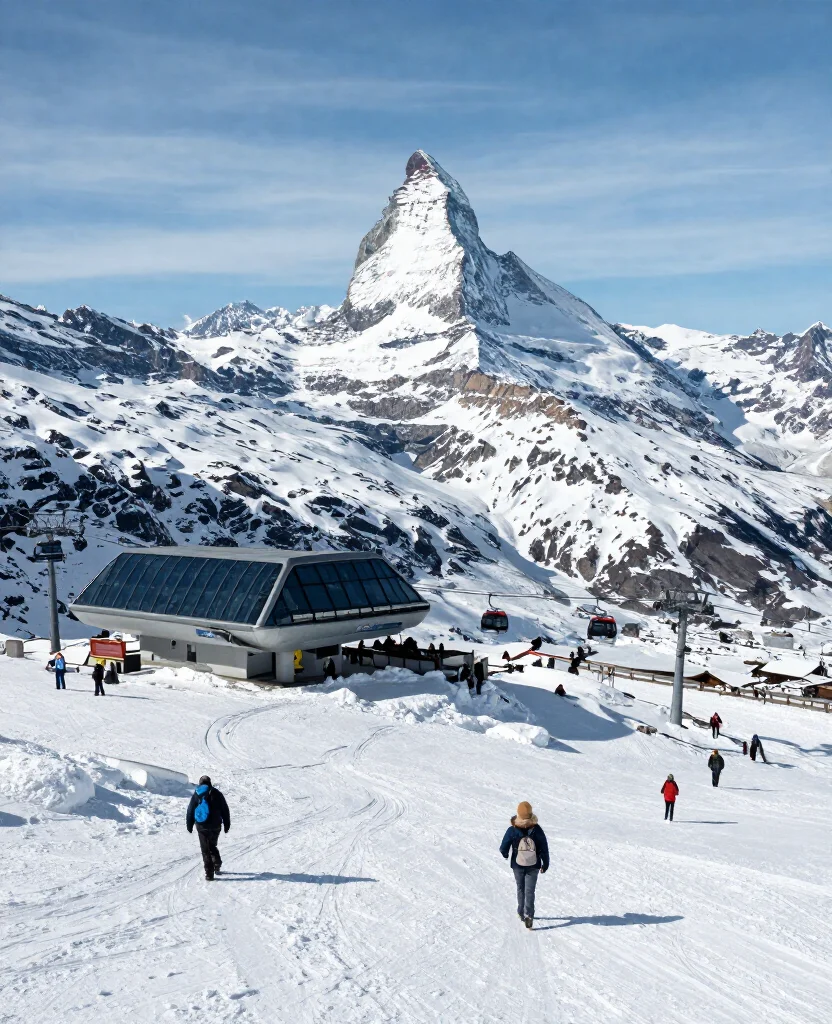
Matterhorn Glacier Paradise delivers a true high-alpine experience above Zermatt.
Cable cars carry you to Klein Matterhorn, where the station sits more than 3,800 meters above sea level.
From the viewing platform, snowy peaks stretch across Switzerland, Italy, and France, while the Matterhorn rises nearby in dramatic relief.
Inside, the Glacier Palace adds blue ice tunnels, carved walls, and softly lit chambers.
Move slowly when you arrive because the thin air can make simple steps feel surprisingly hard.
Drink water, wear warm layers, and bring sunglasses even when clouds cover the sky.
Wind and snow glare can feel intense at this height, so sunscreen and a covered face are useful too.
Plan your visit with these practical choices:
– Check visibility and wind conditions before leaving the village
– Allow several hours instead of squeezing this trip between meals
– Carry gloves, a hat, sunglasses, and water for the platform
– Pair the journey with a relaxed village afternoon afterward
Clear mornings usually offer the best mountain views, though conditions can change quickly.
Even when clouds hide the Matterhorn, the ice palace and high-altitude setting still make this one of Zermatt’s strongest December attractions.
3. Gornergrat Railway and Its Famous Panorama
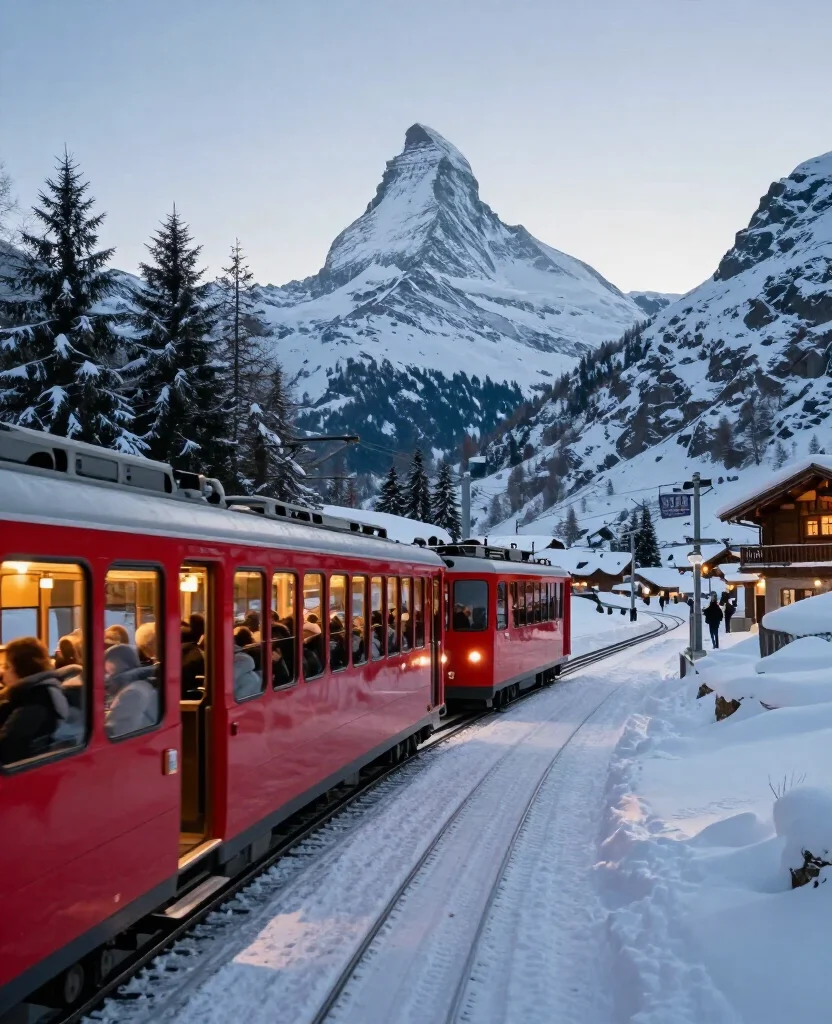
The Gornergrat Railway turns the journey into part of the adventure.
Its cogwheel train climbs from Zermatt through dark forests, snowy slopes, and open mountain terrain.
Wide windows let you watch the Matterhorn grow larger while the landscape shifts outside.
At the summit, views include the Gorner Glacier, Monte Rosa, and a long row of Alpine peaks.
Step outside for photographs, then warm up indoors when the wind reaches your face.
Riffelberg and Riffelalp offer lower stops with forest scenery, hotels, restaurants, and possible winter walks.
They can be better choices when cloud covers the summit or you prefer a shorter mountain outing.
Make the railway ride easier with these tips:
– Choose a window seat for changing Matterhorn views
– Check the final train time before beginning any walk
– Pack water and snacks for limited mountain café hours
– Wear sturdy footwear for snowy and icy platforms
Early trains often provide clearer skies and quieter viewpoints.
The Gornergrat experience feels comfortable enough for most visitors while still delivering the scale and excitement of a high Alpine day.
Also Read: What to Wear in Zermatt in December?
4. Sunnegga Funicular and Leisee Lake
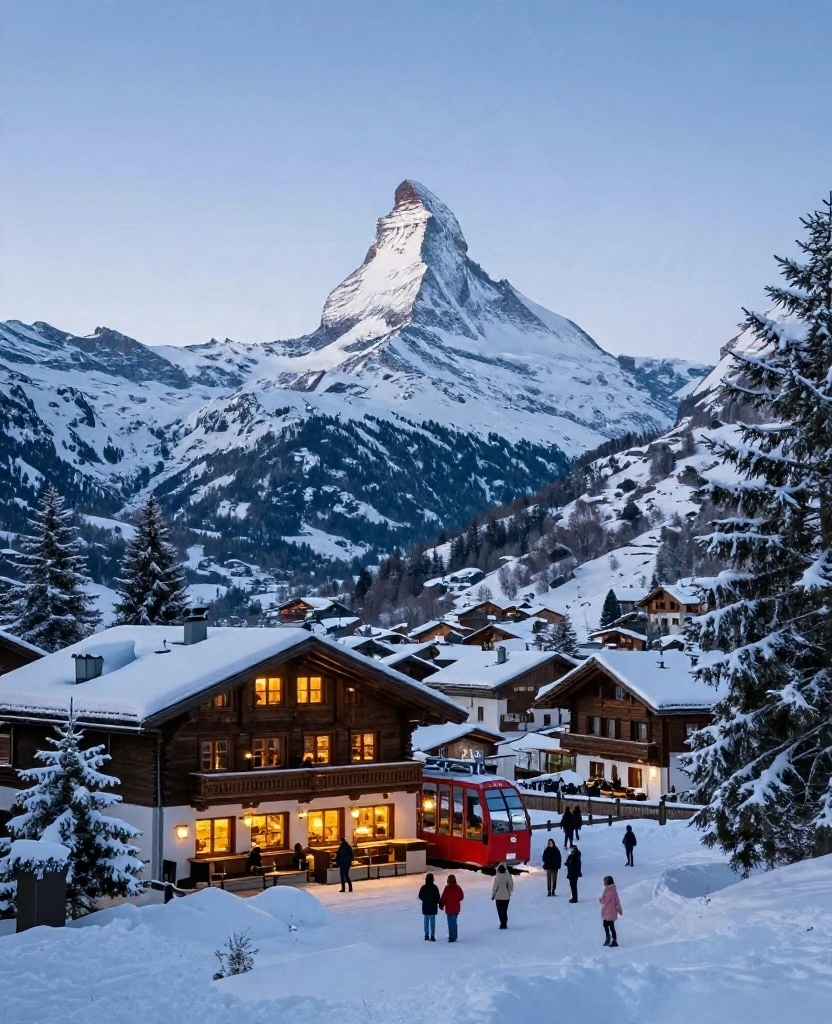
Sunnegga gives you mountain scenery without a long travel day or extreme elevation.
The underground funicular leaves central Zermatt and reaches its sunny terrace within minutes.
Step outside to find snowy viewpoints, Matterhorn views, ski slopes, and a frozen Leisee Lake beneath the winter sky.
The short journey makes this a practical choice for families and relaxed travelers.
Skiers can continue toward nearby runs, while non-skiers can enjoy the restaurant, fresh air, and marked paths.
Visit in the morning when low December sunlight may brighten the Matterhorn’s sharp edges.
If wind or cloud affects higher stations, Sunnegga still offers a comfortable Alpine setting close to town.
Keep your visit simple with these ideas:
– Check funicular and lift schedules before walking to the station
– Wear traction aids if leaving the main viewing terrace
– Confirm which winter trails and play areas remain open
– Plan a warm drink break before temperatures drop
Leisee Lake may look completely different beneath snow and ice, which adds seasonal character.
Sunnegga balances easy access, useful facilities, and memorable mountain views in one gentle half-day trip.
5. Blauherd and Rothorn for Wide Open Mountain Views
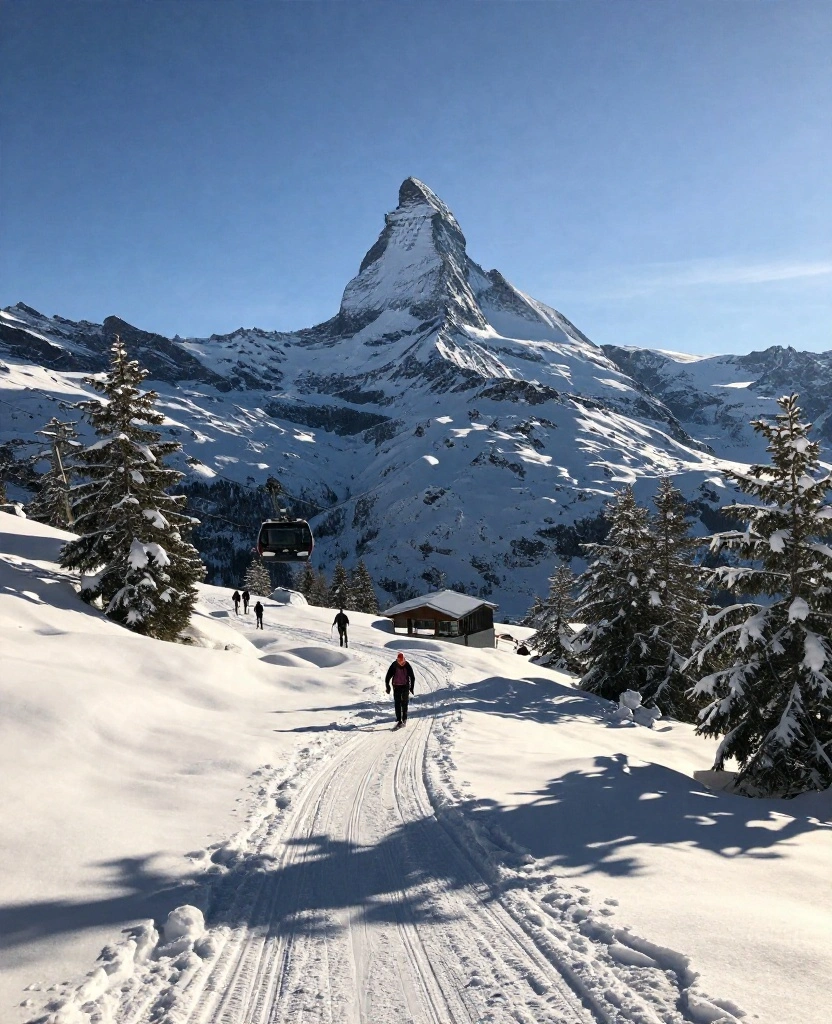
Blauherd and Rothorn suit travelers who want broad views, open snowfields, and fewer village distractions.
From Sunnegga, lifts carry you toward ski runs, ridges, and bright winter slopes with the Matterhorn standing prominently ahead.
Blauherd feels more approachable, while Rothorn reaches higher and offers a wilder, windier atmosphere.
Choose Blauherd for marked winter walks and easy access to wide views.
Continue to Rothorn when visibility is strong and you have warm gloves, a hat, goggles, and a face covering.
Check trail conditions before setting out because avalanche work, ice, or deep snow can close routes without warning.
December daylight fades early, so plan your return before the final lift.
Use these mountain habits:
– Check wind forecasts as carefully as temperature readings
– Stay on marked paths and follow staff instructions
– Keep your phone inside an insulated pocket
– Choose a lower station when upper ridges disappear
Morning light gives the snow a cool silver tone, while afternoon sun can warm the Matterhorn’s colors.
Blauherd and Rothorn deliver the spacious, dramatic side of Zermatt’s winter landscape.
📹 Related Video: Sunnegga Blauherd Rothhorn Funnicular, Zermatt, Switzerland
6. Riffelsee and the Riffelberg Winter Landscape
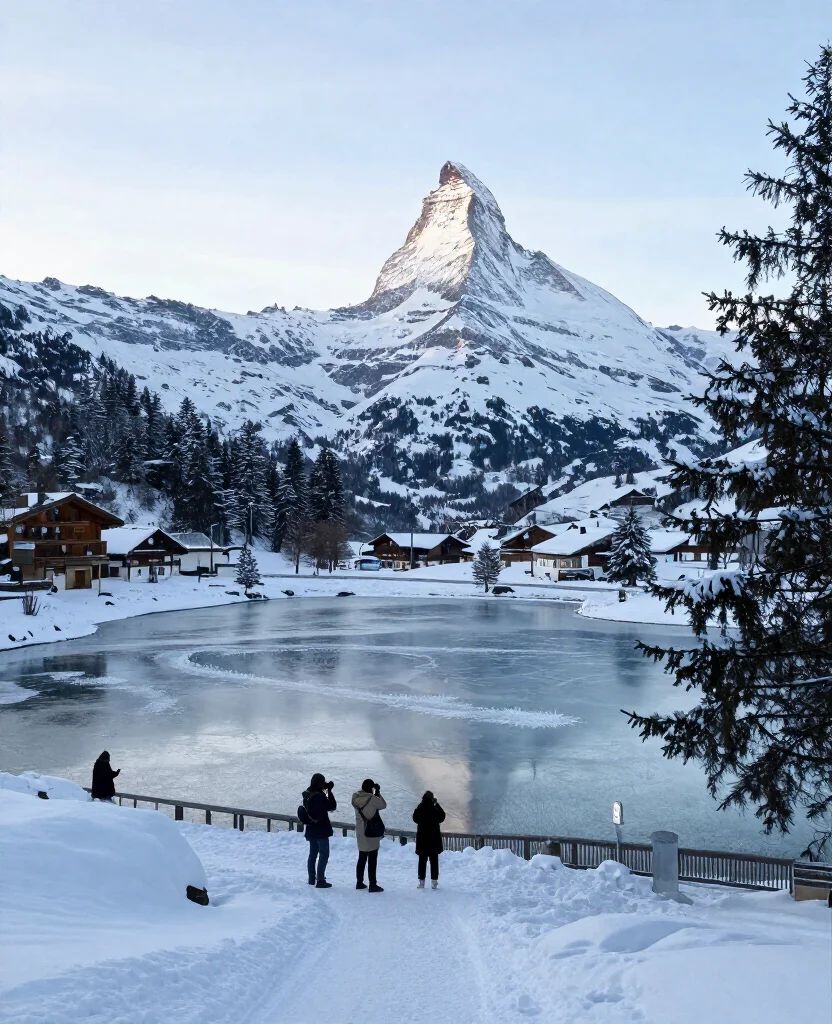
Riffelsee is known for Matterhorn reflections, yet December gives the lake a quieter and more natural mood.
Water may freeze, disappear beneath snow, or show only a broken reflection between patches of ice. Wind-shaped powder, rough mountain edges, and silent slopes become part of the scene. The result feels less like a perfect postcard and more like a real Alpine landscape.
Take the Gornergrat Railway to Rotenboden when the station and walking route are open.
The short summer walk becomes slower over snow and ice, so wear waterproof boots with firm soles.
Stay on marked paths because hidden rocks, uneven ground, and steep edges can be difficult to see.
Calm mornings often bring the clearest Matterhorn views.
Prepare for the visit with these steps:
– Confirm Rotenboden access and trail conditions before traveling
– Carry a warm drink in a secure bottle
– Protect camera batteries from freezing temperatures
– Start early for better light and clearer skies
Keep the stop brief if wind reaches the lake.
Riffelsee rewards patience, careful walking, and an appreciation for changing weather rather than guaranteed reflections.
7. Christmas in Zermatt: The Festive Village Lights
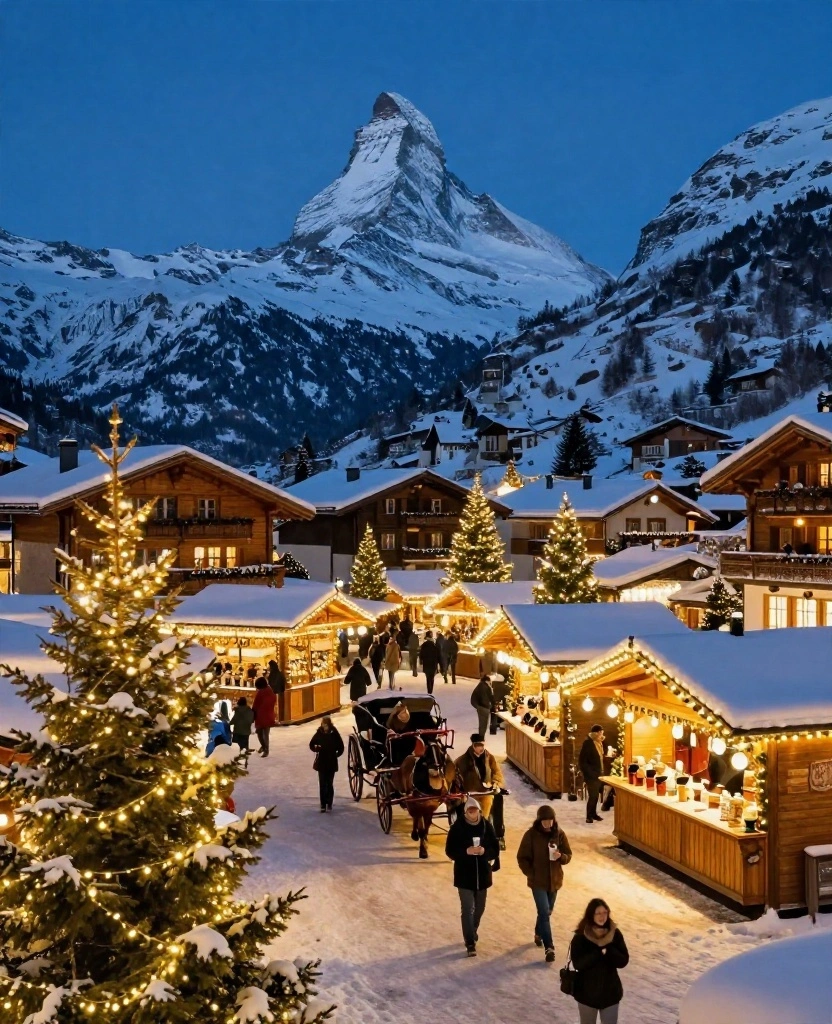
Christmas in Zermatt brings the village to life with glowing lights, decorated chalet windows, and cheerful evening walks.
Bahnhofstrasse, the church area, and older lanes shine beneath the snowy peaks, creating a festive scene without losing the village’s traditional character.
Small markets or seasonal events may include handmade crafts, wool items, local food, music, and sweet treats.
Check the local events calendar because dates, stalls, and opening hours change each year.
Dress warmly for standing outside, especially on Christmas Eve and New Year evenings.
Fondue restaurants and popular cafés fill quickly, so reserve ahead if you have a favorite place in mind.
A slow walk between warm drinks and decorated streets often feels more enjoyable than chasing every event.
Make the evening easier with these choices:
– Confirm market dates and weather plans before setting out
– Carry cash and a small reusable shopping bag
– Reserve Christmas and New Year dinners early
– Check holiday hours for shops and local services
Look upward when the sky clears because the Matterhorn may appear as a dark outline above the rooftops.
Snow, lights, food, and mountain air create the kind of December memory that stays vivid long after your trip.
You might also like

8. Hinterdorf: Zermatt’s Oldest Village Lanes
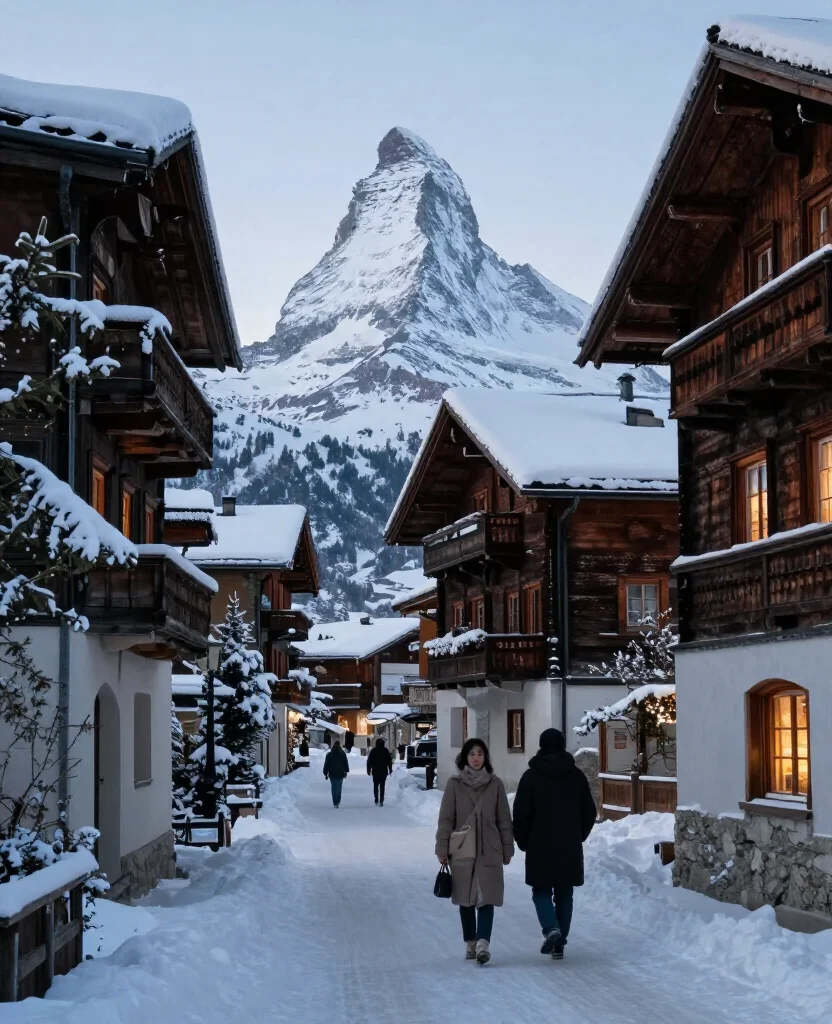
Hinterdorf offers a close look at Zermatt’s older way of life.
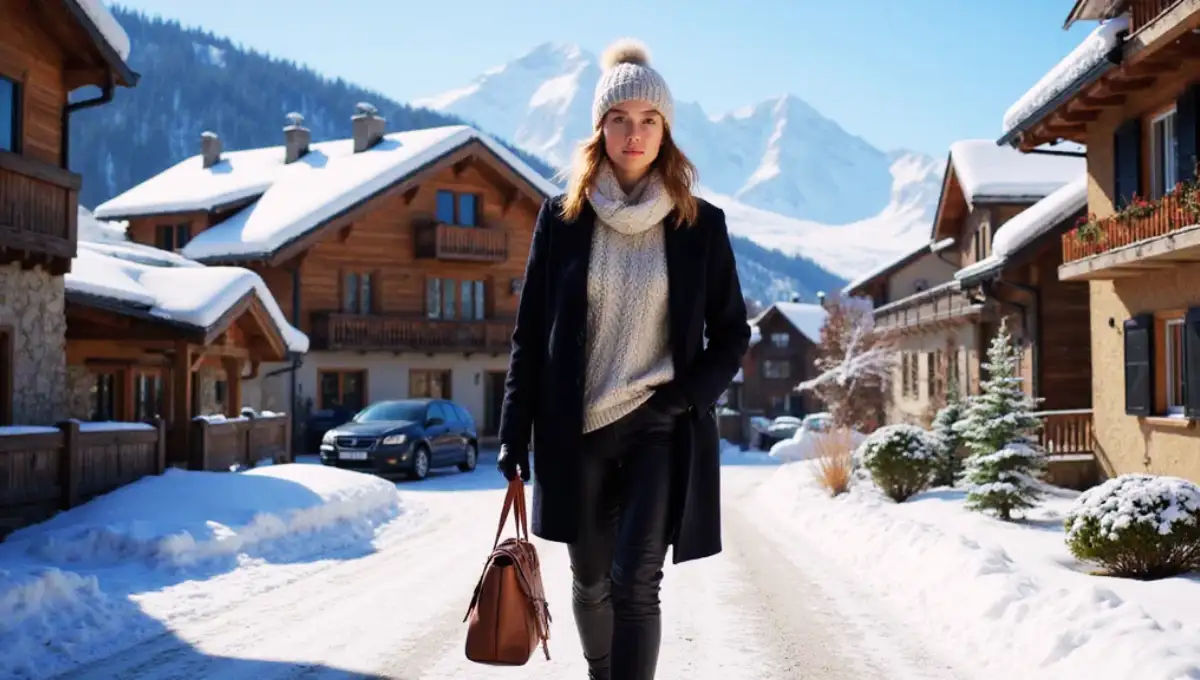
Just steps from busy hotels and ski shops, this historic quarter holds weathered larch buildings, stone foundations, wooden barns, and narrow lanes.
December snow gathers on the roofs and quiets the area, making carved timber, uneven walls, and tiny windows easier to notice.
Visit during daylight to study the construction details, then return after dark only if the paths are safe.
These are genuine historic buildings among homes, not a staged display, so keep voices low and avoid private entrances.
Pair the walk with the church, museum, Bahnhofstrasse, or a nearby bakery for an easy village route.
Explore respectfully with these habits:
– Wear firm-grip shoes near icy stone paths
– Visit early for softer light and fewer visitors
– Avoid touching fragile timber walls and old fittings
– Leave doorways clear for local residents
Hinterdorf does not require a long checklist or a rushed visit.
Ten thoughtful minutes can reveal how mountain families once stored food, protected buildings, and adapted daily life to the high valley.
9. Matterhorn Museum – Zermatlantis
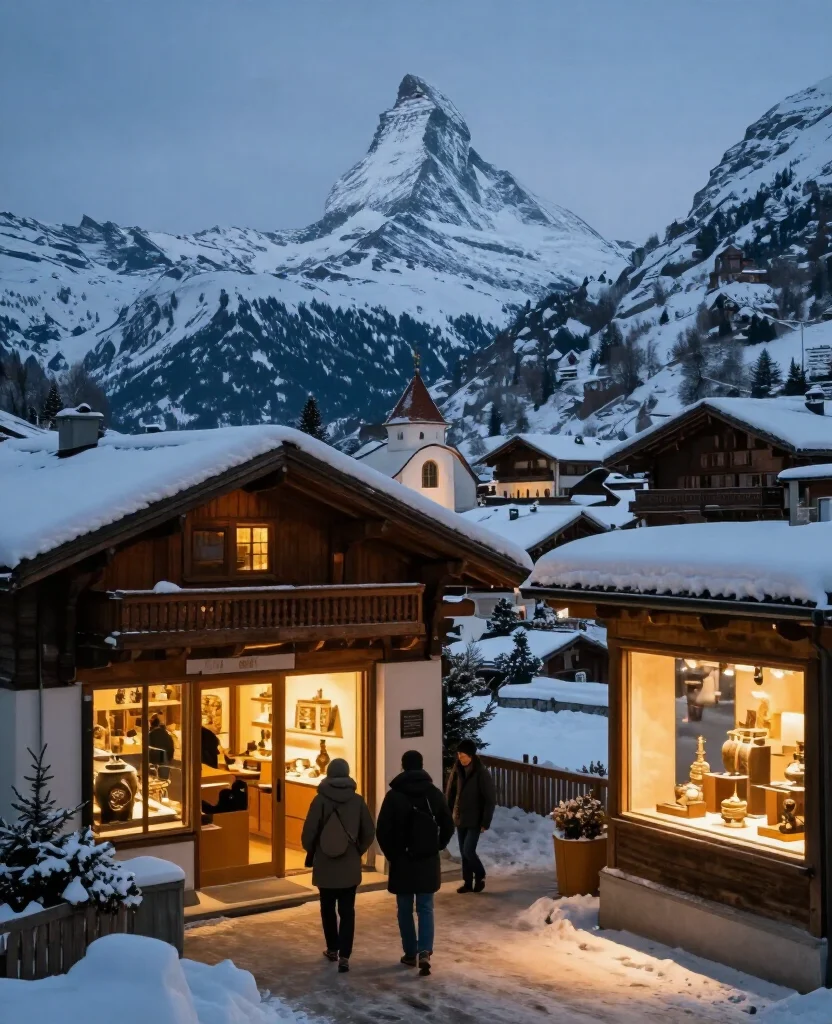
Matterhorn Museum, also called Zermatlantis, gives you a warm and meaningful place to visit when clouds hide the peaks.
Near the village church, the underground museum explores Zermatt’s farming roots, local traditions, climbing history, and growth into a famous mountain resort.
Recreated rooms, old tools, clothing, rescue gear, and mountaineering equipment make the story easy to follow.
The displays about the first Matterhorn ascent show the courage and danger behind the mountain’s fame.
Families can explore the recreated village setting, while adults may enjoy seeing how transport, tourism, and mountain life changed over time.
A museum visit also adds context to the barns, railways, cable cars, and trails you see outdoors.
Plan a useful indoor break with these ideas:
– Check holiday opening hours before walking to the museum
– Visit during a cloudy afternoon or heavy snowfall
– Give children a simple object-finding activity
– Combine the museum with the church and old lanes
Allow extra time if you enjoy detailed exhibits, though a focused hour still feels worthwhile.
Zermatlantis adds depth to your winter trip by connecting today’s resort with the people and risks that shaped the valley.
10. St. Mauritius Church and the Mountain Cemetery
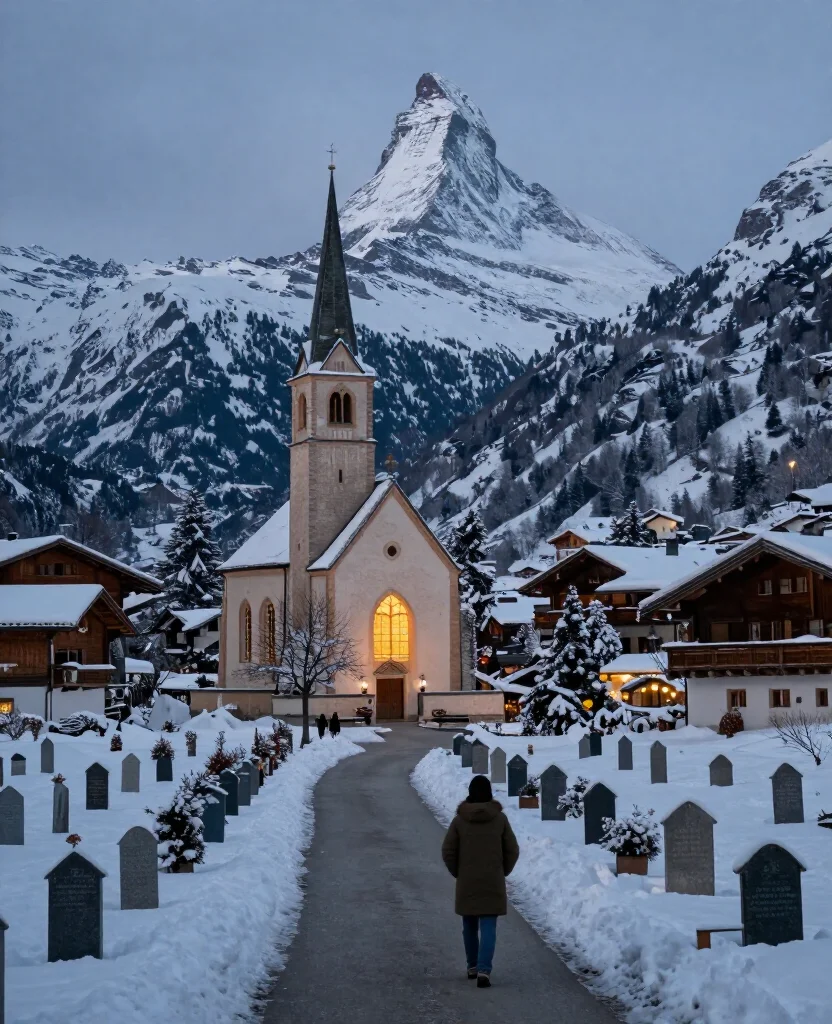
St. Mauritius Church offers a quiet pause near the heart of Zermatt.
Snowy paths, old buildings, and nearby mountain views surround this simple village landmark.
Its calm setting feels especially welcome after crowded shops, busy lift queues, or a windy day above the valley.
Step inside when open to enjoy a few peaceful minutes and notice the church’s gentle atmosphere.
The nearby cemetery includes memorials to climbers who died on the Matterhorn and surrounding peaks.
Names, dates, and personal tributes show the human cost behind the region’s mountain fame.
Visit quietly, avoid photographing mourners or private ceremonies, and treat the space as a place of remembrance rather than a quick viewpoint.
Show care with these simple guidelines:
– Keep voices low near the church and cemetery
– Check service times before entering the building
– Avoid photographing private ceremonies or grieving families
– Visit during daylight when paths are icy
Combine this stop with Hinterdorf, the museum, or Bahnhofstrasse for an easy central walk.
St. Mauritius adds a softer rhythm to your itinerary and reminds you that Zermatt remains a living Alpine community, not only a winter resort.
11. Gorner Gorge in Its Winter Season
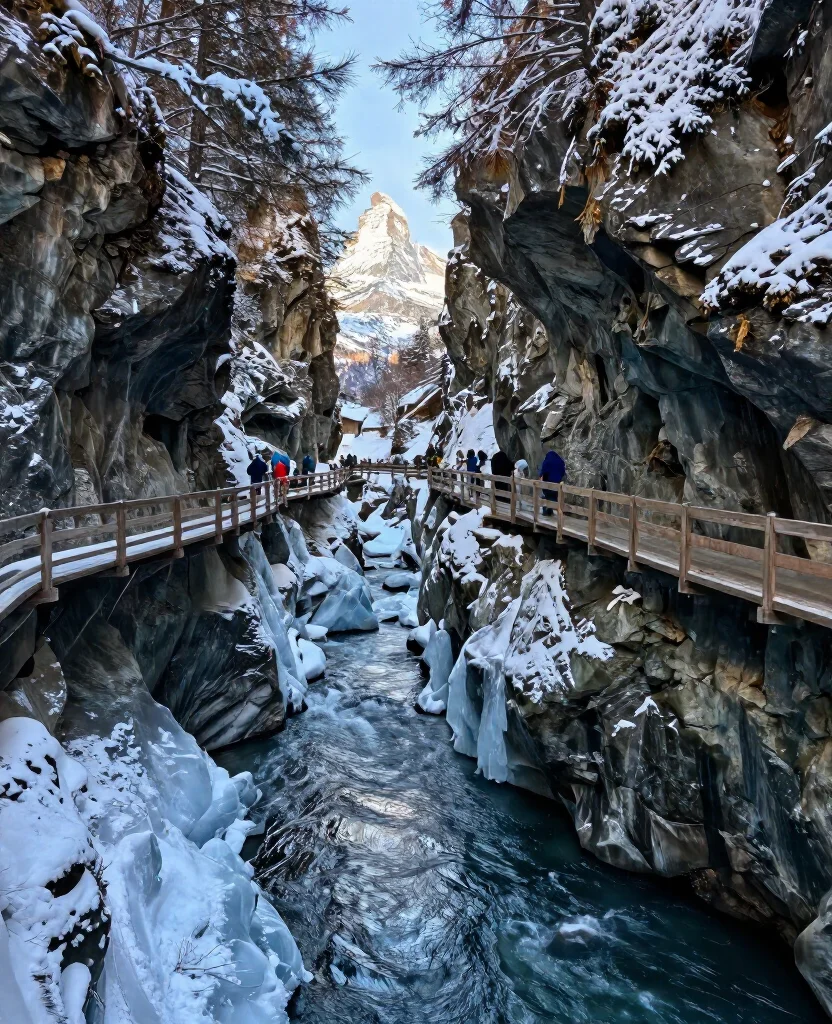
Gorner Gorge offers a close, dramatic view of winter nature rather than a wide mountain panorama.
Water has carved narrow channels through greenish rock, leaving steep walls, ledges, pools, and shadowy passages.
In December, snow gathers above the gorge while ice clings to shaded edges, creating a striking contrast between rushing water and frozen surfaces.
Winter access can change because of snow, ice, maintenance, or safety work, so check conditions before leaving.
If the walkway is open, wear waterproof boots with strong grip and use care on wooden sections.
Never cross a locked gate or leave the marked route.
The gorge can feel colder and darker than the village, especially in the afternoon.
Prepare for the walk with these essentials:
– Confirm seasonal opening and walkway conditions beforehand
– Wear waterproof boots with deep, reliable tread
– Bring gloves for cold railings and damp air
– Keep children close along narrow sections
Listen for rushing water beneath the walkways and look for frozen drips, wet rock, and snow-covered branches.
Gorner Gorge shows the raw power of the valley in a compact, memorable winter setting.
12. Findeln Hamlet and Its Cozy Mountain Restaurants
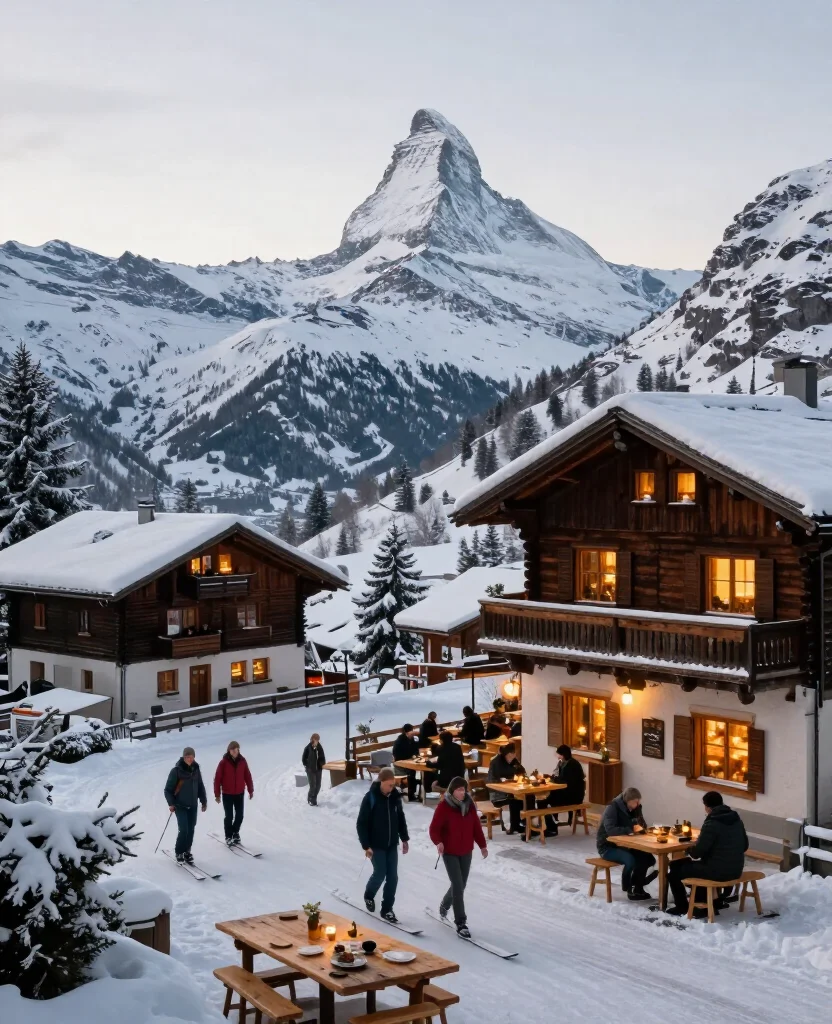
Findeln combines old Alpine buildings with inviting mountain restaurants above Zermatt.
Snow-covered slopes lead toward dark timber barns, stone walls, and dining rooms that serve hearty Swiss food.
Rösti, cheese dishes, soup, sausages, and homemade desserts taste especially satisfying after a cold walk or ski run.
The hamlet feels peaceful while remaining close enough for a practical half-day trip.
Ask local staff about the safest walking route because some paths cross ski areas or become icy after fresh snowfall.
Restaurant hours can change during winter, and lunchtime tables fill quickly during school holidays.
Snowshoes may help on deep powder, while sturdy boots work well on packed routes.
Never follow ski tracks as though they were walking trails.
Enjoy Findeln with these useful choices:
– Check restaurant hours and reservations before leaving Zermatt
– Confirm payment methods and carry some local cash
– Ask staff about safe routes away from ski traffic
– Bring a headlamp for any late return
Choose an outdoor table briefly when the weather is calm, then move inside before your meal cools.
Findeln brings together traditional scenery, satisfying food, and the cozy side of Christmas in Zermatt.
You Might Also Like
![]](https://fierytrippers.com/wp-content/uploads/2026/11/15-Magical-Things-to-Do-in-Chamonix-in-December-for-the-Ultimate-Christmas-Escape.webp "15 Best Places to Visit in Zermatt in December for a Magical Swiss Winter Escape (You’ll Want to See #7!) 15 Best Places to Visit in Zermatt in December")

13. Riffelberg and Riffelalp for a Slower Mountain Day
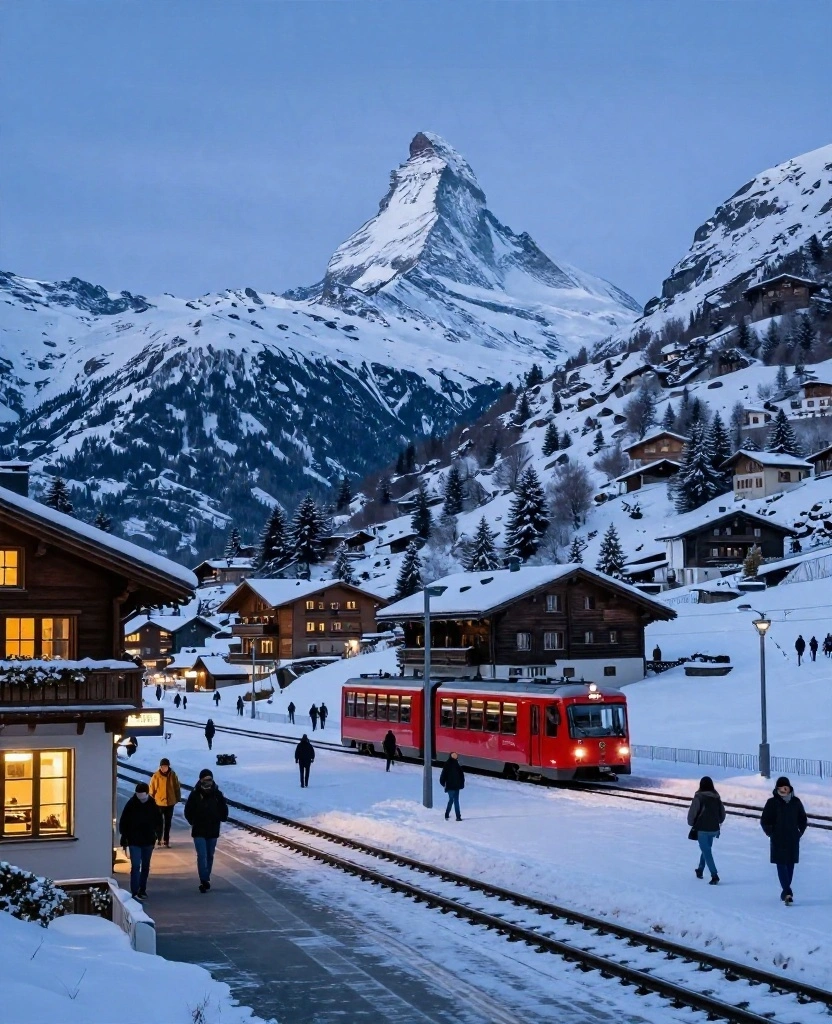
Riffelberg and Riffelalp suit travelers who want beautiful mountain scenery without a demanding schedule.
Both stops sit along the Gornergrat Railway, so you can reach them comfortably while still feeling high in the Alps.
December snow covers open slopes and forest edges, with the Matterhorn often rising clearly across the valley.
Riffelberg offers broad views, possible winter paths, and access to dining when services are open.
Riffelalp sits lower among trees, giving you more shelter when wind reaches the higher slopes.
Check restaurant, hotel, train, and trail schedules before leaving because winter operations can change.
Families, older travelers, and photographers often appreciate the gentle pace.
Choose the right stop with these ideas:
– Pick Riffelalp for forest shelter and quieter scenery
– Pick Riffelberg for open Matterhorn views and light
– Confirm marked walking routes remain open in December
– Leave time for the final train back
Carry a warm drink and spare gloves for longer photo stops.
These locations prove that a memorable mountain day can involve a short walk, a comfortable train, and plenty of time to breathe in the cold Alpine air.
14. Furi and Zermatt’s Winter Walking Trails
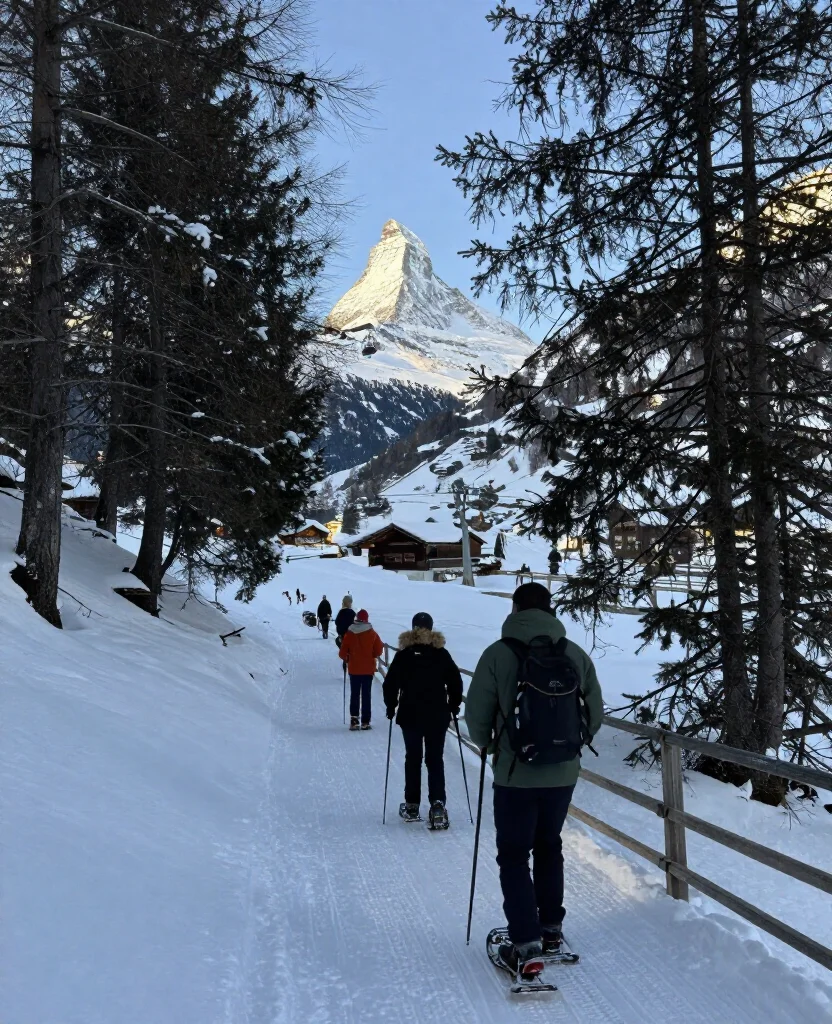
Furi offers a quieter way to experience Zermatt’s winter landscape.
Cable cars carry you above the village, where dark pine woods, snowy slopes, wooden bridges, and distant Matterhorn views replace busy streets.
Depending on conditions, you may find prepared winter walks, snowshoe routes, or peaceful viewpoints near the hamlet.
Ask lift staff, the tourist office, or a mountain guide which paths are suitable that day.
Fresh powder can turn a short summer trail into a slow and tiring route.
Ice, avalanche control, wind, or maintenance may close bridges and paths without warning.
Respect every closure instead of searching for a way around it.
Pack wisely for a safe outing:
– Check avalanche and trail conditions before leaving
– Choose microspikes or snowshoes for current surfaces
– Carry water, snacks, an offline map, and spare gloves
– Tell someone your planned route and return time
Turn back early if visibility falls or snow becomes unstable.
Furi rewards careful visitors with quiet forests, clean snow, and a more natural side of Zermatt that feels far from the busiest ski areas.
15. Matterhorn Ski Paradise and the December Slopes
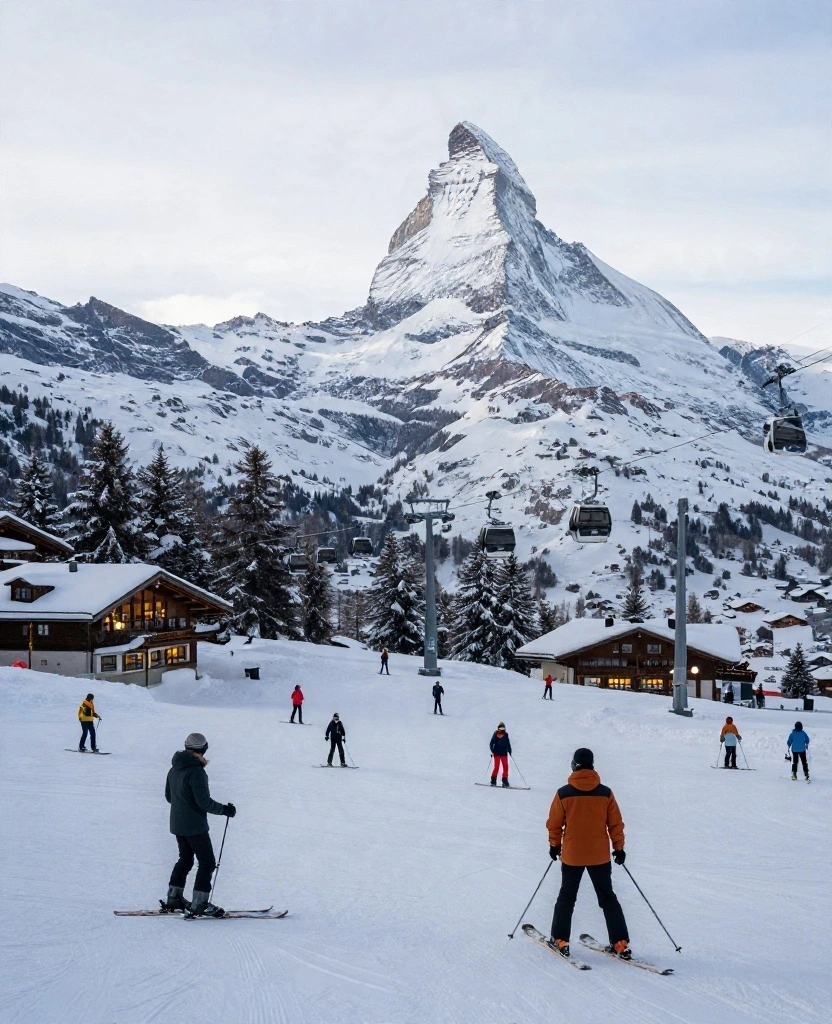
Matterhorn Ski Paradise brings together the active side of a Zermatt winter escape.
Its slopes range from beginner areas to long Alpine runs and high glacier terrain, with routes extending toward the Italian border.
December can offer excellent skiing, though snow depth, wind, and lift access still vary by altitude and weather.
You can enjoy the area without feeling pressured to reach its highest runs.
Beginners benefit from ski schools, practice zones, and patient instructors who match lessons to their comfort level.
Experienced skiers should study the piste map and return connections before crossing between areas.
Non-skiers can still ride cable cars, visit mountain restaurants, and enjoy high viewpoints without renting equipment.
Stay prepared on the slopes with these habits:
– Check snow reports and lift status each morning
– Wear a helmet and properly fitted equipment
– Follow marked runs and respect every closure
– Keep extra time for the final return connection
Carry water, sunscreen, identification, and a charged phone because altitude and snow glare can drain your energy.
Whether you ski all day or simply ride upward for the views, Matterhorn Ski Paradise delivers snow, glaciers, lifts, and unforgettable December scenery.
Conclusion: Let Zermatt Set the Pace
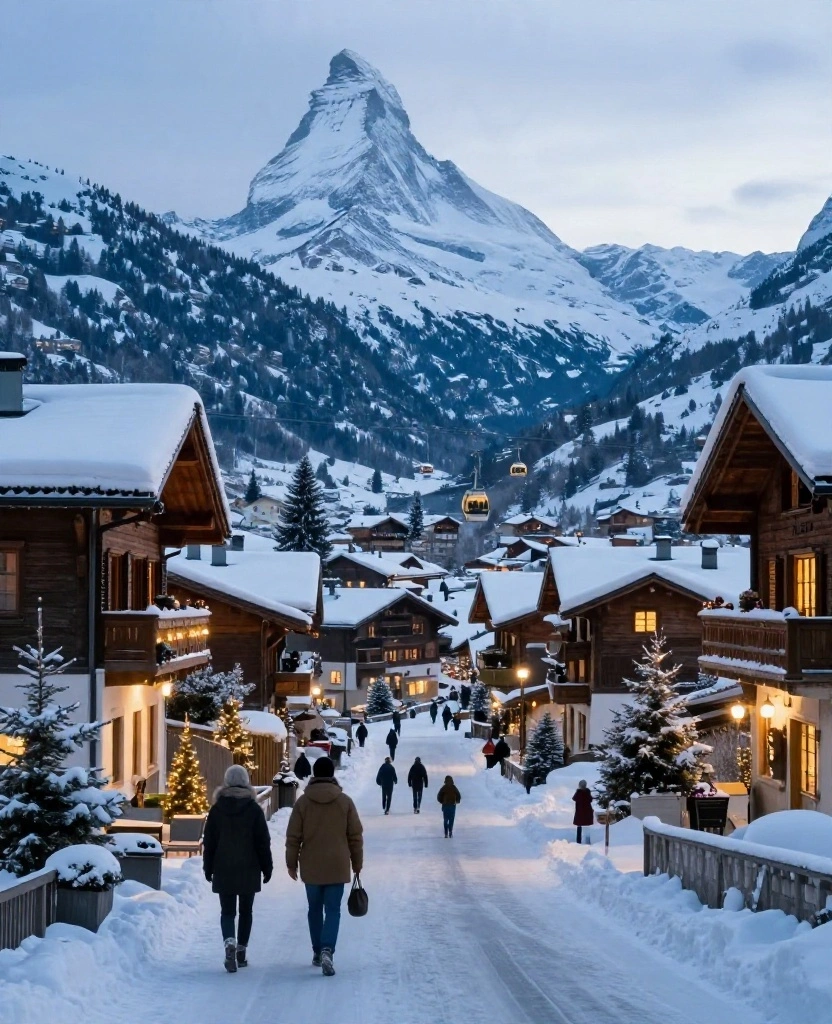
The best places to visit in Zermatt in December range from high glacier viewpoints and snowy ski runs to quiet churchyards, old barns, cozy restaurants, and glowing Christmas streets.
Mix one big mountain day with a slower village walk, and leave a little space for weather surprises.
That relaxed balance is what makes Christmas in Zermatt feel so special: dramatic scenery outside, warm Swiss hospitality inside, and a winter mood that feels genuinely local.
Frequently Asked Questions
Q. Is Zermatt worth visiting in December?
Yes. Snowy scenery, festive lights, and cozy chalets make it magical, though early-season snow cover can vary, so check conditions.
Q. What is the weather like in Zermatt in December?
Usually around -10°C to 0°C (14°F to 32°F) in the village, and much colder at altitude. Dress in warm, waterproof layers.
Q. Do I need a car in Zermatt?
No. Zermatt is car-free. You reach it by train from Täsch or Visp, and you get around on foot or by small electric taxis.
Q. What are the best non-skiing activities in Zermatt?
Gornergrat, Matterhorn Glacier Paradise, winter hiking, sleigh rides, spas, and the Matterhorn Museum are all great options.
Q. How many days do I need in Zermatt in December?
Three days gives you time for a cable car or train trip, a winter walk or ski day, and relaxed evenings in the village.

10 Stylish San Francisco Outfits for August That Will Keep You Cool and Chic!
10 Must-Have San Francisco Outfits for June That’ll Make You the Envy of Every Tourist!

10 Must-Have Outfits for San Francisco in May That Will WOW the Locals!
