The moment I saw snow settle on Sofia’s golden domes, I forgot all about the cold.
Mount Vitosha glowed in the distance, the cafés smelled of fresh banitsa, and the city felt wonderfully unhurried.
If you’re searching for the best Sofia attractions in December, I’ve got you.
These 15 spots turned my winter trip into pure magic, and one of them, number seven, is the one I’d tell you to see first.
1. Alexander Nevsky Cathedral: Sofia’s Most Unforgettable December Landmark
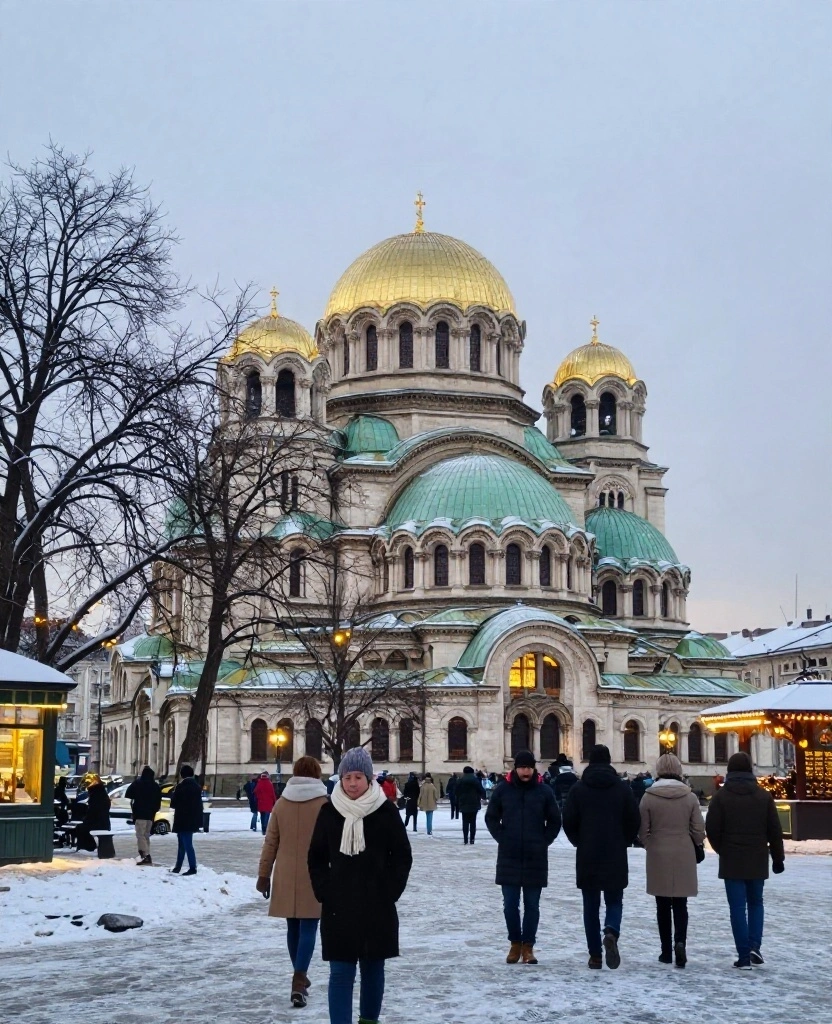
Alexander Nevsky Cathedral gives your December visit an unforgettable beginning.
Its pale limestone walls, green domes, and gold trim glow against Sofia’s cool gray sky, while the broad square lets you step back for a full view.
Built to honor Russian soldiers who died in the Russo-Turkish War, the cathedral feels like a national symbol rather than just another church.
Winter adds a quiet, almost cinematic mood to the grand setting.
Arrive early for softer light, fewer visitors, and calmer steps around the square.
Inside, dark wood, marble, hanging lamps, and huge frescoes create a warm escape from the cold.
Wear respectful clothing, and check whether photography is allowed during services or in specific areas.
Make this landmark easier to enjoy:
– Wear grippy waterproof shoes for frosty stone pavement
– Check service times before planning your quiet visit
– Pair it with St. Sofia Church and the City Garden
– Return after sunset for warm architectural lighting
Wind can make the square feel colder than expected, so bring gloves and a thick scarf.
Nearby cafés provide an easy place to warm up before exploring more of central Sofia.
Even with limited time, this cathedral gives your winter trip a powerful sense of Bulgarian history and scale.
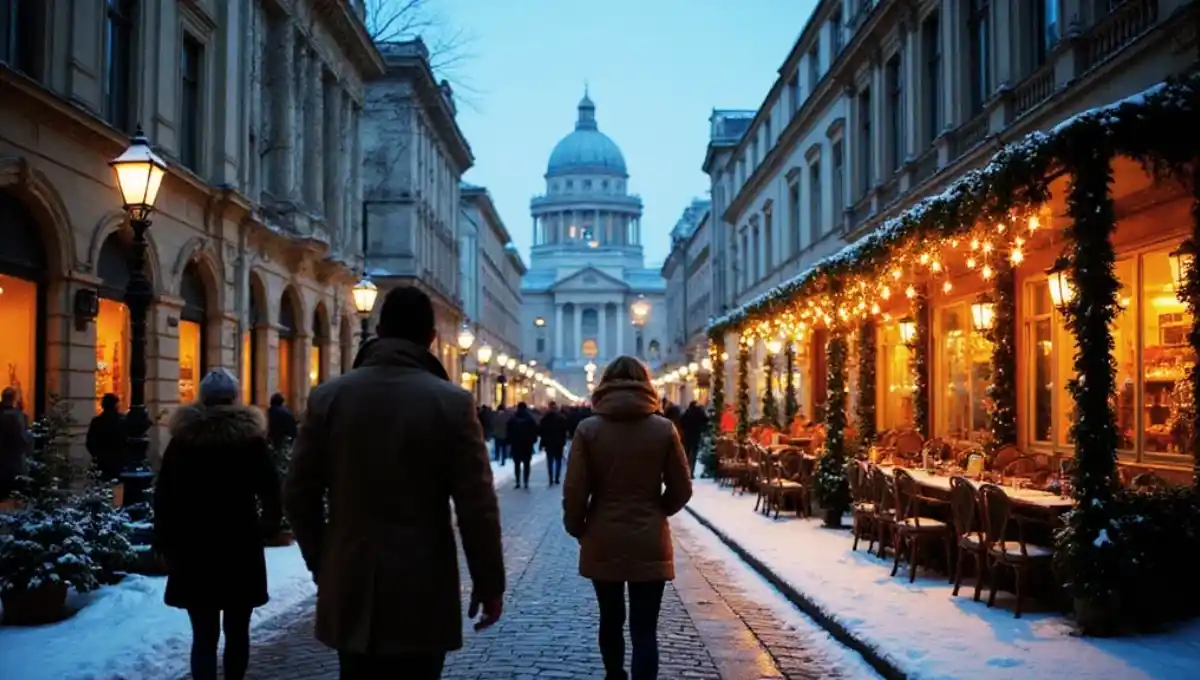
2. Sofia’s December Christmas Markets for Lights, Treats, and Local Cheer

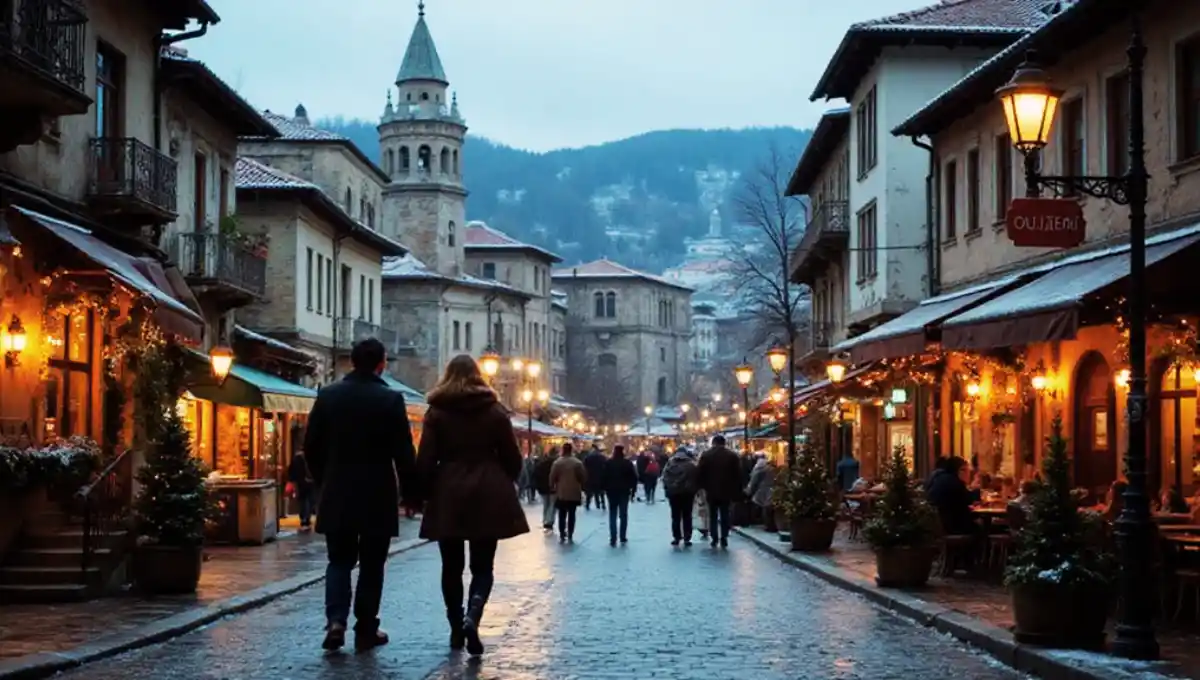
Sofia’s Christmas markets bring color, warmth, and friendly energy to the short days of December.
Stalls may appear in City Garden, Knyazheska Garden, central parks, or other public spaces, depending on the year.
Look for wooden booths filled with wool scarves, candles, painted ceramics, carved gifts, handmade ornaments, and Bulgarian folk-inspired decorations.
The appeal goes beyond shopping, since locals gather for hot drinks, snacks, music, and easy conversation.
Take time to taste seasonal favorites such as roasted nuts, grilled sausages, sweet pastries, hot chocolate, and mulled wine.
Some markets include concerts, children’s activities, light displays, or temporary skating areas, though schedules change.
Check the current event page before traveling, especially around Christmas and New Year.
Shop and snack with these simple habits:
– Visit on a weekday afternoon for smaller crowds
– Carry Bulgarian lev for smaller independent stalls
– Pack a reusable tote for fragile handmade purchases
– Try rose products or local honey for useful souvenirs
Keep your wallet secure near busy entrances, and eat before peak evening hours if you dislike long food lines.
Under glowing lights, with cinnamon in the air and damp pavement shining below, the market adds an easy burst of festive feeling to your Bulgaria itinerary.
📹 Related Video: 🇧🇬 Christmas Markets Tour | First Snow in 2023 | Sofia, Bulgaria 4k walk
Also Read: What to Wear in Sofia in December?
3. Vitosha Mountain: A Snowy Escape Above the City

Vitosha Mountain lets you leave Sofia’s traffic behind without leaving the city’s orbit.
A short ride can take you from busy streets to pine forests, white trails, open snowfields, and crisp mountain air.
December views across the capital can be wide and beautiful on clear days, while fast-changing clouds give the slopes a wilder mood.
It is an ideal choice when museums and city walks begin to feel repetitive.
Golden Bridges offers rounded stone formations and forest paths, while Aleko Hut and the ski area sit higher up.
Snow, wind, maintenance, and holiday schedules can affect roads, lifts, and restaurants, so check conditions before leaving.
A taxi or organized transfer may be easier than several public transport connections, especially with skis or heavy winter clothing.
Prepare properly for a mountain outing:
– Choose waterproof boots with deep, steady soles
– Carry gloves, water, snacks, and an extra layer
– Check weather and daylight hours before traveling uphill
– Stay on marked trails unless properly prepared
You do not need a demanding hike to enjoy Vitosha.
A short snowy walk, a hot meal at a mountain hut, or a safe roadside viewpoint can refresh your entire trip.
The contrast between urban Sofia and quiet winter nature gives your photographs, energy, and Bulgaria itinerary a welcome change of pace.
4. Boyana Church: Medieval Frescoes in a Quiet Winter Setting
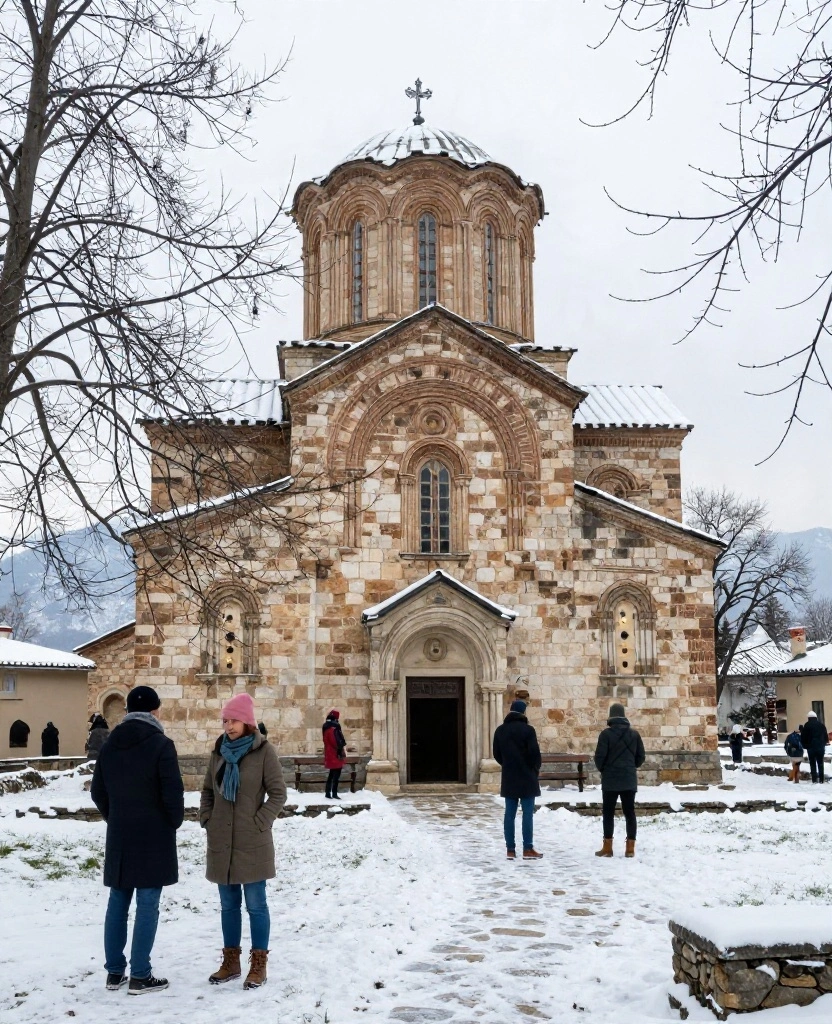
Boyana Church offers a quiet, intimate look at Bulgaria’s medieval art.
Set near the lower slopes of Vitosha, the small stone building feels worlds away from Sofia’s grand central monuments.
Its famous frescoes show expressive faces, careful gestures, and vivid details that still feel alive after centuries.
The church’s long history and UNESCO World Heritage status make it essential for travelers who enjoy art, faith, and old places with a strong sense of atmosphere.
Because the interior is small and fragile, visits are often timed and limited.
Check official visitor information or book ahead, especially during weekends and December holidays.
Flash photography may be forbidden, and staff guidance helps protect the artwork.
Pairing Boyana with Vitosha creates a natural half-day plan, though wet paths and muddy ground require sensible footwear.
Plan a smoother visit with these choices:
– Check timed-entry rules before leaving central Sofia
– Wear water-resistant boots for winter paths
– Combine the church with Vitosha Mountain nearby
– Listen for fresco stories from staff or guides
Do not expect a large tourist complex or rows of shops.
The charm comes from the protected setting, small scale, and remarkable paintings inside.
Boyana also creates a beautiful contrast with Alexander Nevsky Cathedral, giving your Bulgaria itinerary both monumental grandeur and peaceful medieval detail.
5. National Palace of Culture and Vitosha Boulevard After Dark
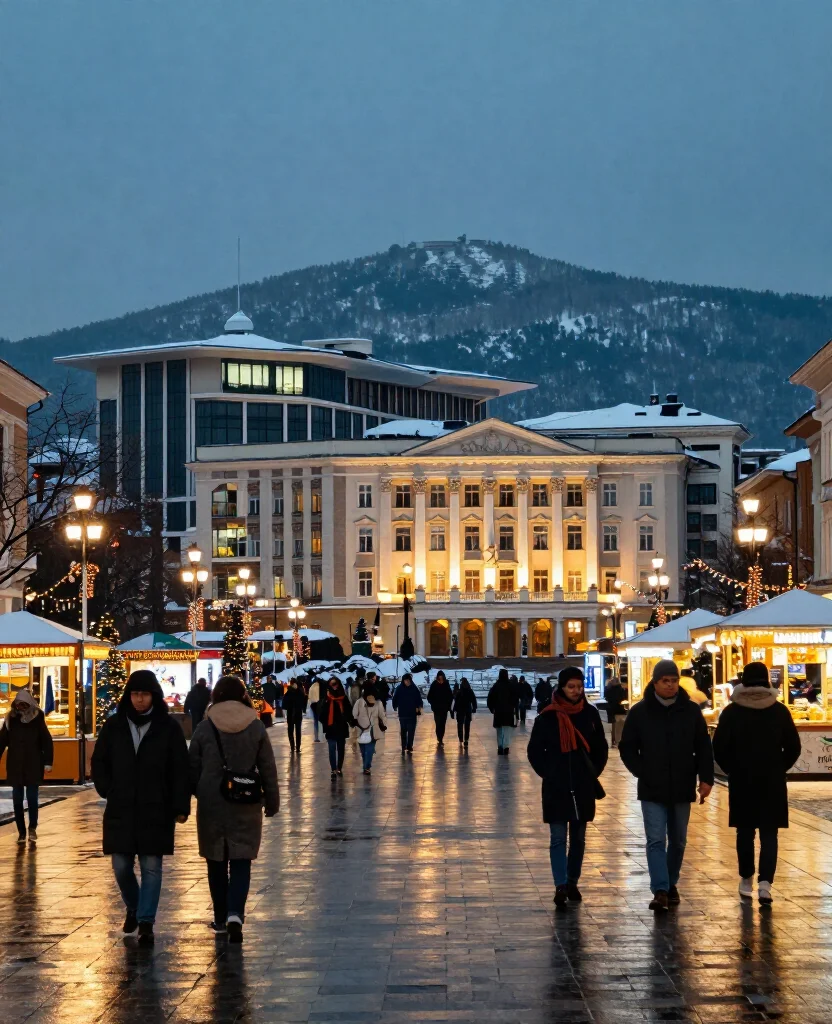
The National Palace of Culture, known locally as NDK, shows Sofia at its most modern and social.
Its broad concrete structure, open plaza, gardens, and nearby metro station become especially lively in December, when lights, concerts, exhibitions, and evening events fill the area.
Even without a ticket, the surrounding paths provide an easy starting point for exploring the city after dark.
From NDK, follow Vitosha Boulevard toward the center.
Bright shop windows, bakeries, cafés, and restaurants line the pedestrian street, while Vitosha Mountain may appear at the far end on clear evenings.
Stop for banitsa, Bulgarian dishes, cake, or a hot drink when the cold begins to settle.
Reserve a table on busy Friday and Saturday nights near the holidays.
Build your evening around these steps:
– Start at NDK in late afternoon for changing light
– Walk through the nearby gardens before sunset
– Continue along Vitosha Boulevard toward Serdika
– Use the metro station when weather or energy fades
Wet pavement and slush can become slippery, so walk carefully and choose shoes with good grip.
This route may lack the old-world mood of the cathedral square, yet it offers lively streets, simple transport, festive windows, and plenty of warm places to pause during winter sightseeing.
6. Ivan Vazov National Theatre and the City Garden
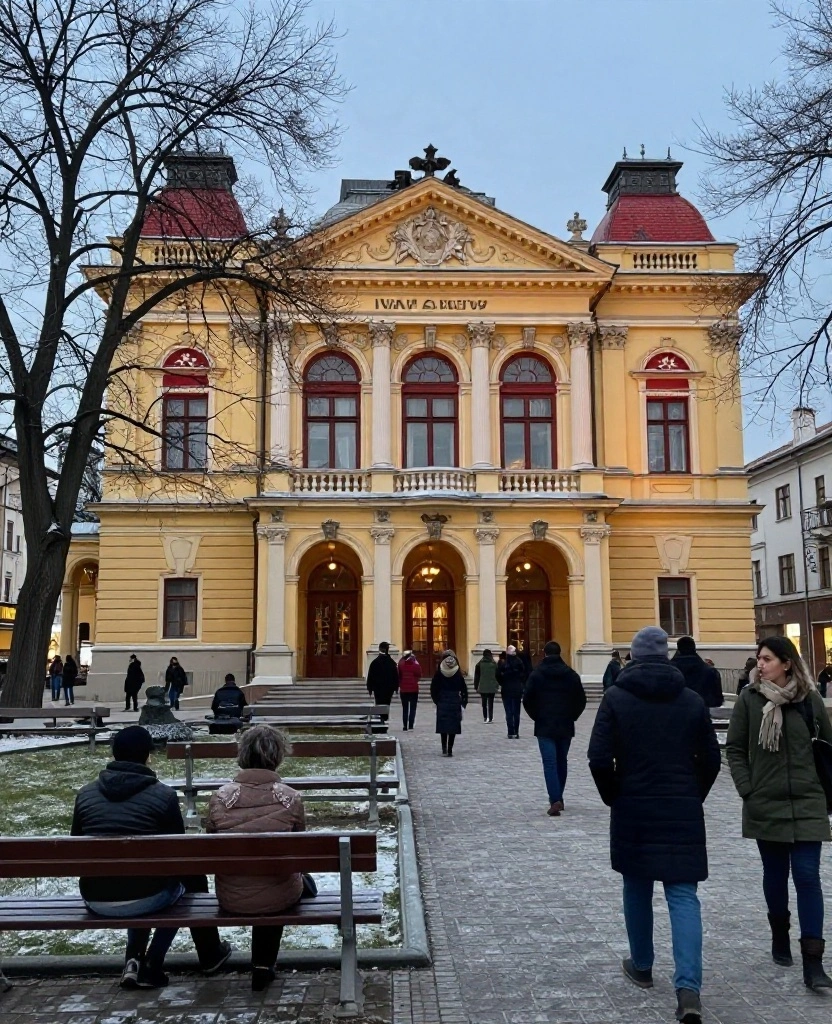
The Ivan Vazov National Theatre and City Garden create one of Sofia’s gentlest winter walks.
The theater’s pale yellow façade, red accents, columns, and sculpted details look elegant beside bare branches and frosty paths.
Benches, statues, and quiet garden corners give locals space to meet, sip coffee, or take a slow break from the city.
The whole area feels small enough to explore without rushing.
The theater hosts drama, comedy, ballet, and other performances, making an evening show a smart December choice when darkness arrives early.
Popular holiday productions may sell out, so check the program before your trip.
Even without tickets, the building and garden deserve a place between the National Art Gallery and Alexander Nevsky Cathedral.
Enjoy this calm stop in several ways:
– Visit by daylight for clear architectural details
– Return after dark for golden façade lighting
– Pair it with the National Art Gallery nearby
– Choose a slow garden walk instead of rushing through
Rain and melting snow can leave the paths muddy, so waterproof boots help.
A nearby café provides an easy warm-up, while photographers can capture bare trees, formal architecture, and glowing windows together.
This stop adds a softer local rhythm to a festive Sofia itinerary.
7. Central Mineral Baths: The Warmest Surprise in Sofia
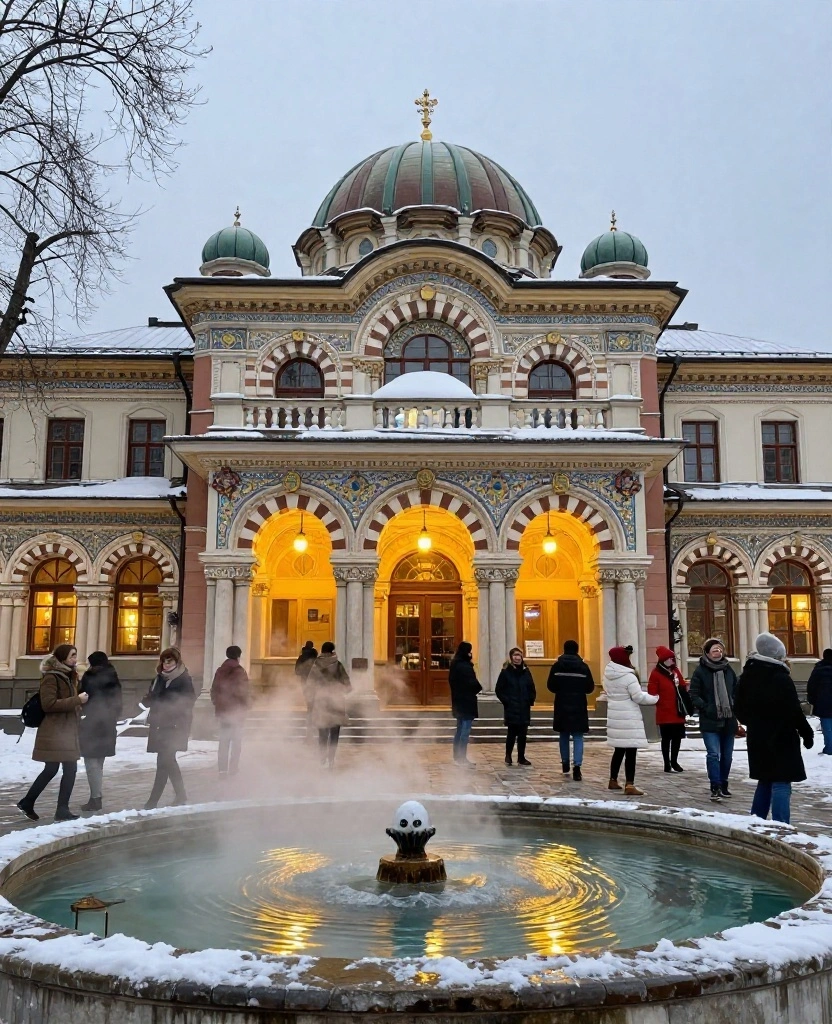
Central Mineral Baths can feel like a reward after a cold morning in Sofia.
Its striped arches, colorful ceramic details, and grand early twentieth-century design make the building one of the capital’s most recognizable sights.
The former bathhouse now contains the Regional History Museum, while nearby fountains reveal the city’s long connection with hot mineral springs.
The water is warm and mineral-rich, but the historic building is not a public spa, so plan for culture rather than bathing.
Inside, exhibits trace Sofia from ancient settlements and Roman Serdika to more recent city life.
Outside, the mosque, synagogue, cathedral, market, and government buildings show how different communities shaped the capital.
Check holiday opening hours, then allow time to admire the ceramic patterns before entering the museum.
Make the visit more comfortable with these tips:
– Check museum hours before visiting during holidays
– Drink only from a clearly marked public fountain
– Pair it with Serdika ruins and Central Market Hall
– Carry tissues or a small towel near splashing fountains
Steam rising from the fountains feels especially comforting in freezing weather.
This stop combines shelter, architecture, local tradition, and history in one compact area.
Give yourself more than a quick photograph, and you will discover one of Sofia’s most memorable winter details.
You might also like
8. Ancient Serdika and the Largo: Roman Sofia Beneath Your Feet
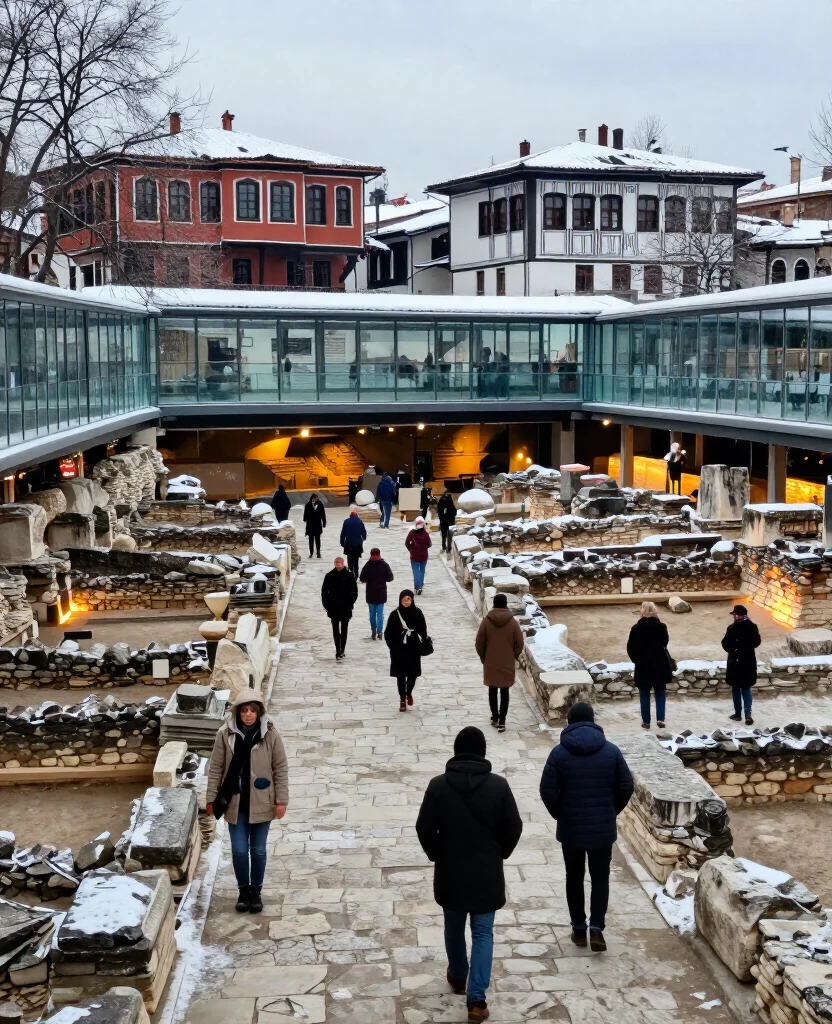
Ancient Serdika turns a normal walk through Sofia into a journey beneath the modern city.
Around the Largo, glass-covered sections reveal Roman streets, walls, homes, and public spaces beside metro entrances and government buildings.
The site shows how Sofia grew layer by layer, with ancient stonework sharing space with busy roads, shops, and commuters.
It is one of the city’s clearest examples of old and new existing side by side.
Covered areas are particularly useful in December because they offer protection from light snow, wind, and rain.
Follow the archaeological passage, then continue toward the Rotunda of St. George and nearby open remains.
Focus on road surfaces, room shapes, and small construction details rather than expecting one giant monument.
Good shoes matter because some areas may be damp.
Follow this easy central route:
– Begin near Serdika metro station for simple access
– Walk through the covered archaeological passage
– Continue to the Rotunda of St. George
– Pair the ruins with Central Mineral Baths nearby
Visit in daylight for the clearest archaeological details, then return after sunset to see the Largo’s illuminated buildings.
This area also works as a useful orientation point, with many major attractions within walking distance.
The ruins add depth to winter sightseeing and make Sofia feel far older than its modern streets suggest.
9. National Archaeological Museum for a Cold-Weather History Break
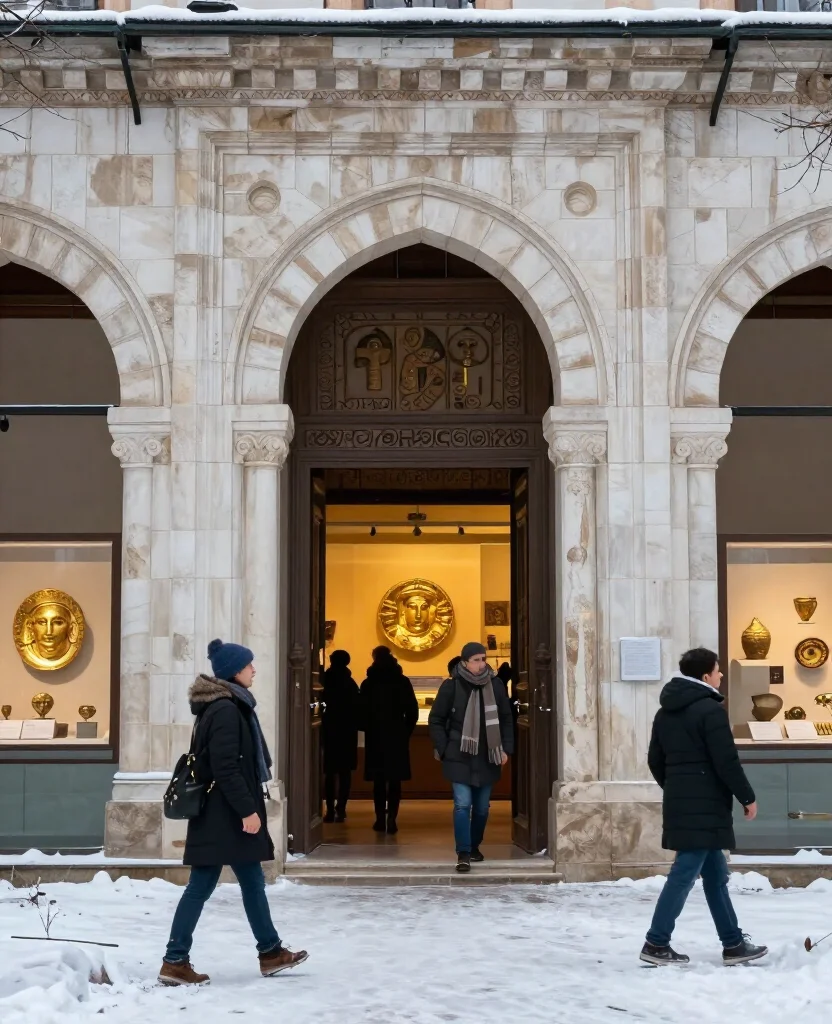
The National Archaeological Museum gives you a warm, thoughtful place to spend a snowy Sofia afternoon.
Housed in a former Ottoman mosque, the building feels historic before you even reach the galleries.
Displays cover prehistoric tools, Thracian gold, Roman objects, medieval religious art, and finds from many parts of Bulgaria.
Together, they explain the people, cultures, and daily lives behind the ruins and churches around the capital.
Look closely at the finely worked gold vessels and ornaments, then give attention to quieter objects such as coins, pottery, tools, and carved figures.
A focused visit may take ninety minutes, while serious history fans can stay much longer.
Check opening days around Christmas and New Year, since museum schedules may change.
Make your indoor history break count:
– Visit during the coldest afternoon hours
– Allow at least ninety minutes for key galleries
– Ask about photography rules before using your camera
– Pair it with St. Sofia Church and the Rotunda
The museum is quiet rather than flashy, which lets you study small objects without distraction.
Families can turn the visit into a search for a Roman coin, gold vessel, or carved figure.
It adds context to nearly every other Sofia landmark, making your Bulgaria itinerary feel connected instead of scattered.
10. National History Museum: Bulgaria’s Big Story in One Visit
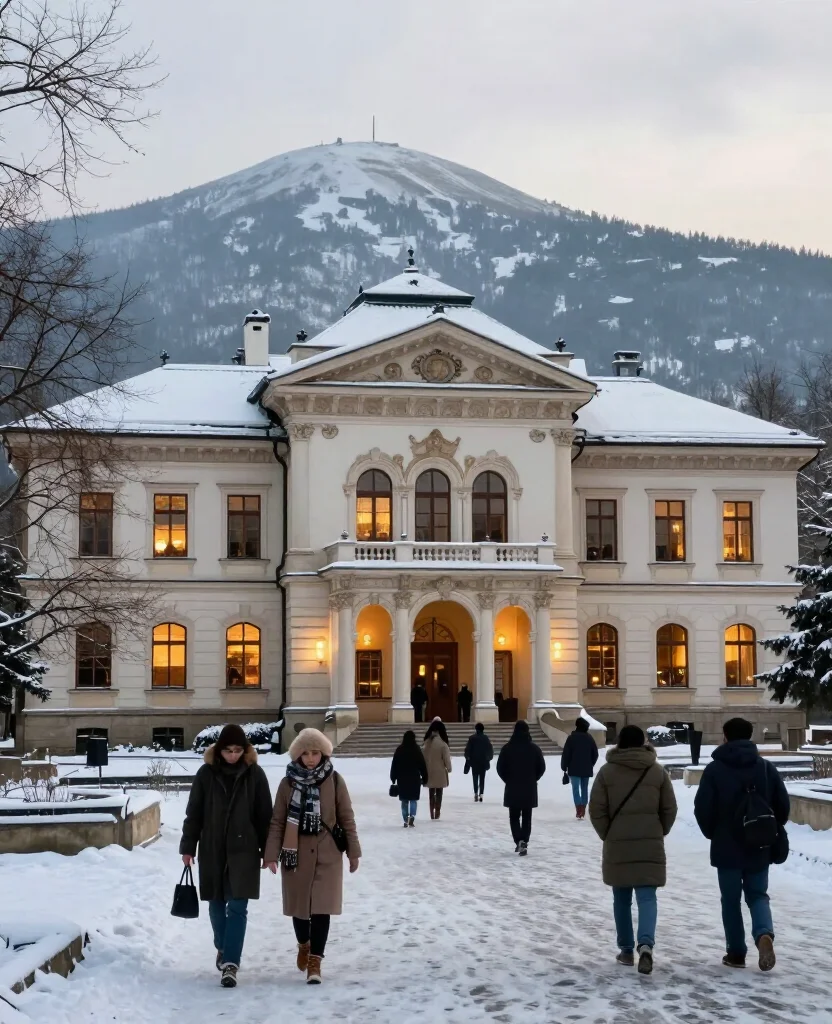
The National History Museum gives you Bulgaria’s broad story under one roof.
Located near Boyana at the foot of Vitosha, it occupies a former government residence with spacious rooms and quiet grounds.
Exhibits move from ancient cultures through medieval kingdoms, Ottoman-era life, and more recent history.
The setting feels removed from central Sofia, making the visit a useful half-day escape from busy streets and crowded squares.
Highlights include Thracian gold, medieval icons, royal objects, weapons, costumes, jewelry, and household items.
Some rooms may interest you more than others, so choose the periods that match your curiosity instead of trying to absorb every label.
English information appears in many galleries, though coverage can vary. Allow two or three hours for a relaxed visit.
Organize the outing with these details:
– Set aside two to three hours for major collections
– Combine it with Boyana Church when schedules match
– Check transport and opening hours before leaving
– Wear comfortable layers for varied indoor temperatures
December brings a peaceful atmosphere, with bare grounds and a mountain backdrop adding to the sense of place.
A focused visit is more enjoyable than rushing through every dynasty.
By the time you leave, separate landmarks across Sofia will connect into a clearer story of Bulgaria’s past.
11. Rotunda of St. George: A Tiny Church Surrounded by Empires
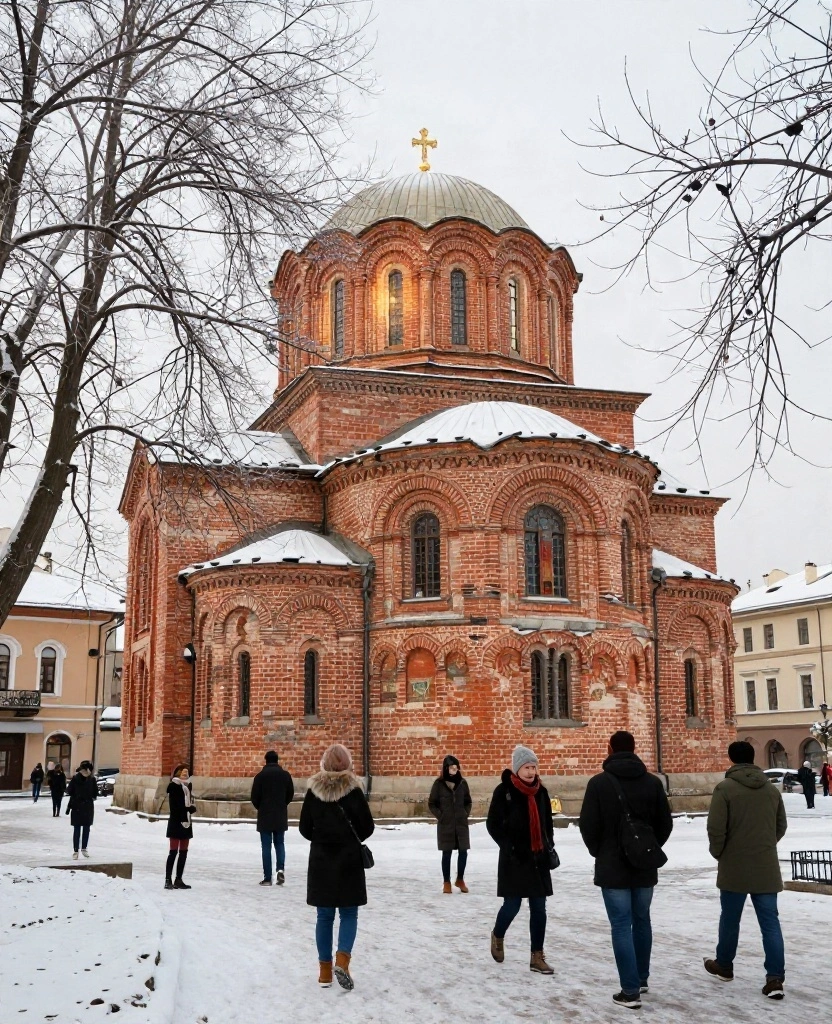
The Rotunda of St. George is easy to overlook, yet its small size makes the discovery feel special.
Built in the fourth century, the red-brick church is often considered Sofia’s oldest preserved building.
It stands inside a courtyard surrounded by government offices, modern streets, and Roman remains.
Bare branches and pale December light make the rounded walls, worn bricks, and quiet setting especially striking.
Inside, layers of medieval frescoes show how the building changed across centuries.
The space is compact, so lower your voice and follow rules about services and photography.
Give your eyes time to adjust, then notice the uneven walls, painted figures, and ancient brickwork.
Access can change during worship or restoration, so check before visiting.
Fit this surprise stop into a central walk:
– Start at the Serdika archaeological ruins
– Continue toward St. Sofia Church nearby
– Visit during daylight hours for courtyard details
– Bring a warm layer for the chilly stone setting
The rotunda shows Sofia’s past living beside ordinary modern life.
Office workers pass nearby while this ancient church remains tucked into its historic pocket.
A ten-minute visit can create more wonder than a much larger attraction, especially when your route already includes the Largo and Central Mineral Baths.
12. Central Market Hall and Sofia’s Comfort-Food Stops
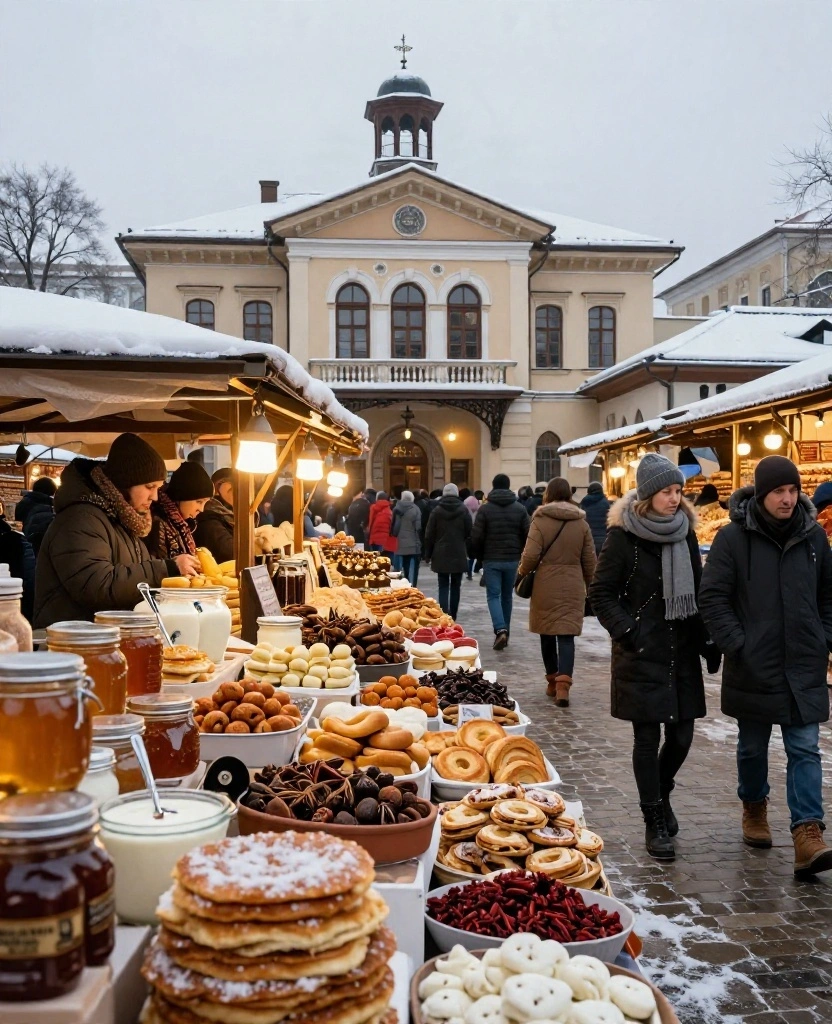
Central Market Hall gives your winter itinerary a warm, tasty pause between museums and old churches.
The historic building contains food counters, small shops, and local products, though the exact mix of vendors can change over time.
Its indoor setting is useful on wet or snowy days, while the busy stalls offer a glimpse of everyday Sofia beyond grand monuments.
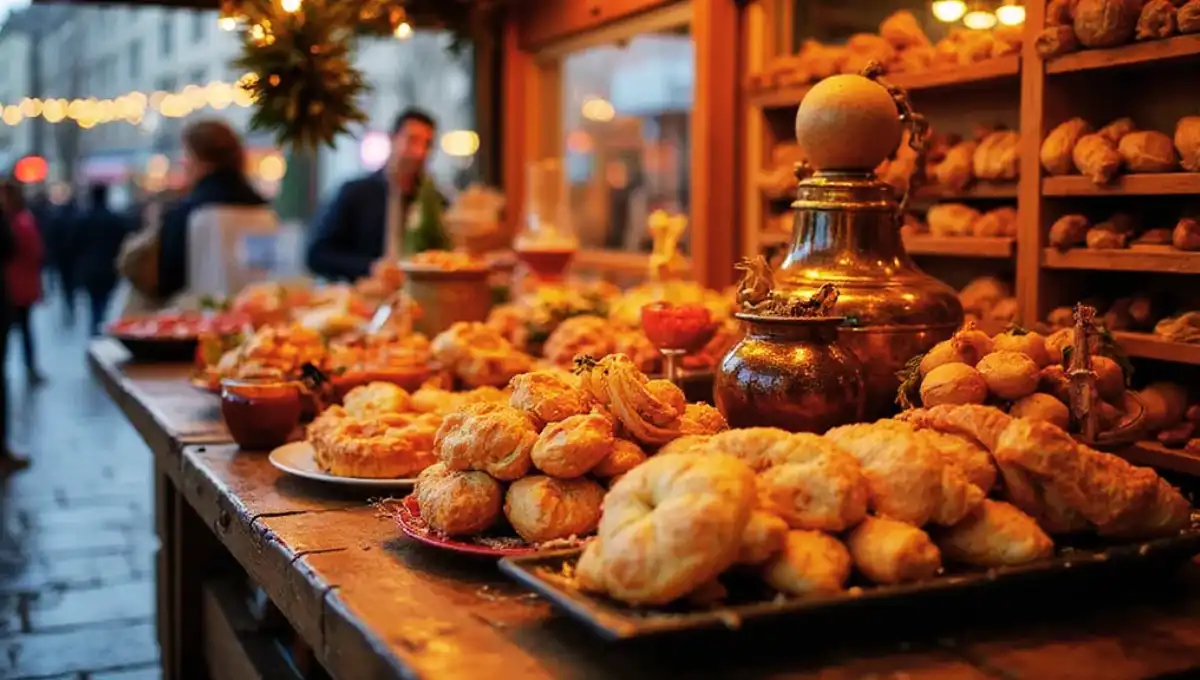
Start with banitsa, a flaky pastry filled with cheese and egg, then look for yogurt, cured meats, pickled vegetables, honey, spices, dried fruit, or local sweets.
Depending on the vendors, you may also find soup, grilled meat, stuffed peppers, and bean dishes.
Walk around before choosing, since prices, portions, and quality vary.
Keep dietary needs in mind and ask about ingredients when necessary.
Shop and eat more easily with these habits:
– Carry Bulgarian lev for small purchases
– Bring a reusable bag for edible souvenirs
– Visit early for calmer browsing and better choice
– Check holiday opening hours before traveling
Ask before photographing sellers or food displays, and keep a backup snack if you have allergies.
The market sits close to the Mineral Baths, Largo, Banya Bashi Mosque, and Serdika ruins, so adding it requires little extra travel.
One warm pastry can become a favorite memory of Sofia.
You Might Also Like

13. Borisova Gradina: A Frosty Green Pause in the Capital
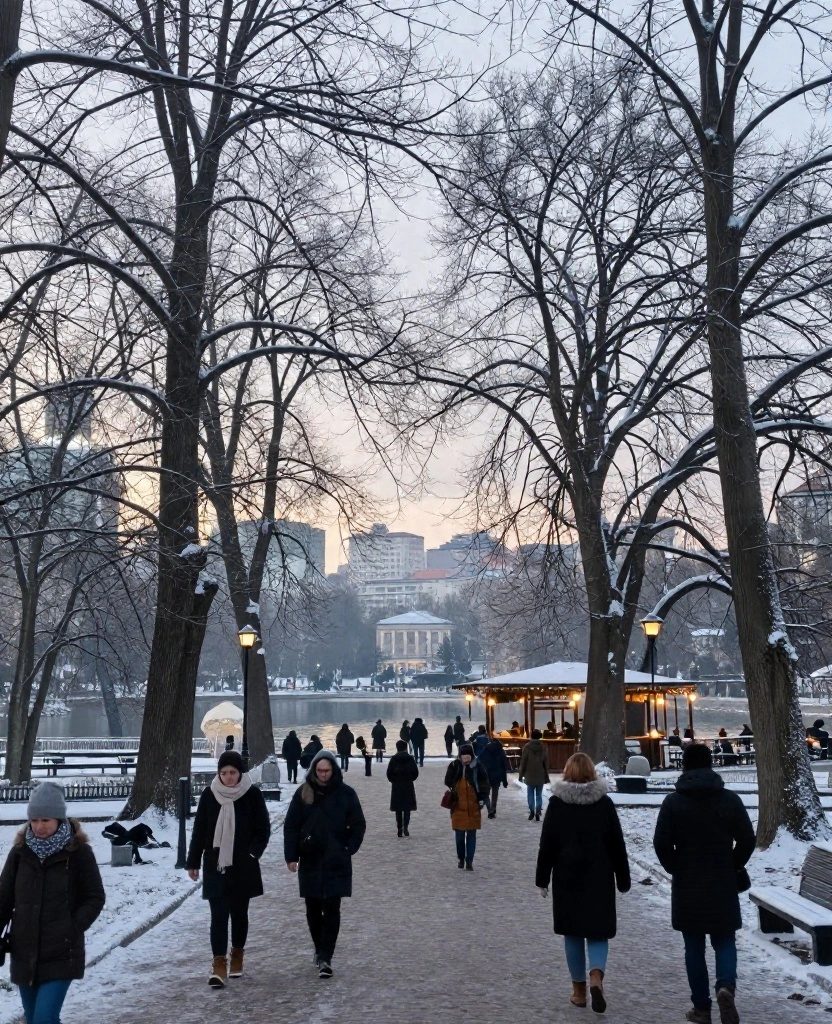
Borisova Gradina offers breathing room when Sofia’s stone streets and museums begin to feel busy.
The capital’s oldest and best-known park contains tree-lined paths, open lawns, ponds, monuments, sports areas, and quiet corners.
In December, bare branches reveal longer views, while frost or light snow can give the landscape a simple storybook mood.
You can enjoy the park without planning a demanding hike.
Locals use the park for jogging, dog walks, family outings, and relaxed meetings.
Start near Ariana Lake for an easy introduction, then choose a short loop based on the weather and your energy.
The park is larger than it first appears, so a map app helps.
Some paths may be dark after sunset, making daylight the better choice for a first visit.
Keep your winter walk comfortable:
– Wear waterproof shoes when snow begins melting
– Visit during daylight hours for clearer paths
– Bring a hot drink if you plan to linger
– Use a map app to avoid wandering too far
Do not expect elaborate holiday decorations throughout the park. Its appeal comes from open space, quiet trees, and a local rhythm that balances busy sightseeing.
A short walk can refresh you after a museum, while a bright afternoon may tempt you to stay longer.
Borisova Gradina gives your Bulgaria itinerary much-needed breathing room.
14. St. Sofia Church and the Ancient Necropolis
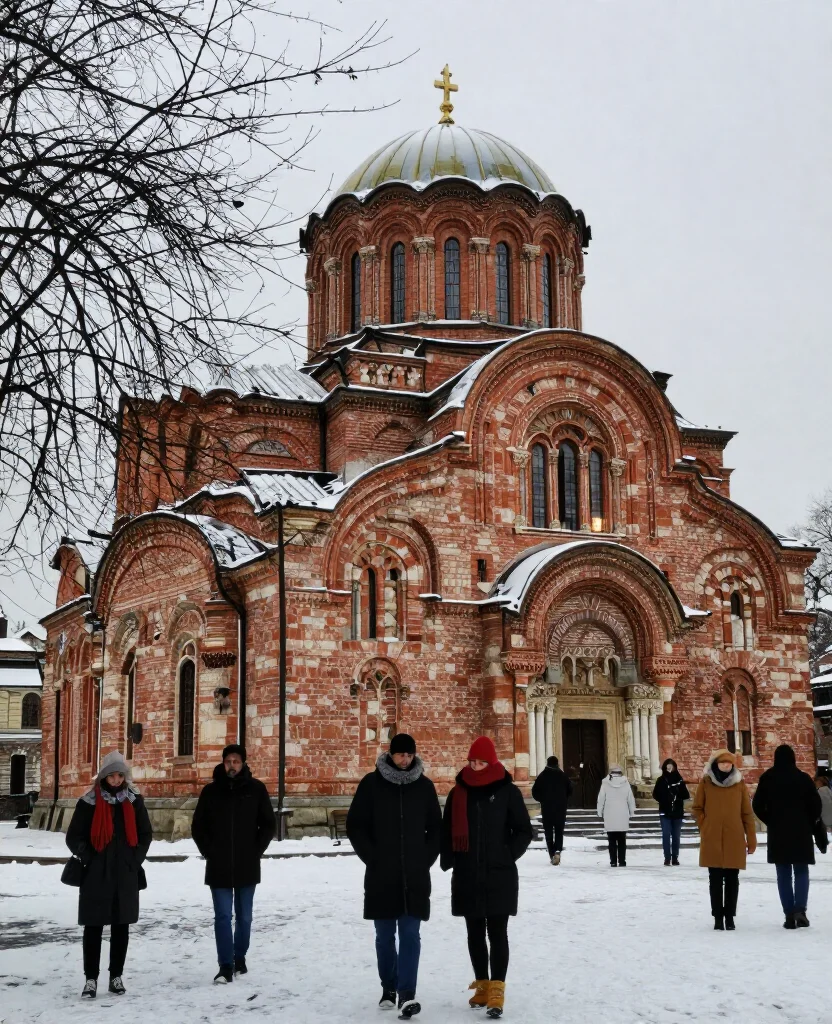
St. Sofia Church connects the capital’s name with centuries of faith, rebuilding, and daily life.
Its red-brick exterior feels plain and powerful beside the decorated domes of Alexander Nevsky Cathedral.
Beneath and around the church, an ancient necropolis contains tombs, fragments, and traces of earlier buildings.
The site makes it easy to see how many generations have occupied the same small piece of Sofia.
Inside, old brick arches, stone surfaces, and early Christian decoration create a close, quiet atmosphere.
Access to the underground remains may depend on opening hours, restoration work, or local conditions, so check before making them your only reason to visit.
Even when the full area is closed, the church and surrounding grounds remain worthwhile.
Dress warmly because stone interiors can feel colder than expected.
Make the most of this historic stop:
– Visit in daylight for warm brick tones
– Allow time for the underground necropolis if open
– Pair it with Alexander Nevsky Cathedral nearby
– Remain respectful during services or quiet prayer
Slow down and notice the building layers instead of rushing for photographs.
The surrounding square may feel busy during December events, while the church interior often feels removed from the noise.
For a history-focused Bulgaria itinerary, St. Sofia links Roman, Christian, medieval, and modern stories in one compact and meaningful place.
15. National Art Gallery and the Former Royal Palace
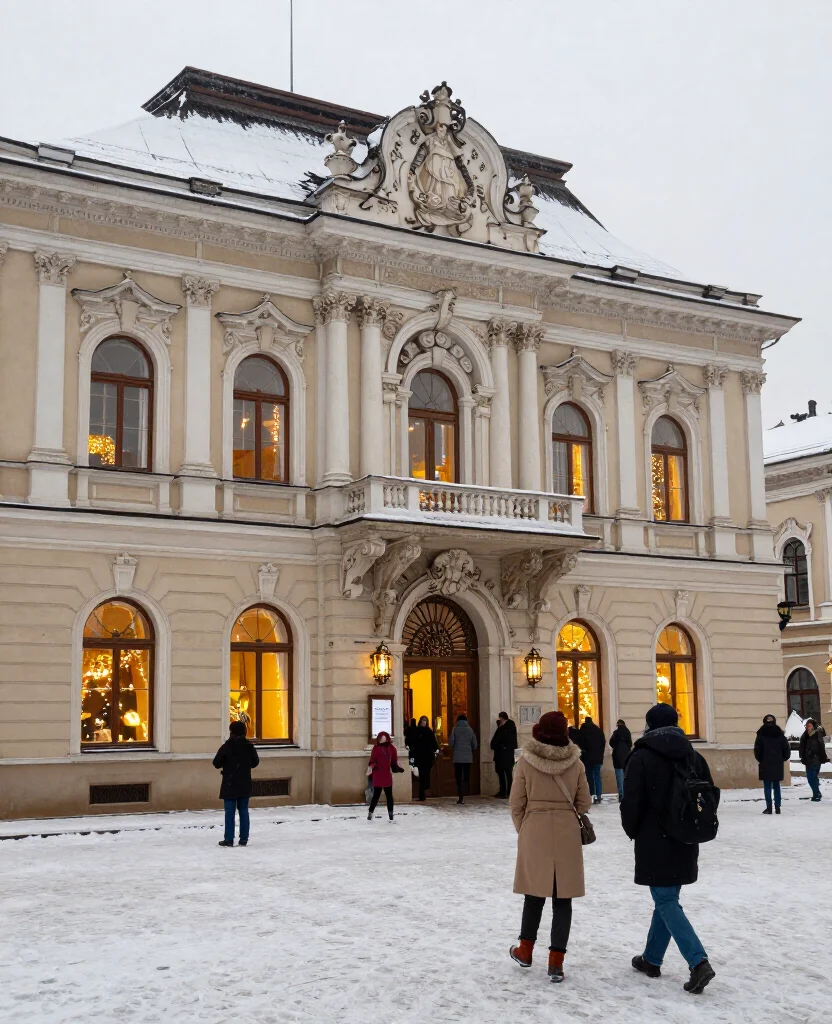
The National Art Gallery offers a calm, cultured finish to a winter day in Sofia.
Set inside the former royal palace near Alexander Nevsky Cathedral, it gives you art, architecture, and shelter in one elegant stop.
The collection includes Bulgarian paintings, sculpture, religious works, and pieces from different stages of the country’s artistic history.
Quiet galleries provide a welcome break from December crowds and bright market noise.
Look for changing views of village life, landscapes, religion, politics, and city growth.
Some rooms feel traditional, while others have a more modern character.
You do not need art training to enjoy the visit.
Choose several works that catch your eye, read the available notes, and let the rest pass without pressure.
An hour works for a focused visit, while art lovers may want longer.
Build the gallery into an easy central route:
– Begin with Alexander Nevsky Cathedral nearby
– Visit during the coldest afternoon hours
– Continue to City Garden and Ivan Vazov Theatre
– Check holiday hours and exhibitions before arriving
Ask about photography rules at the entrance, then warm up at a nearby café.
Travelers who rarely visit museums can keep the stop brief, while art fans can explore Bulgarian painters in greater depth.
The former royal setting adds quiet ceremony and gives your December trip a refined final note.
Conclusion: Let Sofia’s Winter Mood Set the Pace

The best Sofia attractions in December are not only grand landmarks; they are also warm markets, quiet churches, snowy mountain paths, Roman ruins, local food stops, and small moments between the big plans.
Build your days with a mix of indoor and outdoor places, then leave enough space for a slow café break or an unexpected turn down a historic street.
Sofia’s winter charm grows when you stop rushing, so pack warmly and let the city add its own little surprises to your Bulgaria itinerary.
Frequently Asked Questions
Q. Is Sofia worth visiting in December?
Yes. Festive lights, a snowy mountain backdrop, cozy cafés, and low prices make it a charming winter city with fewer crowds.
Q. What is the weather like in Sofia in December?
Usually around -4°C to 3°C (25°F to 37°F), with snow common. Dress in warm layers and waterproof boots.
Q. What are the best indoor attractions in Sofia in winter?
The National Historical Museum, the Alexander Nevsky crypt, Saint Sofia Church, the National Palace of Culture, and the Central Market Hall are great warm-up stops.
Q. How many days do I need in Sofia in December?
Two to three days covers the main sights and the Christmas market. Add a day for Rila Monastery or Mount Vitosha.
Q. Is Sofia safe for tourists in winter?
Generally yes, like most European capitals. Watch for icy pavements, keep an eye on your belongings in crowds, and check current travel advice before your trip.

10 Stylish San Francisco Outfits for August That Will Keep You Cool and Chic!
10 Must-Have San Francisco Outfits for June That’ll Make You the Envy of Every Tourist!

10 Must-Have Outfits for San Francisco in May That Will WOW the Locals!
