I stepped into Valletta on a mild December morning, and the honey-colored limestone glowed as if the whole city were lit from within.
No summer crowds, no scorching heat, just centuries of history and a soft sea breeze.
If you’re searching for historical places to visit in Valletta in December, I’ve got you.
These 17 sites took me through Knights, sieges, and empires, and winter turned out to be the perfect time to wander through them.
1. St. John’s Co-Cathedral: Valletta’s Baroque Masterpiece
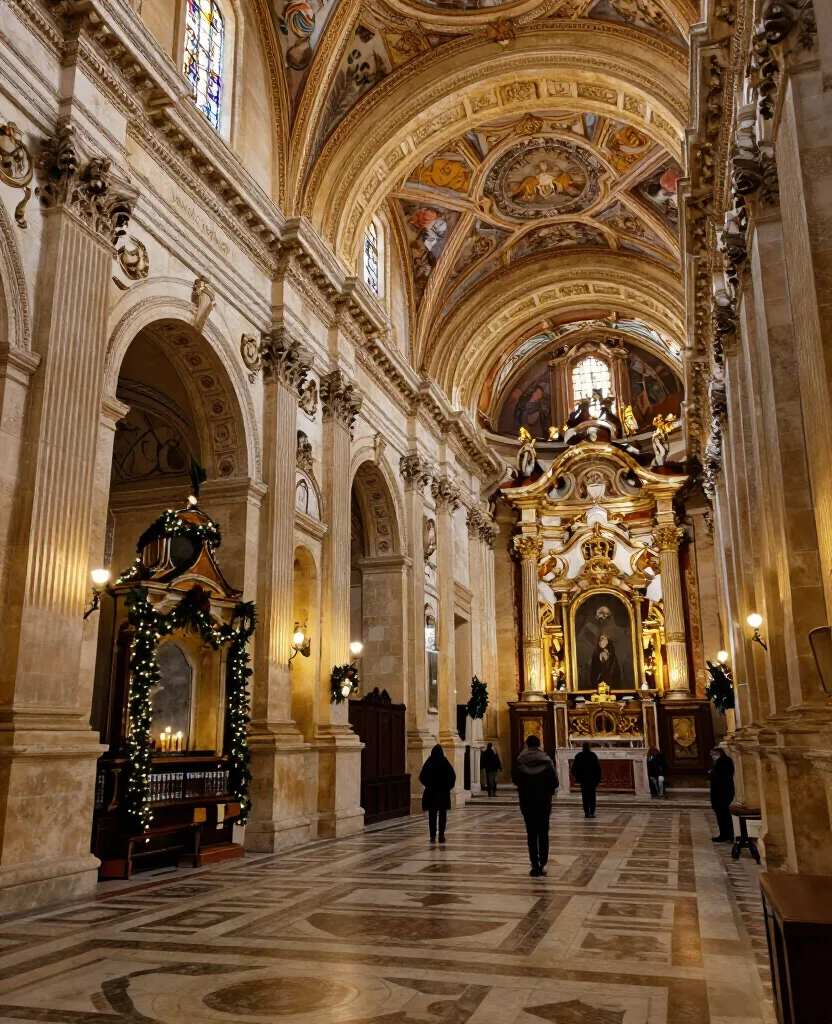
You can understand Valletta’s grand style in one unforgettable stop at St. John’s Co-Cathedral.
Its plain honey-colored exterior hides gilded stone, painted ceilings, carved chapels, patterned marble floors, and glowing artwork.
December brings cooler streets and often fewer visitors, giving you more time to study each detail without feeling rushed.
The contrast between the simple façade and lavish interior makes the first few steps inside especially striking.
The Order of St John built the cathedral, and each chapel reflects the wealth and identity of a different knightly group.
Look down at the marble memorial floor, then pause for Caravaggio’s The Beheading of Saint John the Baptist in the oratory.
Arrive near opening time, check holiday service schedules, and wear comfortable shoes.
A light shoulder covering may be useful, and photography rules can change.
Make your visit more rewarding with these simple choices:
– Allow 60 to 90 minutes for the cathedral and oratory
– Use the audio guide to understand symbols, patrons, and artwork
– Study the marble floor, side chapels, and painted ceiling slowly
– Pair the cathedral with Republic Street and the Archaeology Museum
St. John’s feels both ornate and alive, not like a silent monument.
In December, its warm interior offers a memorable change from Valletta’s cool limestone streets.
2. Upper Barrakka Gardens: Harbor Views with a Historic Edge
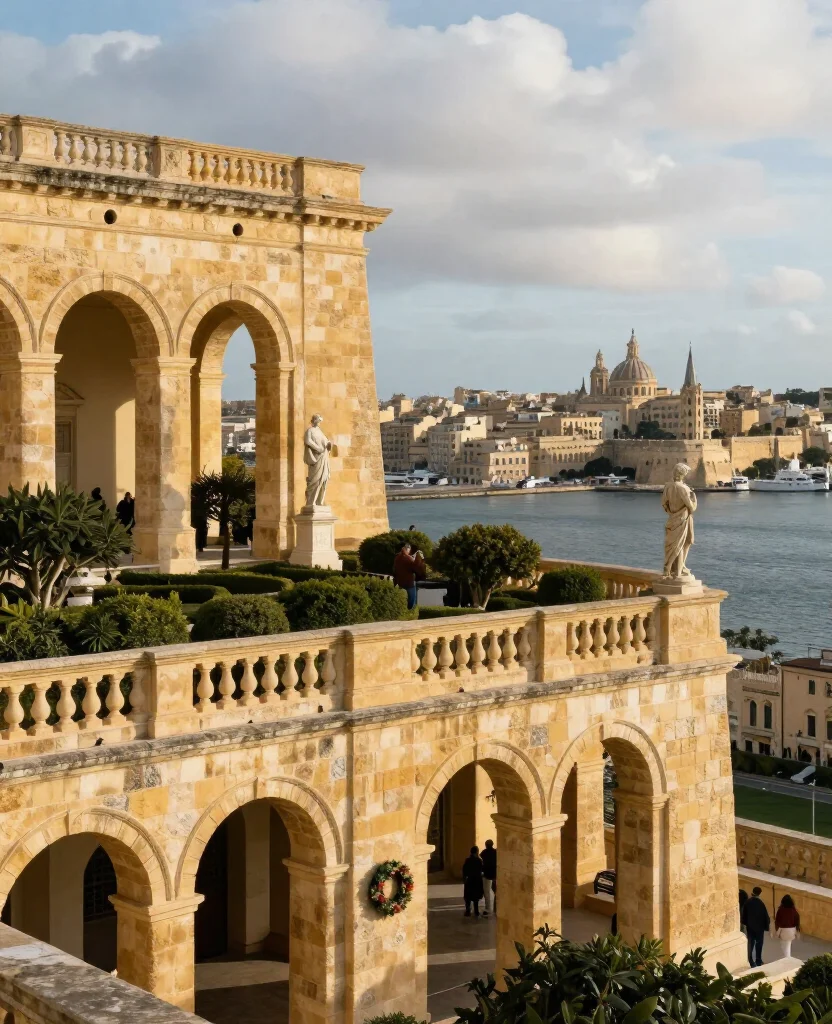
Upper Barrakka Gardens gives you one of Valletta’s finest harbor views without taking you far from the city center.
Stone arches, clipped plants, statues, benches, and a long terrace frame the Grand Harbour and the Three Cities beyond it.
December’s lower sunlight can turn the limestone golden, while passing clouds add movement to the blue water.
It is an easy place to pause between museums, churches, and busy shopping streets.
The gardens began as a private retreat for Italian knights before opening to the public.
Their arches reveal how Valletta combined beauty with defense, while the bastion walls show the city’s careful military planning.
Visit near the traditional firing time to connect the gardens with the Saluting Battery below, but check the current schedule because holiday hours can change.
A warm layer helps when wind crosses the terrace.
Use these ideas to enjoy the viewpoint fully:
– Visit late afternoon for softer winter light across the harbor
– Take the glass lift down when you want to avoid steep stairs
– Look toward Fort St Angelo and the old waterfront warehouses
– Explore side paths for quieter views away from the central terrace
Upper Barrakka works as a first stop, a photo location, or a calm reset.
Its mix of greenery, military stone, and open water gives Valletta a strong sense of place.
Also Read: What to Wear in Valletta in December?
3. The Grand Master’s Palace: Power Behind the Façade
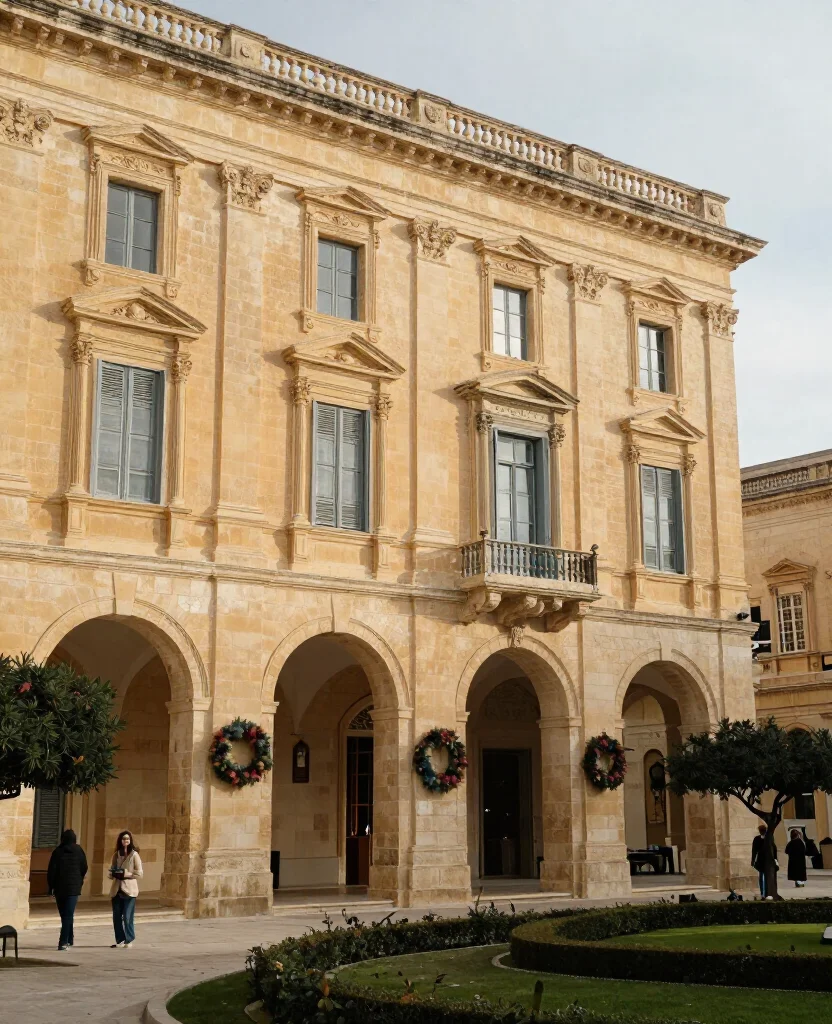
The Grand Master’s Palace places you inside the political heart of Valletta.
Its long limestone façade looks formal and restrained, while the interior may reveal painted halls, state rooms, armor, furniture, courtyards, and grand staircases.
Built for the leaders of the Order of St John, the palace later served changing rulers and Malta’s modern government.
That layered history makes it feel like a living record rather than a building frozen in one century.
Spend time in the courtyard, where arcades, mature trees, and fountains create a quieter mood beside busy Republic Street.
Inside, notice both the grand decoration and the practical spaces that supported daily work.
December events, government functions, or restoration may limit access to certain rooms, so check official information before visiting.
Allow extra time if the armory forms part of your route.
Plan a smoother palace visit with these tips:
– Check open rooms before setting out for the day
– Allow about an hour, or longer with the armory
– Keep flexible plans around Christmas and government events
– Follow photography rules in decorated rooms and collections
The palace rewards visitors who look beyond its impressive façade.
On a cool December afternoon, it offers shelter, history, and a close look at how Valletta’s power was organized.
4. The National Archaeology Museum: Malta’s Story in Small Details
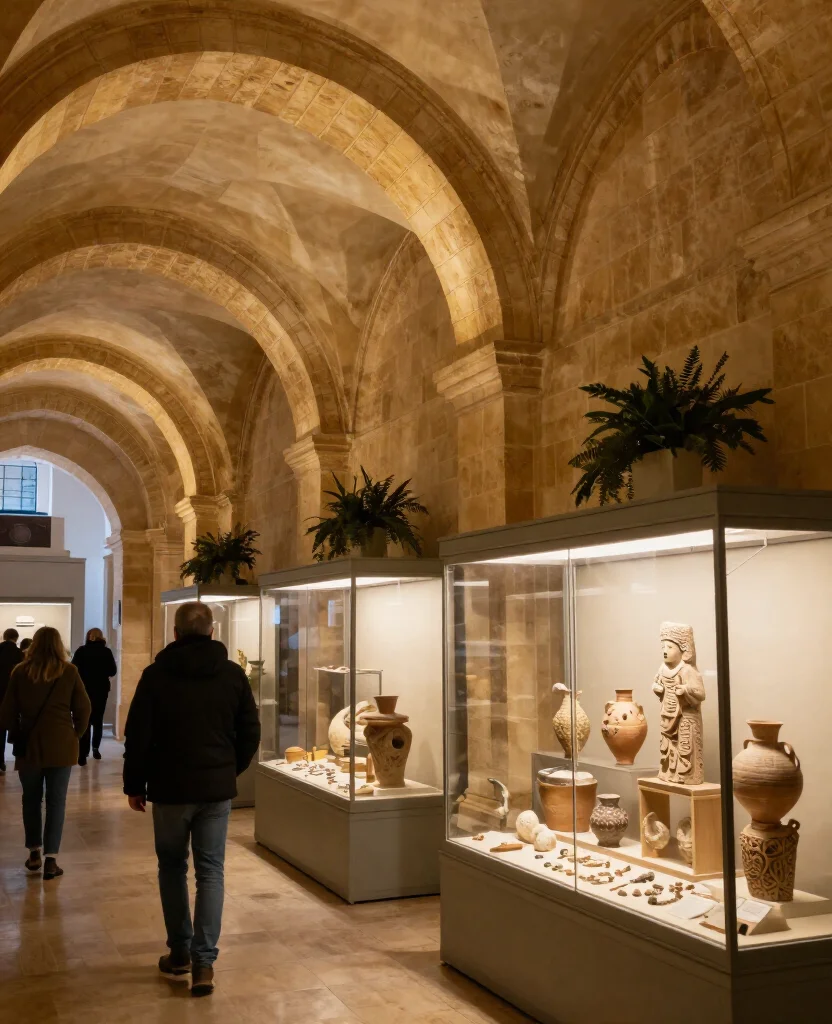
The National Archaeology Museum helps you understand Malta before the knights, Baroque churches, and fortified streets.
Housed in the historic Auberge de Provence, it holds objects from prehistoric temples, homes, graves, and later settlements.
The collection connects the ancient island to the landmarks you will see elsewhere in Valletta.
December is a comfortable time to explore its warm galleries while taking a break from cooler streets or light rain.
The Sleeping Lady attracts attention, but smaller pieces often tell the clearest stories.
Study carved stone figures, pottery, tools, jewelry, and household objects that reveal how people worked, worshipped, traveled, and remembered their dead.
Start with the prehistoric galleries and focus on daily life instead of trying to memorize every date.
Temporary displays or altered access may affect the route, so ask staff about current arrangements.
Make the museum easier to enjoy with these practical steps:
– Allow 60 to 90 minutes for the main collection
– Begin with prehistoric objects before exploring later periods
– Read short labels that explain ordinary life and ancient rituals
– Walk afterward to St. John’s for a dramatic change in style
The museum gives Valletta a much longer timeline.
Its small objects make Malta’s distant past feel close, personal, and surprisingly easy to imagine.
5. The Saluting Battery: Valletta’s Most Dramatic Harbor Moment
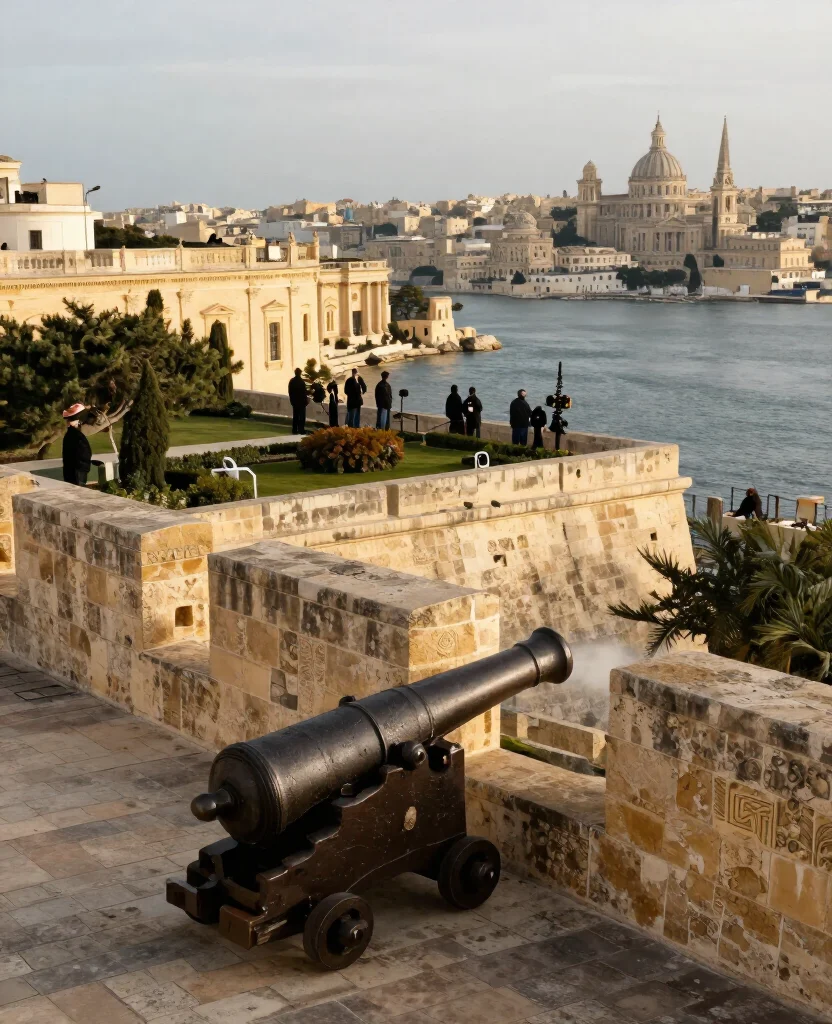
The Saluting Battery deserves its place as Valletta’s most dramatic historic stop.
Set below Upper Barrakka Gardens, it combines restored cannons, high bastion walls, wide harbor views, and a daily ceremonial firing.
When the gun sounds across the Grand Harbour, the city’s military past suddenly feels present.
December light adds a beautiful touch, warming the limestone while the Three Cities stretch across the water.
The battery once helped defend the harbor and signal ships entering Malta.
Today, staff present the firing as a carefully managed tradition, with explanations about cannon use, naval movement, and soldiers’ daily work.
Arrive early, check the official schedule, and remember that the sound can be very loud.
Holiday arrangements may change the usual timing, so avoid planning your entire day around an unconfirmed event.
Get more from this memorable visit:
– Pair the battery with Upper Barrakka Gardens above it
– Stand where you can see both cannon and harbor
– Bring a jacket for the open, breezy bastion
– Keep children close and follow staff directions
– Stay afterward to enjoy the view after the firing
The experience works because several elements meet at once: ceremony, old defenses, open water, and winter sunlight.
It feels carefully preserved, yet still active enough to surprise you.
6. Fort St Elmo and the National War Museum: A Strong Point by the Sea
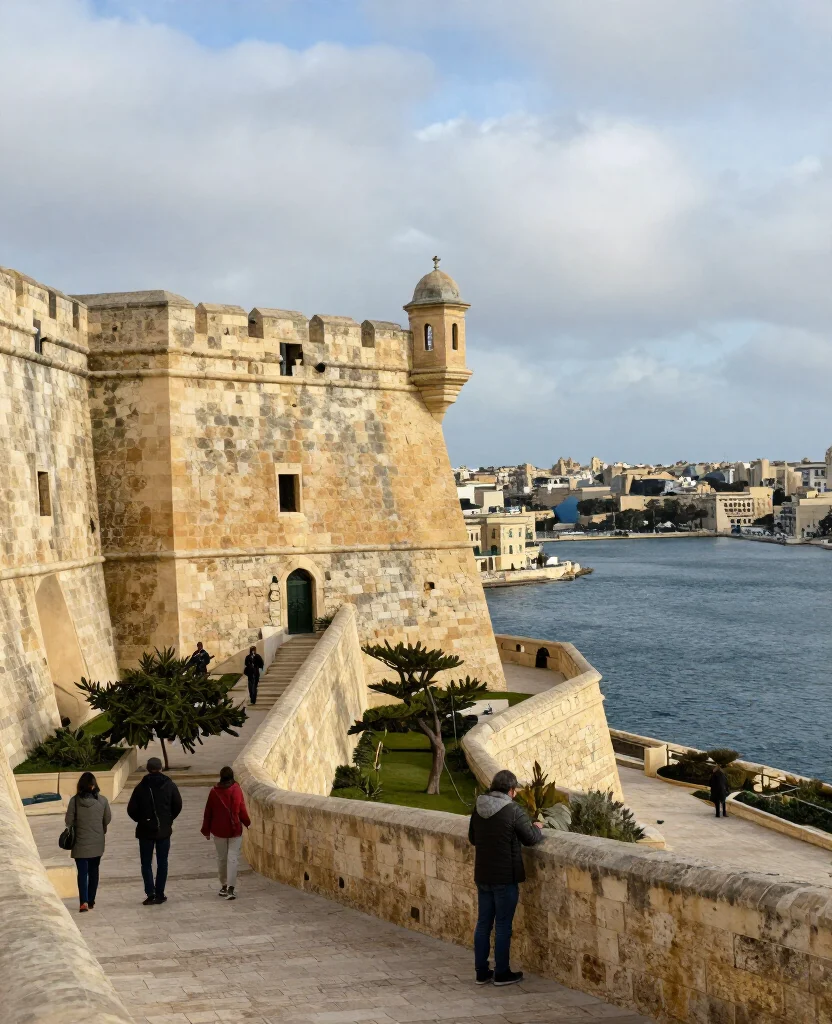
Fort St Elmo stands at the tip of Valletta, between the Grand Harbour and Marsamxett Harbour.
Its angular walls, broad courtyards, and sea-facing position make the fort’s defensive purpose easy to understand.
Inside, the National War Museum adds uniforms, weapons, medals, vehicles, and personal objects to the stone setting.
Together, the fort and collection show how Malta’s military history affected real people.
This is not a polished palace, and its rough character is part of the appeal.
Uneven paths, thick walls, exposed viewpoints, and wide open spaces reveal the practical demands of defense.
Read the personal stories beside the large displays, then climb toward the ramparts for views of ships and harbor entrances.
December weather is often comfortable, though strong wind at the tip makes a warm layer useful.
Prepare for the fort with these useful choices:
– Wear sturdy shoes for stone steps and uneven surfaces
– Allow at least 90 minutes for galleries and viewpoints
– Read personal accounts alongside weapons and uniforms
– Visit early for quieter rooms and clearer harbor views
Fort St Elmo offers a stern contrast to Valletta’s gilded churches and formal gardens.
Its sea air, military design, and weathered limestone make history feel direct and physical.
7. MUŻA at the Auberge d’Italie: Art Inside a Knightly Residence
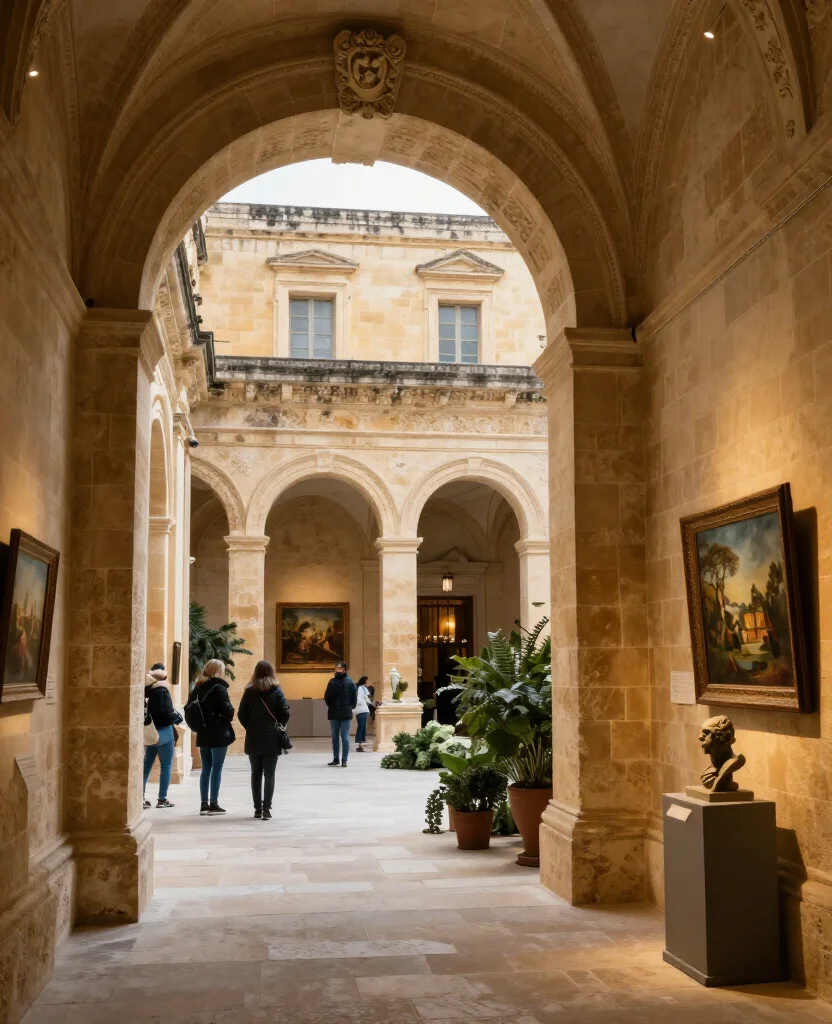
MUŻA gives you art, architecture, and a warm December escape inside the historic Auberge d’Italie.
The building once housed the Italian langue of the Order of St John, so old corridors, courtyards, and limestone walls surround the collection.
Paintings, sculpture, furniture, and decorative objects cover several periods, offering a softer view of Valletta than its forts and military museums.
Look for Maltese approaches to portraits, faith, landscapes, light, and everyday island life.
Some rooms feel grand and formal, while others invite closer attention to local stories and small details.
The modern display style creates an interesting contrast with the historic building.
Choose a few rooms to explore carefully rather than rushing through every gallery, and ask about December exhibitions or family activities.
Use these simple ideas during your visit:
– Notice how modern displays fit within old stone rooms
– Choose favorite works instead of chasing every artist
– Ask staff about seasonal events and temporary exhibitions
– Rest in the courtyard when the galleries feel busy
– Pair MUŻA with Auberge de Castille and nearby churches
Allow 60 to 90 minutes, then continue through Valletta on foot.
MUŻA feels approachable because it connects respected artwork with local places, colors, and human stories.
8. Lower Barrakka Gardens: A Quieter Bastion Walk
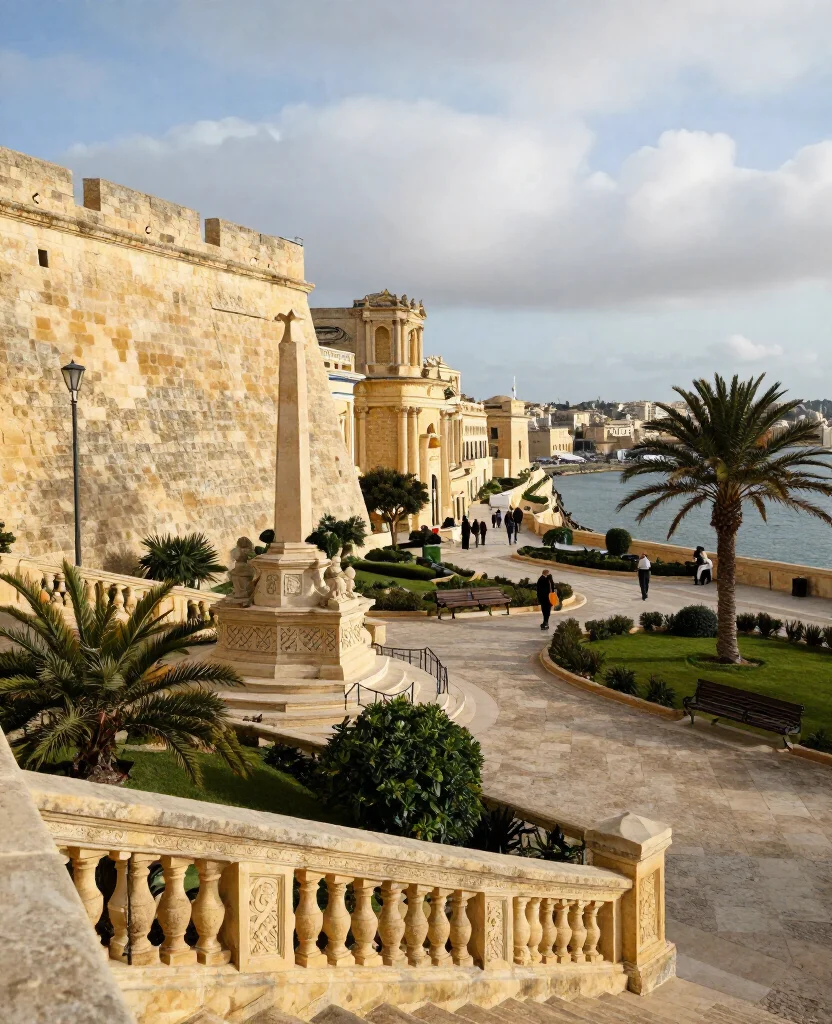
Lower Barrakka Gardens offers a calmer harbor experience than its famous upper neighbor.
Set on St. Christopher Bastion, it includes stone paths, palms, benches, a neoclassical temple, and a terrace facing the Grand Harbour entrance.
December greenery looks fresh against the pale limestone, while the lower sun creates soft color across the walls.
It is an easy place to rest when larger attractions begin to feel crowded.
The garden’s formal design reflects Malta’s military and naval history, yet the atmosphere feels relaxed.
People sit on benches, watch boats pass, or talk quietly beside the bastion edge.
Nearby Fort St Elmo, the Siege Bell Memorial, and the waterfront make it simple to add this stop to a walking loop.
Some routes include slopes and steps, so comfortable shoes remain useful.
Notice these details during a slower visit:
– Compare the smooth temple with rough bastion stone
– Visit afternoon for gentler light across the harbor
– Use a bench for a quiet ten-minute break
– Keep pathways clear and avoid climbing historic walls
– Pair the garden with the Siege Bell Memorial
Lower Barrakka does not need a packed schedule.
Give yourself time to hear the harbor, feel the breeze, and see how plants soften Valletta’s strong defensive lines.
9. Lascaris War Rooms: Hidden History Beneath the Streets
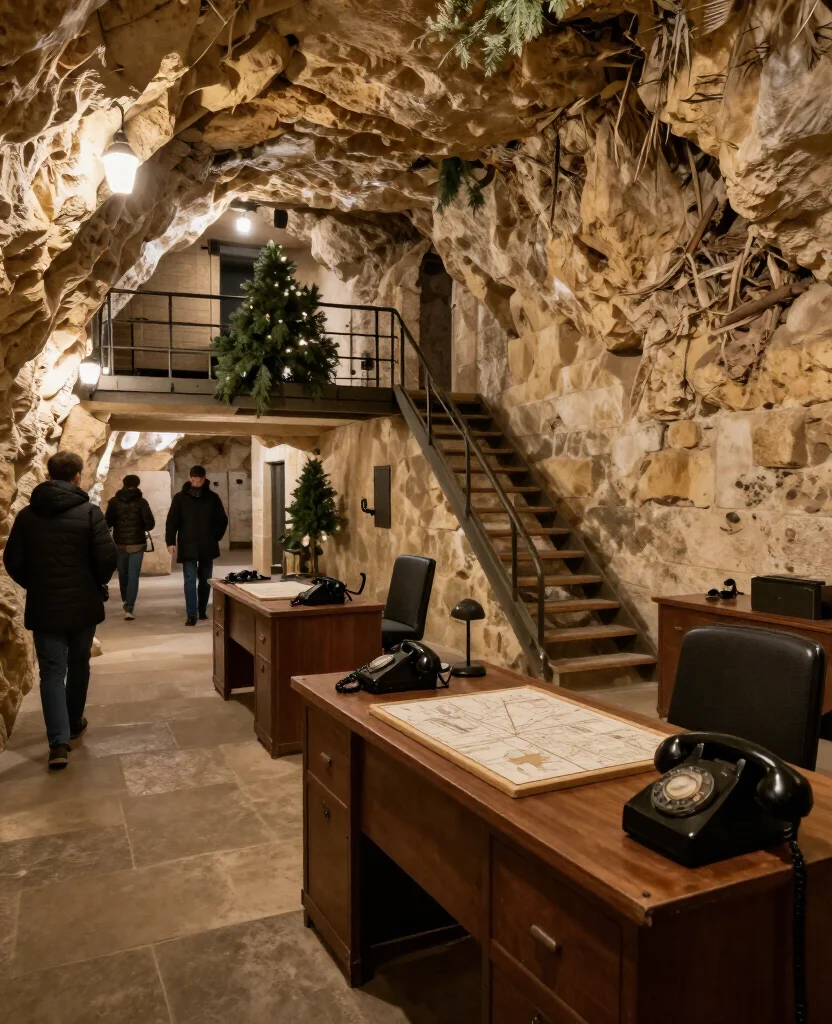
The Lascaris War Rooms take you beneath Valletta’s bright streets and into a hidden wartime headquarters.
Carved from rock below Upper Barrakka Gardens, the complex helped Allied officers coordinate operations across the Mediterranean.
Narrow corridors, maps, telephones, workstations, and plain rooms create a sharp contrast with the city’s gilded churches above.
The setting feels quiet, practical, and intensely focused.
The attraction is powerful because it shows work rather than ceremony.
Staff tracked ships, sent messages, planned movements, and made serious decisions under pressure.
Reconstructed rooms explain how the command center operated, while the tunnels reveal the effort required to create a secure underground workplace.
Check timed access before arriving, and ask about mobility details because steps and narrow passages may form part of the route.
Prepare for the underground visit with these tips:
– Check opening hours and tour times before traveling
– Wear shoes with good grip for stone surfaces
– Allow about an hour for galleries and tunnels
– Ask where photography is allowed inside
– Pair the rooms with Upper Barrakka Gardens above
The Lascaris War Rooms add tension to Valletta’s beautiful history.
After seeing the hidden command center, the sunny streets above feel brighter, but also more complicated.
Lascaris War Rooms: Hidden History Beneath the …
Editor’s Choice




10. Casa Rocca Piccola: A Living Valletta Townhouse
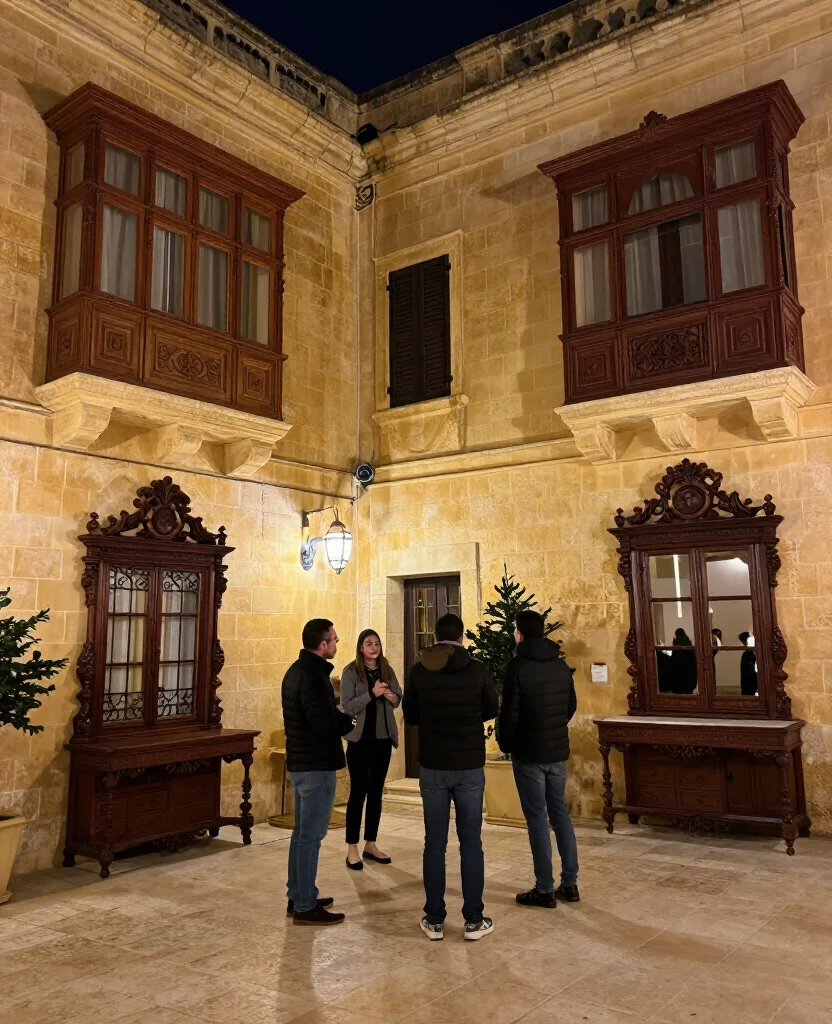
Casa Rocca Piccola lets you see Valletta through the rooms of a private family home.
This historic townhouse has belonged to a Maltese noble family for generations, and guided visits reveal furniture, paintings, portraits, tiled floors, courtyards, and everyday objects.
The house shows how residents lived inside the city’s compact streets and grand military plan.
It feels personal in a way that large palaces often do not.
A tour may include decorated rooms, a chapel, a courtyard, and limestone shelters beneath the house.
Formal rooms reveal taste and social life, while the underground areas show how residents adapted during wartime.
Notice door handles, painted ceilings, narrow passages, and clever storage spaces.
December greenery or small seasonal decorations can make the house feel welcoming, though guided schedules may be limited, so confirm times first.
Keep these points in mind before visiting:
– Confirm guided tour times before walking to the house
– Allow about an hour for rooms and shelters
– Expect stairs and uneven floors along parts of the route
– Ask guides about details not shown on room labels
– Pair the townhouse with the Palace or Lower Barrakka
Casa Rocca Piccola gives Valletta a human scale.
Behind the limestone façade, you discover family routines, service spaces, wartime shelters, and the quiet details of domestic life.
11. St. Paul’s Pro-Cathedral: A Different Valletta Skyline
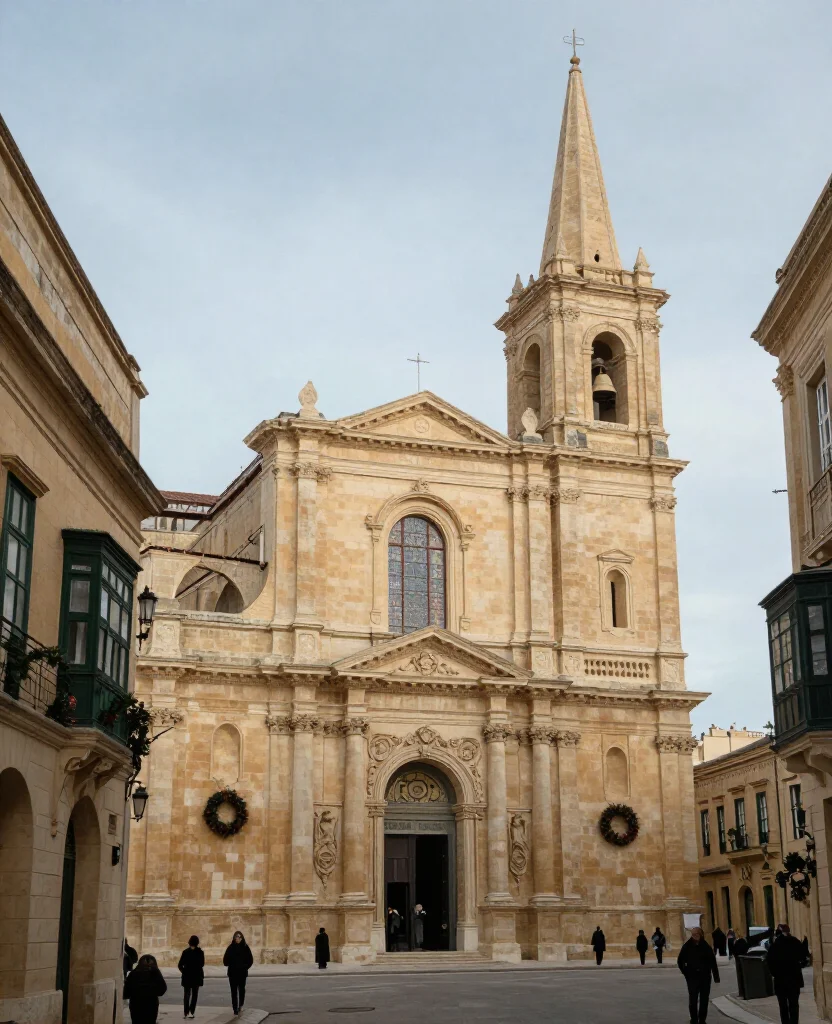
St. Paul’s Pro-Cathedral stands out through its tall spire, which rises above Valletta’s rooftops and helps shape the city skyline.
Built during the nineteenth-century British period, it offers a clear contrast with the earlier Baroque churches nearby.
Pale limestone, a timber roof, stained glass, memorials, and quiet interior spaces create a calm setting for understanding another chapter of Malta’s history.
The cathedral served the Anglican community and reflects the island’s changing political connections.
Its design is more restrained than St. John’s Co-Cathedral, yet the stone columns, woodwork, and colored light have their own warmth.
Check December service times before arriving, especially around Christmas, and remember that this remains an active place of worship.
A respectful visit often takes only 20 to 30 minutes.
Make the stop more meaningful with these ideas:
– View the spire outside before entering the cathedral
– Check services and avoid interrupting worship
– Compare the simple exterior with detailed interior features
– Walk afterward toward historic Strait Street
– Pair it with the nearby Carmelite Church
St. Paul’s Pro-Cathedral shows that Valletta’s story continued long after the knights.
Its later architecture, British connections, and peaceful mood add useful variety to a December history walk.
12. Church of Our Lady of Victory: Valletta’s First Church
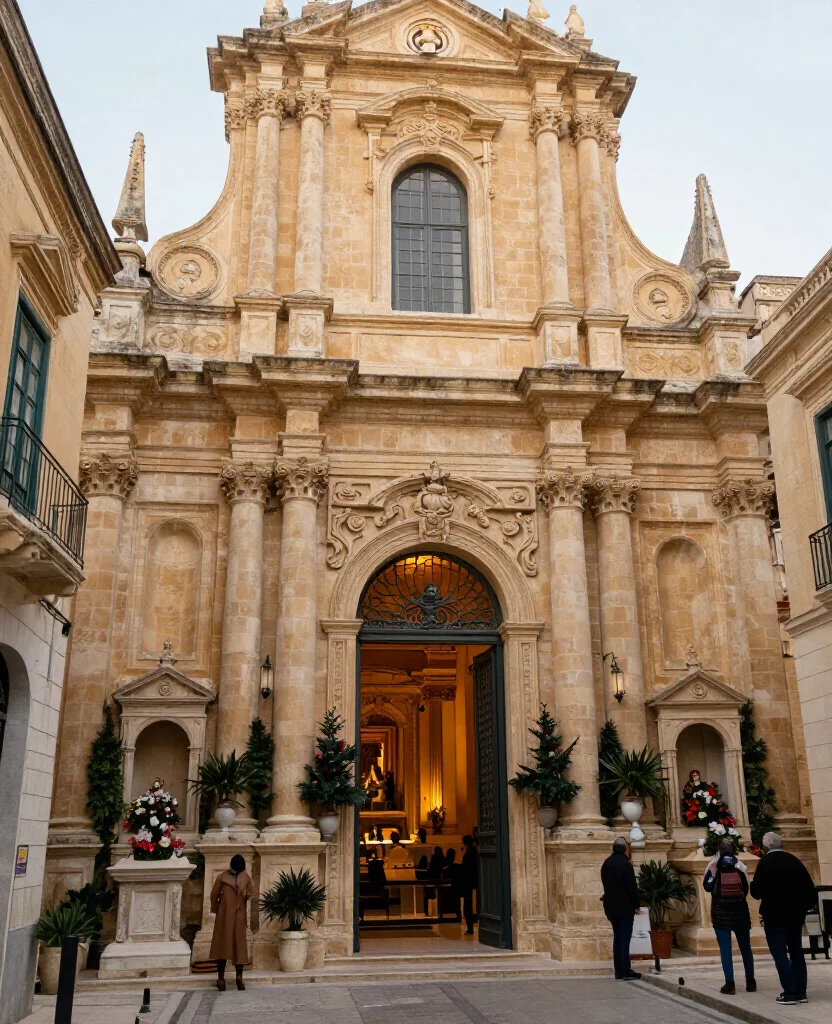
The Church of Our Lady of Victory holds a special place in Valletta because it was the first church built in the new city after the Great Siege.
Its position near the entrance connects it with the earliest years of streets, walls, and religious buildings taking shape together.
Inside, a compact space opens into richly decorated Baroque chapels, painted surfaces, carved stone, and a strong sense of age.
The church honors the Order of St John’s victory, linking its story to the event that shaped Malta’s future.
Look beyond the main altar for small details in the side chapels, doorway, and stonework.
December flowers or modest seasonal decorations may appear near the altar, but remember that the church remains an active place of worship.
Opening hours can be shorter during Christmas services, so morning visits are often safest.
Use these practical tips when planning your stop:
– Check local opening times during the Christmas period
– Dress respectfully and keep voices low inside
– Allow 20 to 30 minutes for a focused visit
– Study the doorway and carved stone before entering
– Read about the Great Siege before arriving
The church is not Valletta’s largest, yet its role is enormous.
Its early foundation and intimate scale help you imagine how the capital first began.
13. Auberge de Castille: A Landmark Above the City
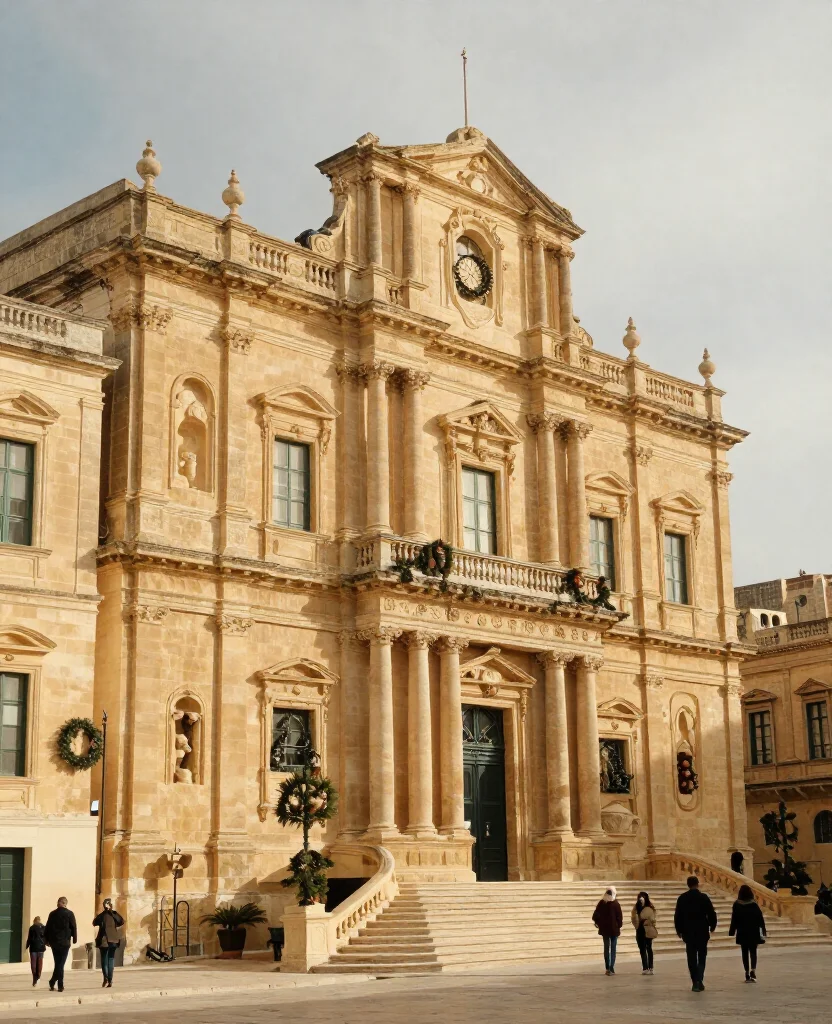
Auberge de Castille commands attention from its raised position near Valletta’s entrance.
Its broad Baroque façade includes heavy limestone carving, columns, balconies, and a grand staircase that announces power before visitors enter the city.
The building now houses Malta’s prime minister’s office, so interior access is limited, but the exterior offers plenty to study.
Early December light can shift the stone from pale cream to rich honey.
The auberge once housed the knights of the Langue of Castile, León, and Portugal, one of the Order’s most influential groups.
Its high setting gave the building both authority and views toward the harbor.
Stand close to inspect carved details, then step back into the square to understand how the full façade was meant to impress.
Stay in public areas and do not expect regular interior tours.
See this landmark from several useful angles:
– Begin in the open square for a full façade view
– Return closer to study balconies and carved limestone
– Pair it with Our Lady of Victory and the Archaeology Museum
– Keep entrances clear and respect restricted areas
– Compare the grand auberge with nearby homes
Auberge de Castille can be a brief stop with lasting impact. Its size, height, and decoration show how architecture communicated status throughout Valletta.
Auberge de Castille: A Landmark Above the City
Editor’s Choice


14. Hastings Gardens: A Green View from the City Walls
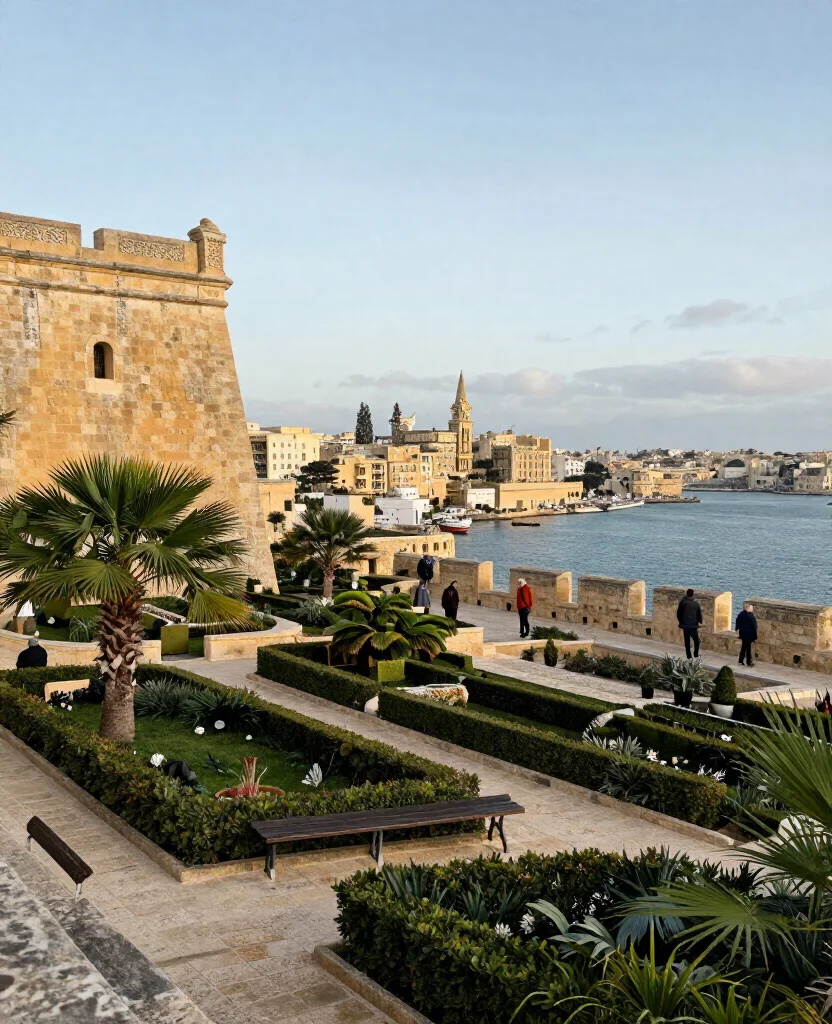
Hastings Gardens gives you greenery, fresh air, and broad views from Valletta’s western walls.
Paths wind through palms, flowers, benches, and stone edges above the old bastions.
Across the open side, you can see Marsamxett Harbour, Floriana, and the surrounding city.
December is often comfortable for this walk, and autumn rain may leave the plants looking especially fresh against the pale limestone.
The gardens connect nineteenth-century British history with the older fortress landscape.
Their greatest appeal is the way plants soften the dense, defensive city.
Look down toward the walls to understand their height and thickness, then across the harbor to see how Valletta’s peninsula fits into the wider setting.
Some paths are uneven, and the climb from City Gate may require more effort than expected, so carry water and wear good shoes.
Enjoy the garden with these simple choices:
– Visit morning for clear views across Marsamxett Harbour
– Return near sunset for warm light on limestone
– Study bastion height and thickness from above
– Bring water for slopes and longer walking routes
– Pair it with City Gate and St. Paul’s Cathedral
Hastings Gardens proves that Valletta’s walls are more than monuments.
They also offer space for daily walks, quiet breaks, and beautiful views over the city.
Hastings Gardens: A Green View from the City Walls
Editor’s Choice


15. The Siege Bell Memorial: A Quiet Place of Remembrance
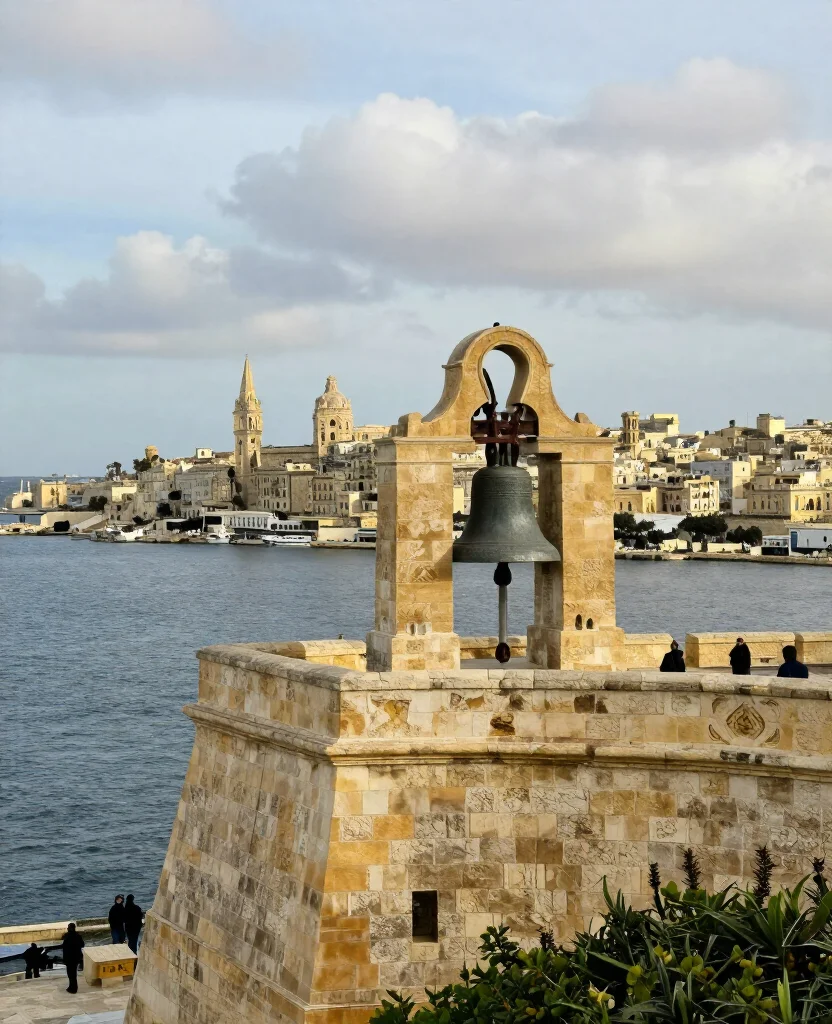
The Siege Bell Memorial stands above the Grand Harbour and offers one of Valletta’s most moving views.
Its large bell remembers people who died during the Second World War siege of Malta.
The site feels quieter than the city’s churches and busy squares, inviting you to pause, read, and take in the sea without rushing.
The Three Cities and bastion walls provide a powerful setting for remembrance.
The location connects the memorial with Malta’s military story.
Nearby Lower Barrakka Gardens and the old defensive edge make it easy to include in a walking route.
December’s softer light suits the calm atmosphere, especially in the morning or near sunset.
Keep pathways clear, speak quietly, and avoid climbing on the monument or treating it as a casual photo prop.
Ceremonies or wreath-laying events may affect access.
Approach this memorial thoughtfully:
– Allow 15 to 20 quiet minutes at the site
– Read about the wartime siege before visiting
– Combine it with Lower Barrakka and the waterfront
– Choose morning for clear views across the harbor
– Remain respectful during ceremonies and commemorations
The Siege Bell adds emotional depth to Valletta’s beautiful architecture.
It reminds you that the city’s identity was shaped by courage, sacrifice, loss, and endurance.
The Siege Bell Memorial: A Quiet Place of Remem…
Editor’s Choice


16. Manoel Theatre: An Elegant Stage with a Long Story
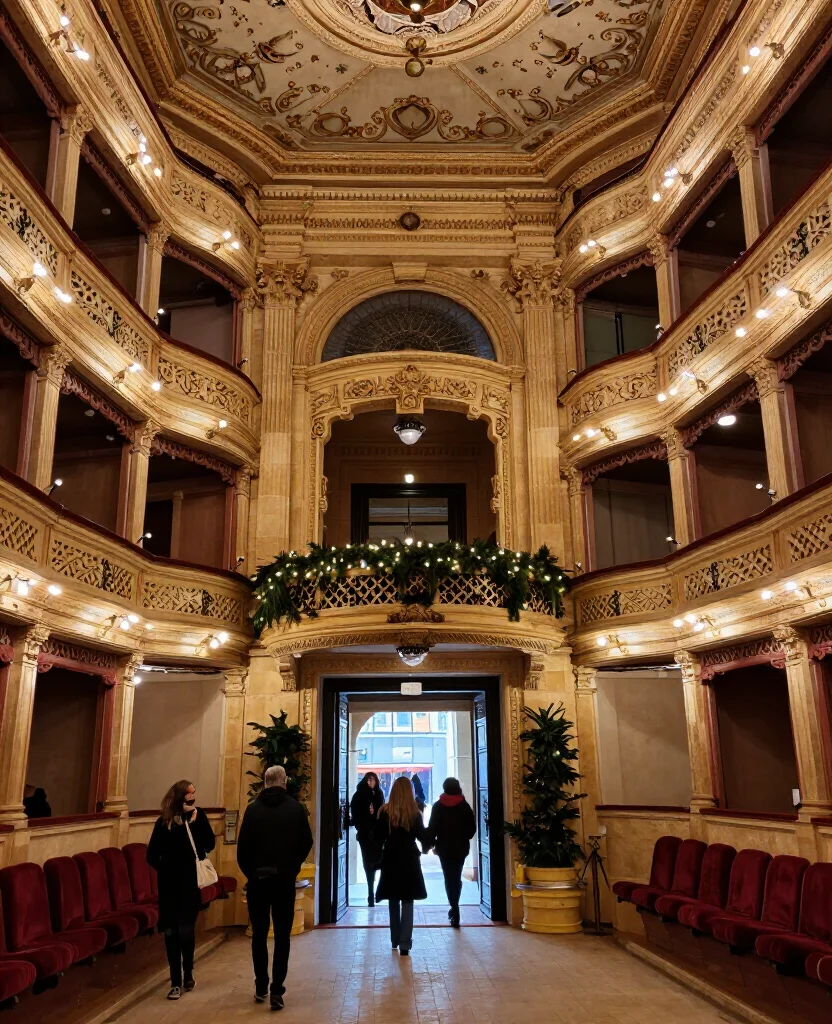
Manoel Theatre brings music, performance, and old-world character to your Valletta itinerary.
Built in the eighteenth century, it remains one of Europe’s oldest working theatres.
The entrance is modest beside the city’s giant churches, but inside you find carved balconies, painted details, velvet seats, and a close auditorium where the stage feels remarkably near.
The building is historic, yet it still works as a lively cultural venue.
The Order of St John created the theatre to provide respectable entertainment for residents and visitors.
It survived changes in government, taste, and technology while keeping its intimate design.
December may bring concerts, plays, and seasonal programs, so check the official schedule early.
If your dates do not match a performance, a daytime tour still lets you study the foyer, painted ceiling, boxes, and decorative woodwork.
Plan your theatre experience with these tips:
– Book early when popular December performances are scheduled
– Check tour availability for your chosen date
– Dress neatly for evening events without overdoing formality
– Arrive early to explore the foyer before the curtain
– Follow photography rules inside the auditorium
Manoel Theatre shows that Valletta’s heritage is not only preserved for viewing.
It continues through music, drama, shared evenings, and the sound of an audience gathering.
Manoel Theatre: An Elegant Stage with a Long Story
Editor’s Choice


17. Mediterranean Conference Centre: From Hospital to Cultural Landmark
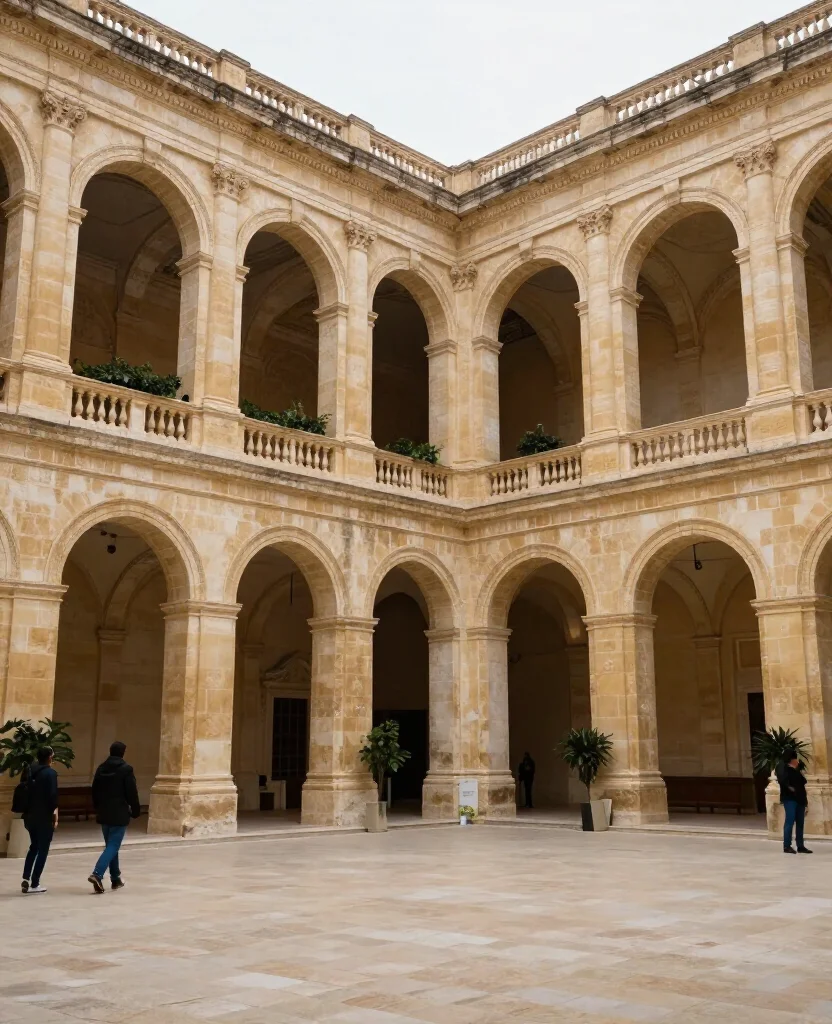
The Mediterranean Conference Centre occupies the former Sacra Infermeria, the vast hospital built by the Order of St John.
Its long wards, thick limestone walls, high ceilings, stairways, and arched openings reveal the scale of care provided in historic Valletta.
The building now hosts conferences, exhibitions, and performances, yet its hospital design remains clear as you move through the halls.
December events can add energy, while quiet hours make the architecture easier to study.
The hospital cared for knights and other patients with systems for food, cleanliness, treatment, and organization that were advanced for its time.
The enormous ward is the main highlight, but also notice narrow service spaces, windows, stone floors, and the connection between practical rooms and grand public areas.
Check event schedules before visiting because access may cover only selected sections.
Sturdy, comfortable shoes help with long corridors and steps.
Plan this final stop with care:
– Check exhibitions, performances, and visitor access beforehand
– Allow 45 to 90 minutes for the building
– Compare the giant ward with smaller service spaces
– Ask staff about accessible routes and lift access
– Pair it with the Siege Bell and Lower Barrakka
The former hospital closes your Valletta journey with a wider view of history.
The city was built for defense and ceremony, but also for care, skill, and organized community life.
Conclusion: Let December Set the Pace
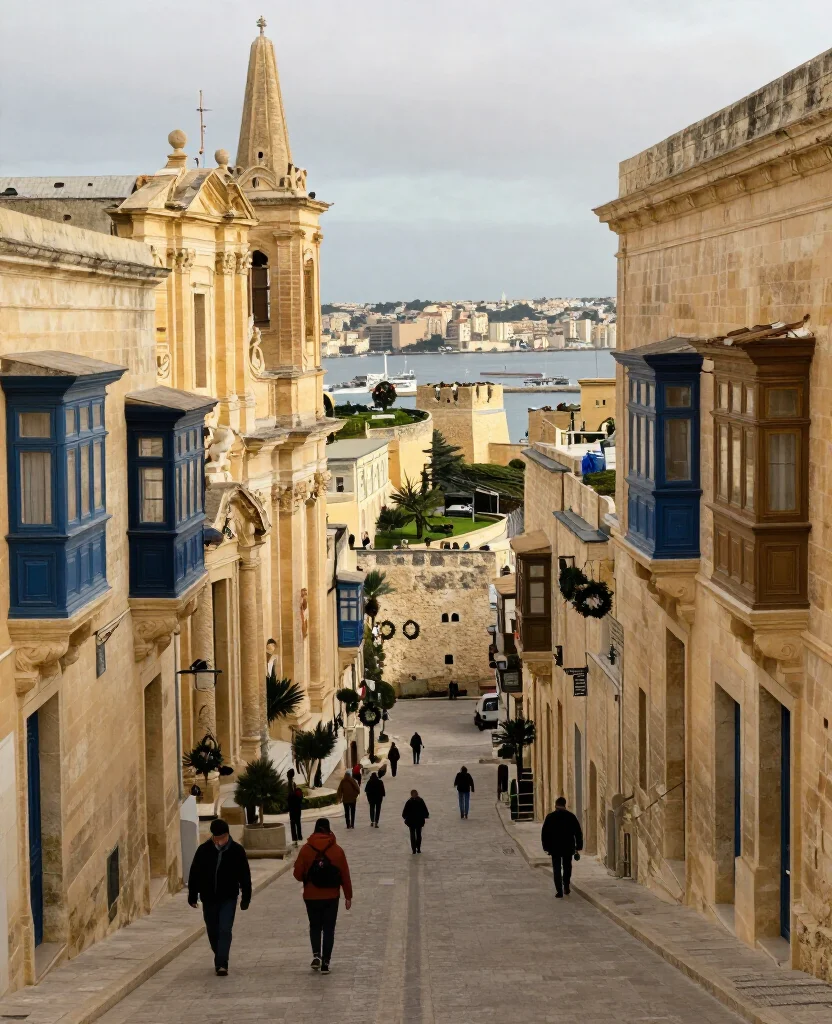
Valletta is at its best when you give its old streets time to speak.
From St. John’s Co-Cathedral and Upper Barrakka Gardens to the unforgettable Saluting Battery, these historic places bring together art, faith, defense, family life, and harbor views in one walkable city.
Pack comfortable shoes, check seasonal opening times, and leave a little space for an unexpected courtyard or quiet limestone lane.
December’s gentle light and cooler air make Valletta historic sites especially enjoyable, so save this list for your trip and share your favorite stop with another history-loving traveler.
Note: We aim to provide accurate product links, but some may occasionally expire or become unavailable.
If this happens, please search directly on Amazon for the product or a suitable alternative.
This post contains Amazon affiliate links, meaning we may earn a small commission if you purchase through our links, at no extra cost to you.
Frequently Asked Questions
Q. Is Valletta worth visiting in December?
Yes. The weather is mild, crowds are smaller, and prices are lower, so it’s ideal for exploring historical sites comfortably.
Q. What is the weather like in Valletta in December?
Usually around 11°C to 17°C (52°F to 63°F), with some wind and showers. Bring a light waterproof jacket and comfortable, grippy shoes.
Q. What are the best indoor historical attractions in winter?
St. John’s Co-Cathedral, the National War Museum, Casa Rocca Piccola, the Lascaris War Rooms, and the Grandmaster’s Palace are great for rainy days.
Q. Are there Christmas events in Valletta?
Yes. The city is usually decorated with lights, and there are often markets, concerts, and nativity displays. Check this year’s schedule before you go.
Q. How many days do I need for historical sites in Valletta?
Two days covers the main sights in the city, and a third day adds the Three Cities or Mdina.

10 Stylish San Francisco Outfits for August That Will Keep You Cool and Chic!

10 Must-Have San Francisco Outfits for June That’ll Make You the Envy of Every Tourist!

10 Must-Have Outfits for San Francisco in May That Will WOW the Locals!
