Aspen in December feels like a picture-perfect winter escape, with snowy mountains, festive streets, and a cozy luxury atmosphere.
When planning what to wear in Aspen in December, I love combining warmth with polished mountain style.
Think chunky sweaters, thermal layers, chic puffer jackets, wool coats, leggings, winter trousers, insulated boots, and cozy accessories.
In this guide, I’ll share 12 stylish Aspen outfit ideas, winter packing tips, and practical looks for snowy adventures and après-ski evenings.
1. Start With a Sweat-Wicking Thermal Base Layer
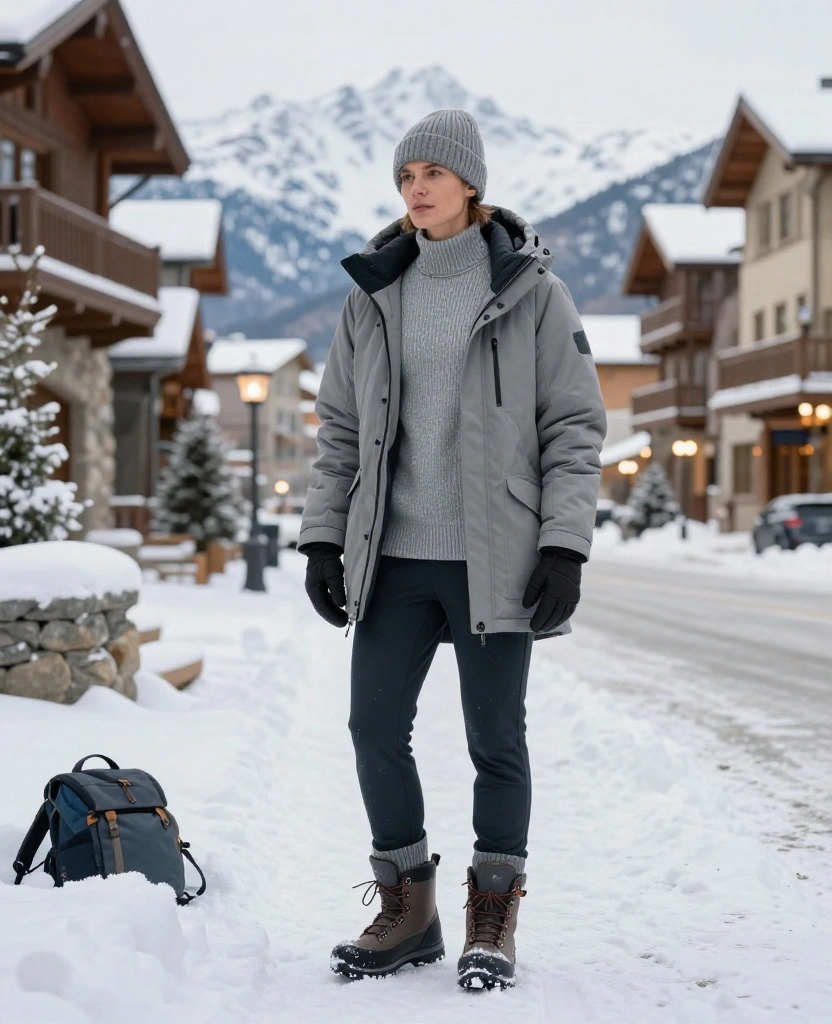
If your first layer stays dry, the rest of your winter outfit works better.
A close-fitting thermal top and smooth leggings trap body heat without adding bulky fabric.
This setup keeps you comfortable on ski lifts, snowy walks, and long days that move between town and the mountain.
Outfit Pieces:
– Merino wool or synthetic thermal crew neck (mock neck for extra coverage)
– High-rise thermal leggings in a smooth, medium-weight knit
– Flat-seam construction with a longer back hem
– Cuffs that stay under sweaters and snow pants
– Spare dry base-layer set in a sealed travel bag
Styling Tips:
– Choose a close fit, but make sure you can bend your knees and lift your arms.
– Pick a mock neck when your coat has a low collar or limited scarf space.
– Wear merino for travel days because it resists odor and feels less clammy.
– Choose synthetic fabric for skiing or snowshoeing because it dries quickly.
– Skip cotton outdoors since it holds sweat and can leave you chilled.
– Keep thermal cuffs hidden beneath sleeves for a smooth, tidy finish.
A clean, dry base layer can feel warmer than another thick sweater.
Pack a second set for dinner, après-ski drinks, or any evening after hours outside.
Start With a Sweat-Wicking Thermal Base Layer
Editor’s Choice

100% Merino Wool Base Layer Mens – Long Sleeve Thermal Shirts with Socks
 Amazon$49.99
100% Merino Wool Base Layer Women – Thermal Underwear Set Top & Bottom
Amazon$109.99
Thermal Underwear Set for Women Fleece Lined Winter Clothes Long Johns
Amazon$14.872. Use a Fleece or Wool Middle Layer for Loft
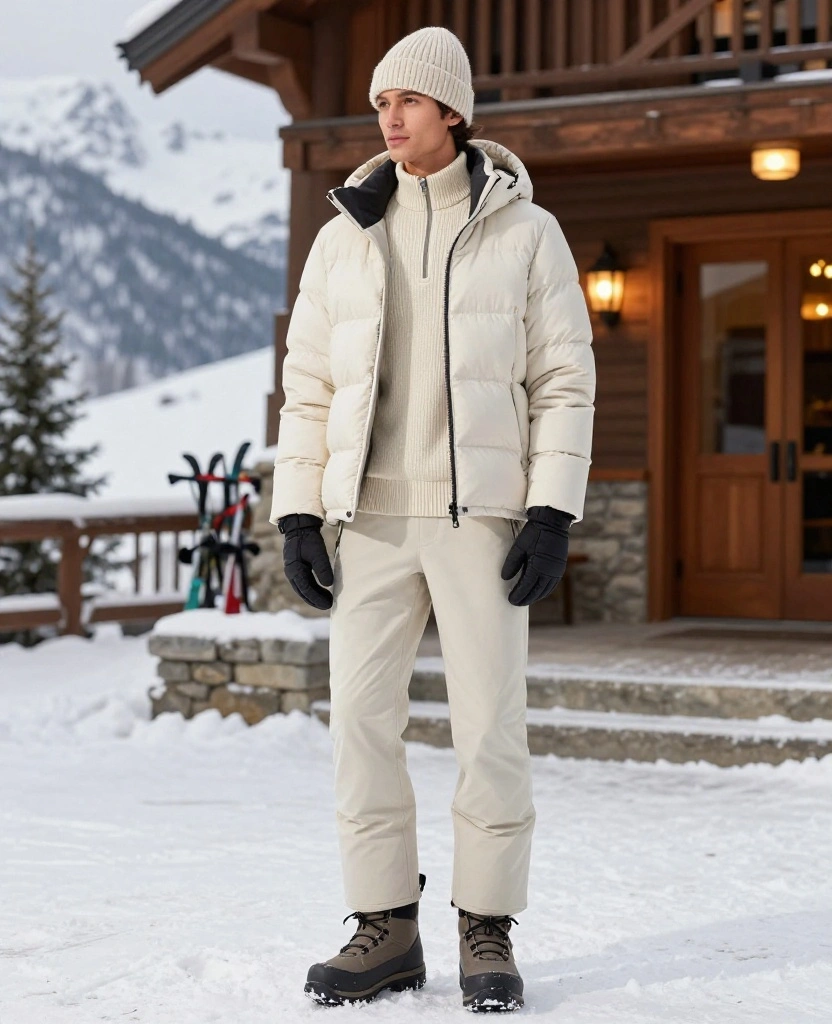
Your middle layer supplies the soft insulation that holds warm air close to your body.
Fleece, wool, and quilted fabrics add comfort without the stiff feeling of too many heavy sweaters.
This layer works for ski mornings, café stops, shopping trips, and relaxed evenings by the fire.
Outfit Pieces:
– Grid fleece quarter-zip in rust, cream, or forest green
– Lightweight merino sweater (crew neck, mock neck, or turtleneck)
– Quilted insulated vest with a smooth lining
– Fleece joggers or thin insulated pants for active days
– Medium-weight wool socks with cushioned soles
Styling Tips:
– Choose fleece for active plans and wool for a more polished town outfit.
– Leave enough room for movement across your shoulders and elbows.
– Pair a cream thermal with rust fleece and a deep green or navy coat.
– Use a vest when your core needs warmth but your arms need freedom.
– Avoid squeezing thick knits under a fitted jacket because compressed loft loses warmth.
– Pick a smooth quarter-zip when you expect to remove layers indoors.
One lofty layer often beats two tight sweaters.
Swap the fleece for cashmere-blend knitwear when you want a softer après-ski look that still fits beneath a roomy coat.
Use a Fleece or Wool Middle Layer for Loft
Editor’s Choice

Women Cashmere Merino Wool Sweaters Long Sleeve Shirts Winter Tops
Amazon$49.99

Womens Quarter Zip Pullover Sweatshirt – Mock Neck Knit Fleece
Amazon$29.49Also Read: What to Wear in Salt Lake City in December?
3. Pick a Puffer Coat With Room for Air
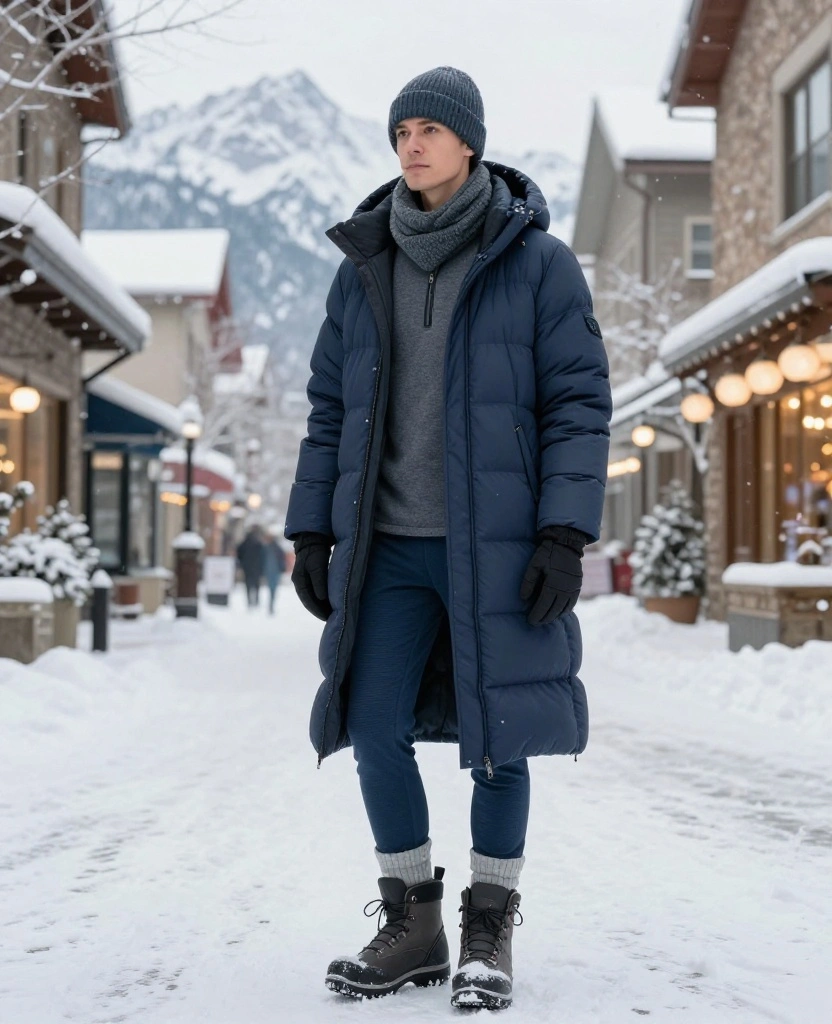
A puffer keeps you warm by trapping air inside its insulation.
If the coat feels tight across your chest or shoulders, that air space disappears and your layers work less effectively.
Choose a relaxed shape that closes easily over a thermal top, fleece, or wool sweater for skiing, sightseeing, and frosty evening plans.
Outfit Pieces:
– Down puffer for lightweight warmth (synthetic fill for damp snow)
– Hip-length or mid-thigh cut with a high collar
– Two-way zipper for sitting, driving, or wearing over snow pants
– Adjustable hood with a firm brim
– Elastic cuffs or inner storm cuffs
– Zippered pockets sized for gloves, lip balm, and hand warmers
Styling Tips:
– Try the coat over your actual base and middle layers before buying.
– Raise your arms, bend forward, and reach across your body to test mobility.
– Select a cream puffer with brown boots, or use black and navy for easy mixing.
– Match the coat’s largest color block with your snow pants for a clean line.
– Keep pocket contents light so the zipper stays closed and the hem does not pull.
– Choose a slightly relaxed fit instead of stretching the coat across every seam.
A roomy puffer looks polished when the rest of your outfit stays simple.
Add a bright scarf or patterned beanie when you want color without sacrificing warmth.
📹 Related Video: How should your insulated jacket fit?
Pick a Puffer Coat With Room for Air
Editor’s Choice

Women’s Arctic Parka (Standard & Plus Size) | Waterproof Shell, Recycled…
Amazon$350.00
Yeokou Women Warm Sherpa Lined Fleece Crewneck Sport Sweatshirt Pullover…
AmazonGBP 23.77
Mens Thermal Underwear Long Johns Set Cold Weather Hunting Base Layer
Amazon$19.994. Add a Weatherproof Shell When Wind Picks Up
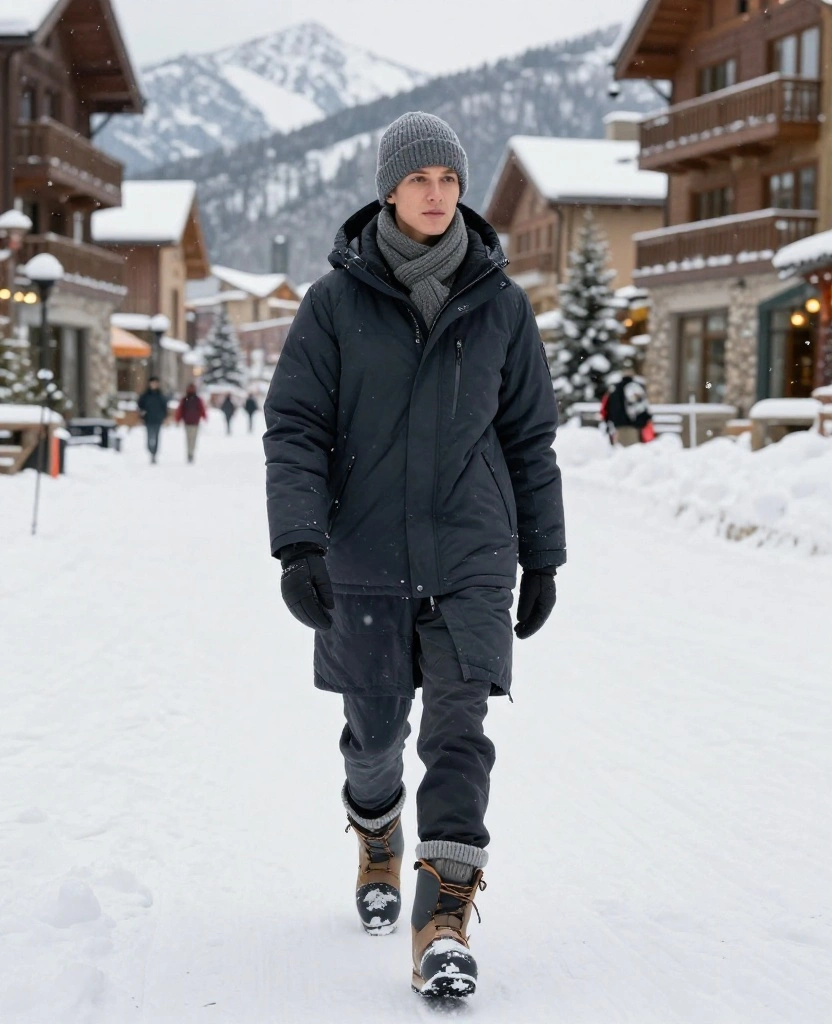
Wind can steal warmth from even the thickest sweater.
A weatherproof shell forms a protective barrier over your insulating layers, keeping snow and cold air outside.
Use it for skiing, windy walks, changing forecasts, and any day when dry insulation matters more than extra bulk.
Outfit Pieces:
– Waterproof ski jacket or roomy technical parka
– Breathable hard shell with protected or sealed zippers
– Adjustable hood with a brim and crown toggle
– High collar with a storm flap
– Hook-and-loop cuffs that fit over gloves
– Lightweight puffer or quilted vest for warmth underneath
Styling Tips:
– Wear a thermal top, fleece, and shell for active mountain days.
– Add a thin puffer beneath the shell for slow walks after sunset.
– Make sure the shell does not crush the insulation underneath.
– Choose navy, charcoal, or olive when you want a versatile outer layer.
– Keep the hood loose enough for a beanie but snug enough to block wind.
– Test zippers with gloves on before leaving your hotel.
A shell helps your other layers stay dry and lofty for longer.
Hang it open after use, and let it air-dry away from radiators or other strong heat sources.
Add a Weatherproof Shell When Wind Picks Up
Editor’s Choice

Women’s Ski Jacket Warm Winter Coat Snowboarding Jacket
Amazon$39.99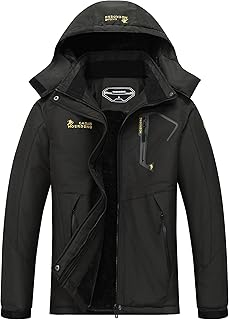
Women’s Ski Jacket Warm Winter Coat Snowboarding Jacket
Amazon$39.99
Fleece Lined Wide Leg Pants Women – Winter Thermal Warm Straight Leggings
Amazon$24.995. Build Warmth Around Your Neck Without the Bulk
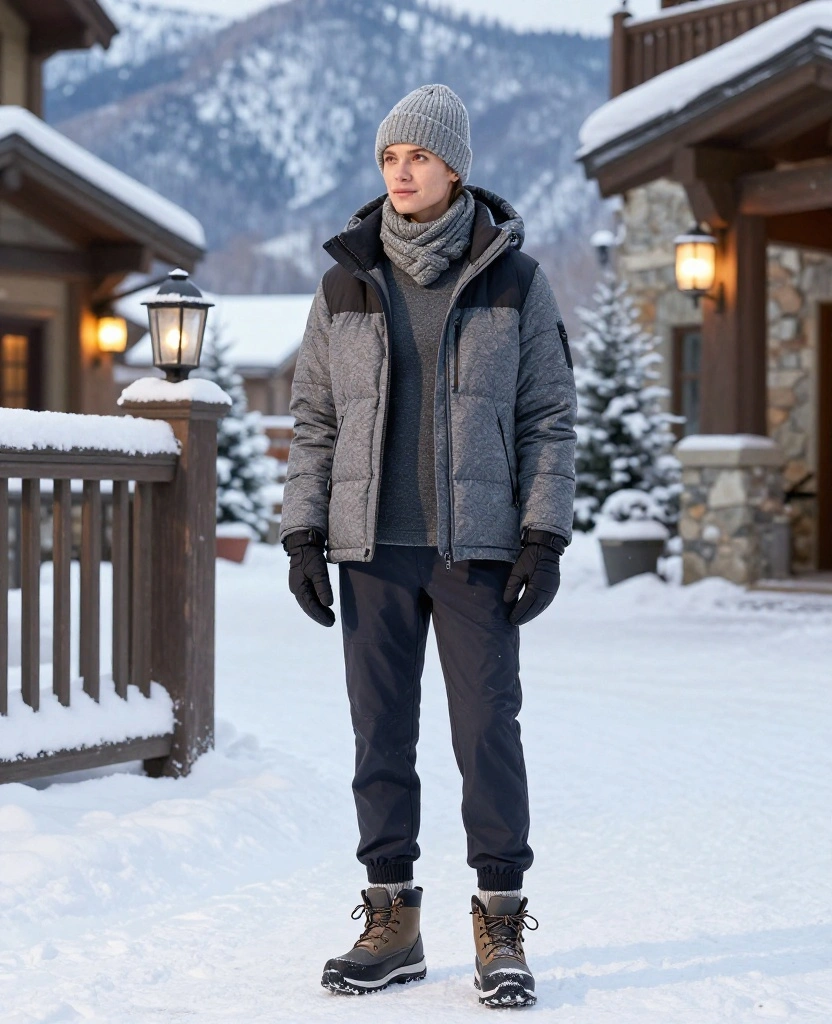
A small gap around your neck can make a warm coat feel surprisingly cold.
Close that space with a mock neck, fleece gaiter, or soft scarf that holds heat without crowding your collar.
This trick shines on ski lifts, snowy sidewalks, outdoor tables, and chilly après-ski patios.
Outfit Pieces:
– Merino mock-neck thermal in cream, black, or charcoal
– Stretch fleece neck gaiter for active days
– Medium wool or cashmere-blend scarf for town outfits
– Weather-resistant scarf for wet snowfall
– High-collar puffer or parka
– Optional silk neck scarf for indoor style, worn under warmer layers
Styling Tips:
– Put a smooth thermal collar under wool if your skin feels sensitive.
– Choose a gaiter for skiing because it stays close and avoids loose ends.
– Tuck scarf ends inside your coat when using chairlifts or crowded paths.
– Coordinate scarf color with your hat, boots, or bag for a finished look.
– Wrap loosely enough for comfort and a small pocket of warm air.
– Loosen the scarf indoors before removing your entire coat.
A neck gaiter adds warmth with almost no packing space.
Use a long scarf for a polished dinner outfit, then switch to a compact fleece tube for mountain activities.
Build Warmth Around Your Neck Without the Bulk
Editor’s Choice

Polar Fleece Neck Warmer – Ski Mask Winter Neck Gaiter Scarf Men Women
Amazon$12.99
Merino Wool Base Layer Women Turtleneck – Merino Wool Sweater Women Shirt
Amazon$53.99
Cashmere Wool Blend Wrap for Women, Pashmina Shawl Scarf Travel 78″x27″
Amazon$59.996. Keep Hands Warm With a Glove-and-Mitten System
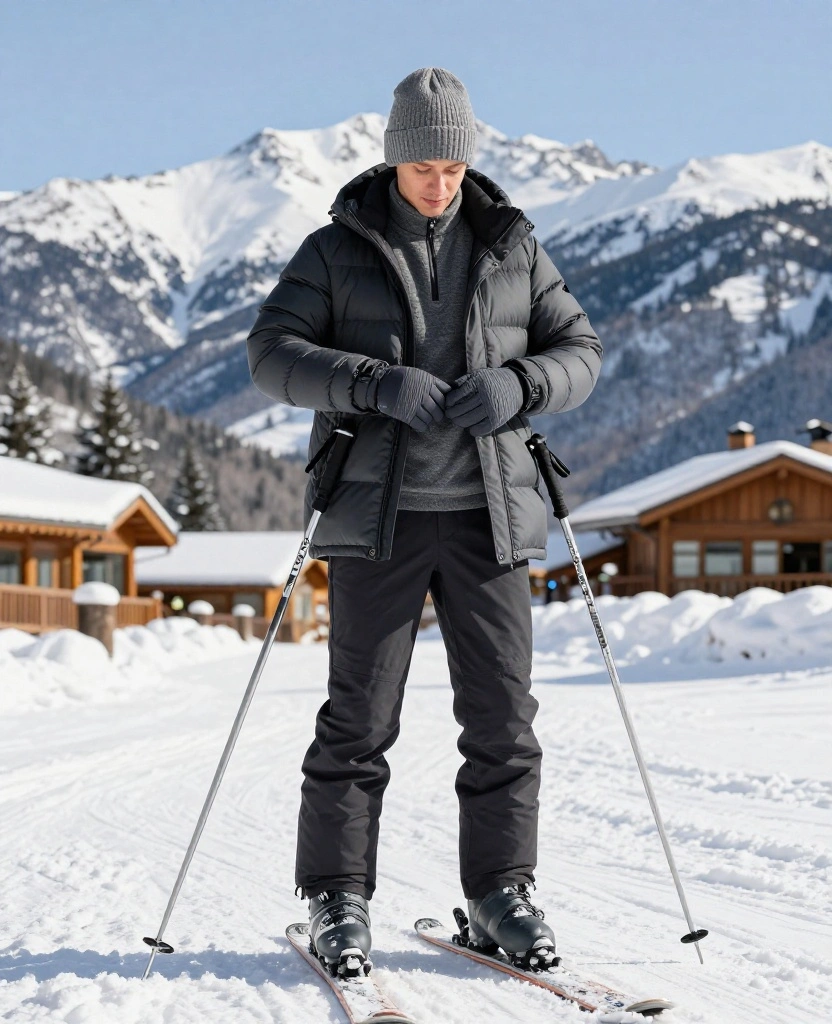
Cold fingers can end a mountain day quickly.
A thin liner glove gives you dexterity, while a weatherproof mitten creates a shared pocket of heat around your fingers.
This system helps when you handle ski poles, open zippers, take photos, or wait outside for a lift.
Outfit Pieces:
– Merino or synthetic stretch liner gloves
– Insulated mittens with a water-resistant outer shell
– Long gauntlet cuffs or adjustable wrist closures
– Reusable or disposable hand warmers
– Wrist leashes for lift rides and active snow days
– Dry backup gloves stored in a waterproof pouch
Styling Tips:
– Choose mittens for maximum warmth and gloves when you need finger control.
– Tuck coat sleeves into mitten cuffs, then secure the outer closure.
– Place hand warmers near your fingers according to package directions.
– Match glove color to your boots or coat for a coordinated finish.
– Avoid cotton liners because damp fabric quickly feels cold.
– Dry wet gloves naturally and keep them away from direct radiator heat.
Bring a spare pair if you will ski or play in snow for several hours.
Swap mittens for leather-lined gloves when moving from the mountain to dinner, but keep the liners for extra insulation.
You might also like
Keep Hands Warm With a Glove-and-Mitten System
Editor’s Choice

Ski Mittens – Waterproof Mittens for Men & Women – Insulated Winter Glov…
Amazon$16.99
Merino Wool Gloves for Women Men, Touch Screen Warm Glove Liners Thermal…
Amazon$19.957. Choose Snow Pants That Make Sitting and Walking Easier
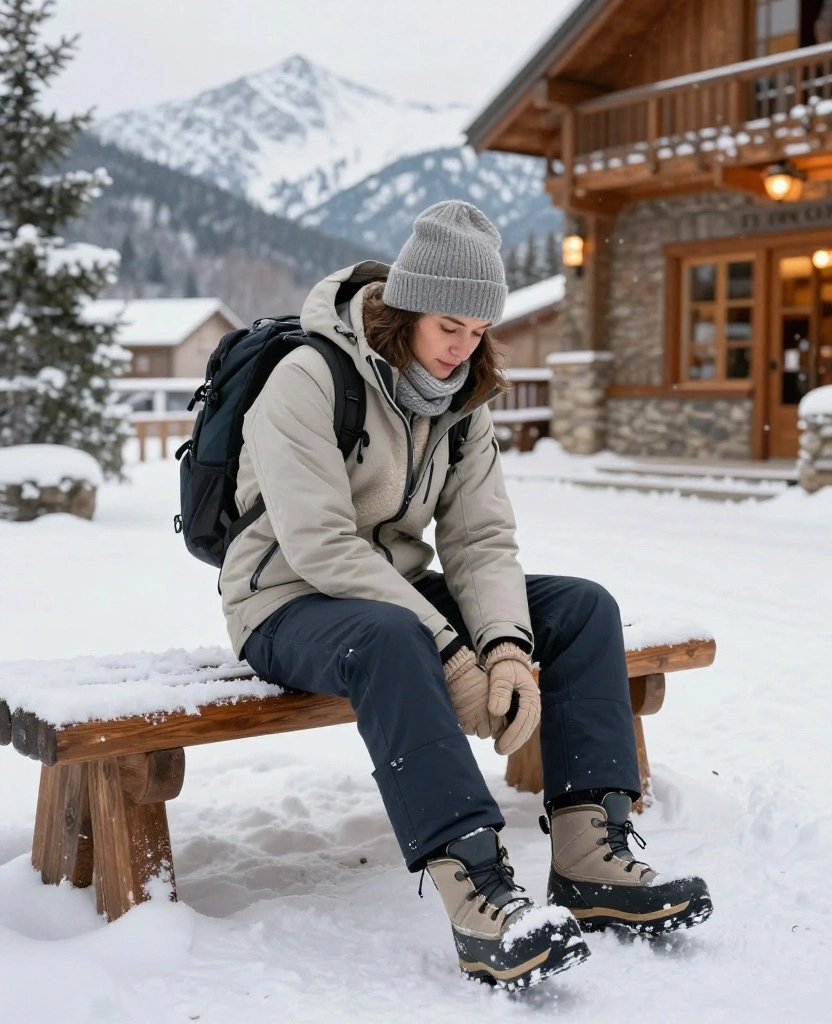
Jeans absorb snow, dry slowly, and become stiff in freezing weather.
Snow pants create a windproof barrier while giving you the freedom to sit, bend, climb, and walk through powder.
They are useful for skiing, snowshoeing, lift lines, and long walks through town after a fresh snowfall.
Outfit Pieces:
– Waterproof ski pants with articulated knees
– Bib snow pants for extra waist and back coverage
– Soft-shell trousers for polished town outfits
– Thermal leggings beneath the outer pants
– Ankle gaiters that fit securely over winter boots
– Reinforced cuffs and seat for frequent outdoor use
Styling Tips:
– Sit, bend, and lift one knee when checking the fit before your trip.
– Choose black soft-shell pants with a camel puffer for a clean town look.
– Wear bibs over a fleece top and shell jacket for mountain activities.
– Make sure hems do not drag through slush or cover your boot tread.
– Use adjustable waist tabs instead of adding too many tight layers.
– Keep pockets zipped so phones and cards stay safe in deep snow.
Good snow pants make simple tasks feel easier.
Replace bulky ski pants with sleek insulated trousers for dinner, then add a long coat and tall boots for extra coverage.
Choose Snow Pants That Make Sitting and Walking…
Editor’s Choice
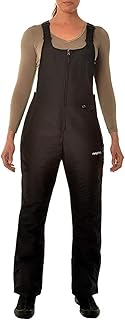
Women’s Essential Insulated Ski Bibs, Water Resistant Snow Pants for Ski…
Amazon$40.60
Women’s Fleece-Lined Hiking Pants: Water Resistant Windproof
Amazon$37.34
Men’s Snow Pants Waterproof Ski Pants Insulated Trousers
Amazon$39.998. Protect Your Feet With Smart Sock Layering
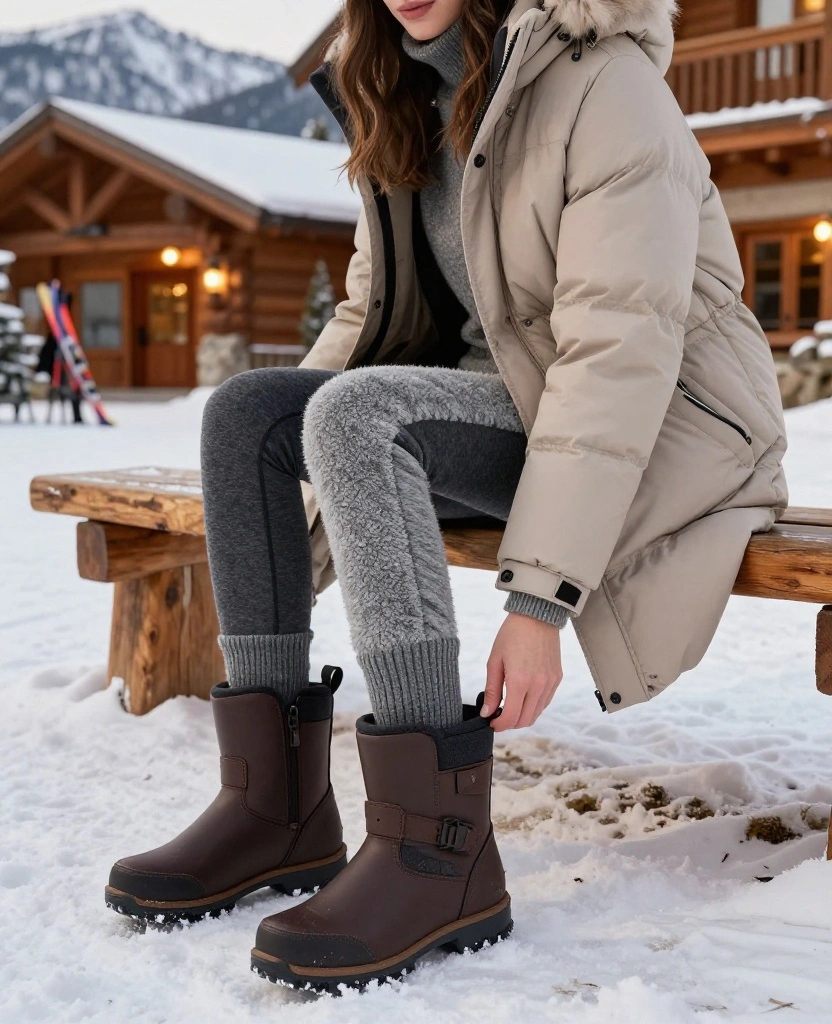
Warm feet need space, dryness, and steady circulation.
One quality wool sock often works better than two pairs squeezed inside a tight boot.
This setup keeps you comfortable on icy sidewalks, ski days, shopping trips, and long walks between Aspen lodges.
Outfit Pieces:
– Merino wool socks with cushioned heels and toes
– Synthetic ski socks with shin padding for ski boots
– Thin liner socks only when your boots have extra room
– Insulated waterproof boots with deep tread
– Removable winter insoles for added warmth
– Spare dry socks inside a sealed plastic or waterproof pouch
Styling Tips:
– Put on fresh, dry socks just before heading outside.
– Smooth every wrinkle before pulling on your boots to avoid pressure points.
– Leave enough room for your toes to wiggle and your heel to move naturally.
– Choose mid-calf boots with brown leather for town outfits and black technical boots for snow days.
– Try boots later in the day when your feet are slightly larger.
– Dry boots with removable insoles away from direct heat.
Comfortable feet help your entire layering system succeed.
Swap sleek fashion boots for insulated lug-sole styles when sidewalks turn icy, then keep the same wool socks for both looks.
Protect Your Feet With Smart Sock Layering
Editor’s Choice

Merino Wool Ski Socks for Men, Women & Youth – Over-the-Calf Full Cushio…
Amazon$18.99
Women’s Thermal Knee High Socks Merino Wool Winter Socks for Skiing Snow…
Amazon$12.99
Women’s Dry Ultra-Lightweight Crew Liner Coolmax Thin Fabric for Comfort…
Amazon$11.009. Use a Long Coat to Seal the Cold Gaps
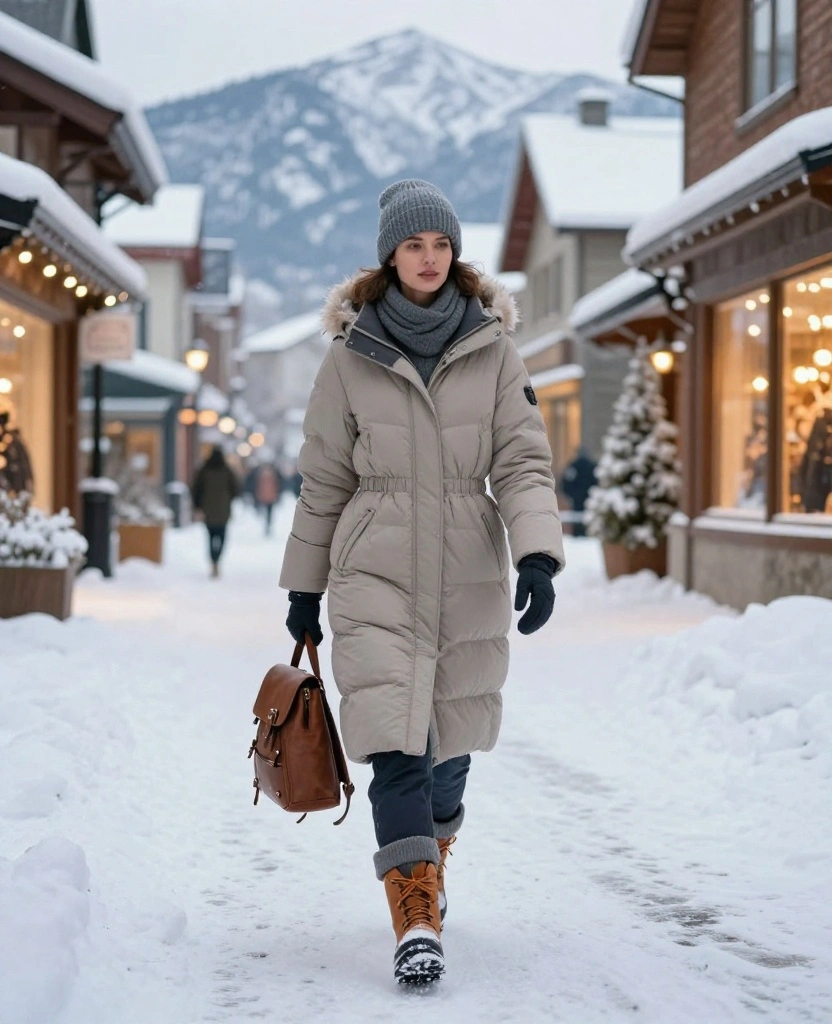
A short jacket can leave your lower back and hips exposed whenever you bend or sit.
A longer insulated coat covers those gaps and keeps warm air close to more of your body.
This shape works especially well for town walks, outdoor dining, lift lines, and cold evenings after sunset.
Outfit Pieces:
– Mid-thigh or knee-length insulated parka
– Lightly shaped waist with a drawcord or quilted panels
– Two-way zipper, side snaps, or a flexible back vent
– Wind-resistant outer fabric in black, cream, camel, olive, or navy
– Slim snow pants or winter trousers
– Tall insulated boots with grippy soles
Styling Tips:
– Keep the base layer close and the middle layer medium weight.
– Choose a coat hem that covers your trousers without dragging through snow.
– Use a two-way zipper when sitting, climbing stairs, or getting into a car.
– Match tall boots to the coat’s darker details for a longer-looking line.
– Keep the inside pocket for your phone so cold air does not drain the battery.
– Avoid overloading outer pockets because extra weight can pull open the zipper.
A long coat can cover leggings during quick hotel trips and still look polished at dinner.
Choose a neutral shade for maximum versatility, then add personality with a bright scarf or textured hat.
Use a Long Coat to Seal the Cold Gaps
Editor’s Choice


10. Make Your Headwear Work With Your Hood
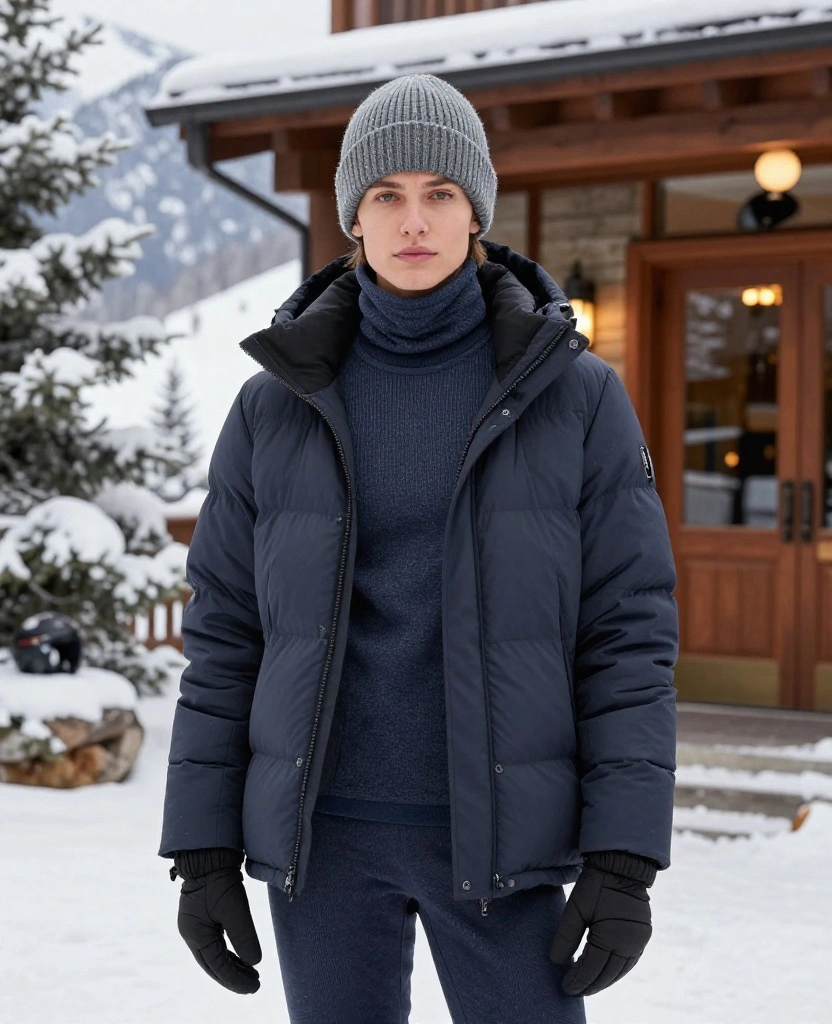
A good hat protects your ears, holds warmth close, and makes your hood more useful.
The right thickness depends on your activity.
Thin merino works under a helmet or fitted hood, while a lined ribbed knit suits slow walks, shopping, and lodge visits.
Outfit Pieces:
– Thin merino beanie for skiing and helmet use
– Fleece-lined knit hat for town outings
– Deep-crown hat for thick hair
– Adjustable hood with a firm brim
– Soft neck gaiter or scarf that overlaps the hat
– Dry spare beanie packed in a mesh pouch
Styling Tips:
– Pull the hat low enough to cover both ears without causing pressure.
– Choose a slim crown under a helmet and a fuller knit under a roomy parka hood.
– Tighten the hood around your face while keeping clear side vision.
– Pair a mustard or cobalt beanie with a neutral coat for a bright accent.
– Use cream, charcoal, or black headwear for a quiet winter palette.
– Shake snow from wet hats and let them dry naturally before wearing them again.
When the hat, hood, and neck layer overlap, wind has fewer openings.
Swap a pom-pom knit for a smooth fleece cap on active days, then return to the textured style for après-ski plans.
You Might Also Like
Make Your Headwear Work With Your Hood
Editor’s Choice

Borges & Scott The Aspen – Double Layer Beanie Hat – 100% Cashmere – Mad…
AmazonCheck Price
100% Merino Wool Beanie Neck Gaiter Combo, Unisex 17.5um 4 Season Soft Hat
Amazon$26.99
Knit Hooded Scarf Hat Pullover Balaclava Beanie Skull Cap with Drawstrin…
Amazon$17.9911. Carry a Warmth Kit for Indoor and Outdoor Swings
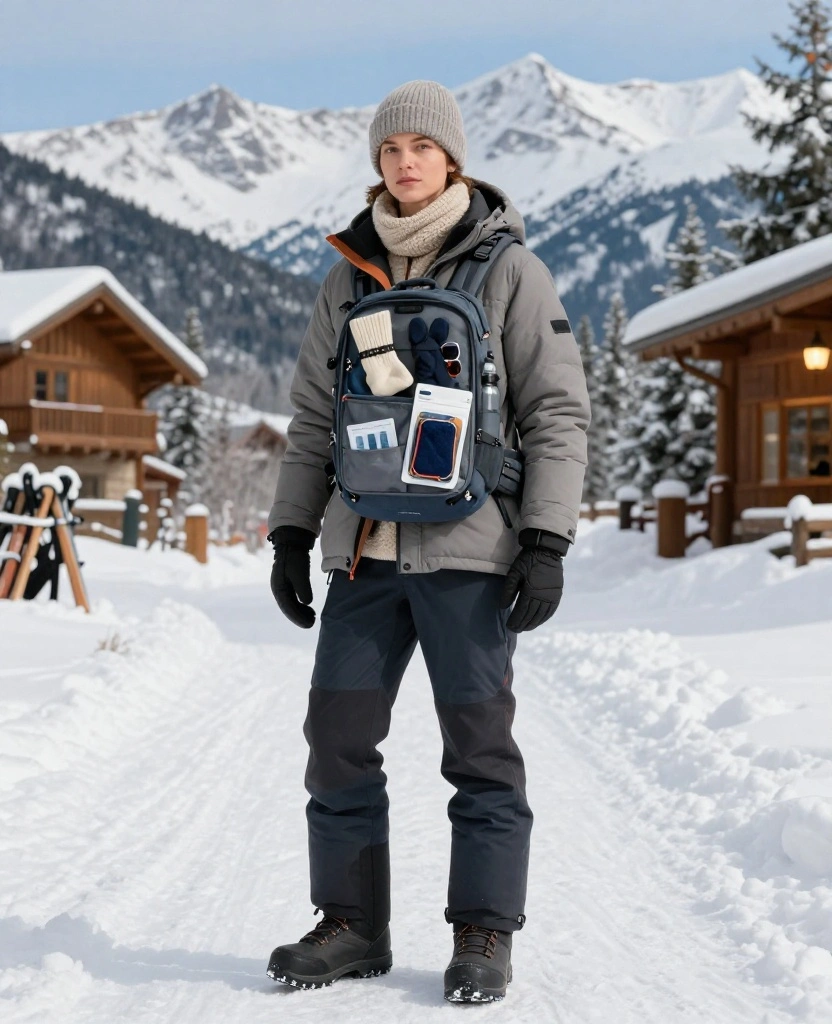
Aspen weather can change from biting cold to warm lodge air within minutes.
A small warmth kit lets you adjust without carrying a second suitcase.
Pack useful backups for wet gloves, tired feet, dry lips, bright snow glare, and sudden temperature drops.
Outfit Pieces:
– Spare merino socks and thin liner gloves
– Packable fleece neck gaiter or lightweight scarf
– Sealed hand warmers in their original packaging
– Sunscreen, lip balm, and polarized sunglasses
– Waterproof pouch for your phone and battery pack
– Small plastic bag for damp accessories
– Packable tote for coats and layers indoors
Styling Tips:
– Choose a small padded backpack that does not crush your coat’s insulation.
– Keep electronics in an inner pocket close to your back for better battery life.
– Remove your shell or open your puffer as soon as you enter a warm lodge.
– Store wet gloves separately so they do not dampen socks or spare layers.
– Carry a bright scarf that can refresh a simple black or navy outfit.
– Replace damp accessories before heading outside again, before your body cools down.
A compact kit keeps small problems from ending your day.
Use a crossbody bag for town and a secure backpack for skiing, then adjust the contents to match your plans.
Carry a Warmth Kit for Indoor and Outdoor Swings
Editor’s Choice

Hand Warmers Rechargeable, 2 Pack 6000mAh Electric Portable Heater, 20 H…
Amazon$14.98
Polar Fleece Warm Short Scarf for Men Women for Winter Cold Weather Soft…
Amazon$12.99
Warm Thermal Wool Socks for Winter Moisture Wicking and Breathable Cozy …
Amazon$14.9912. Dress for Easy Indoor Layer Removal
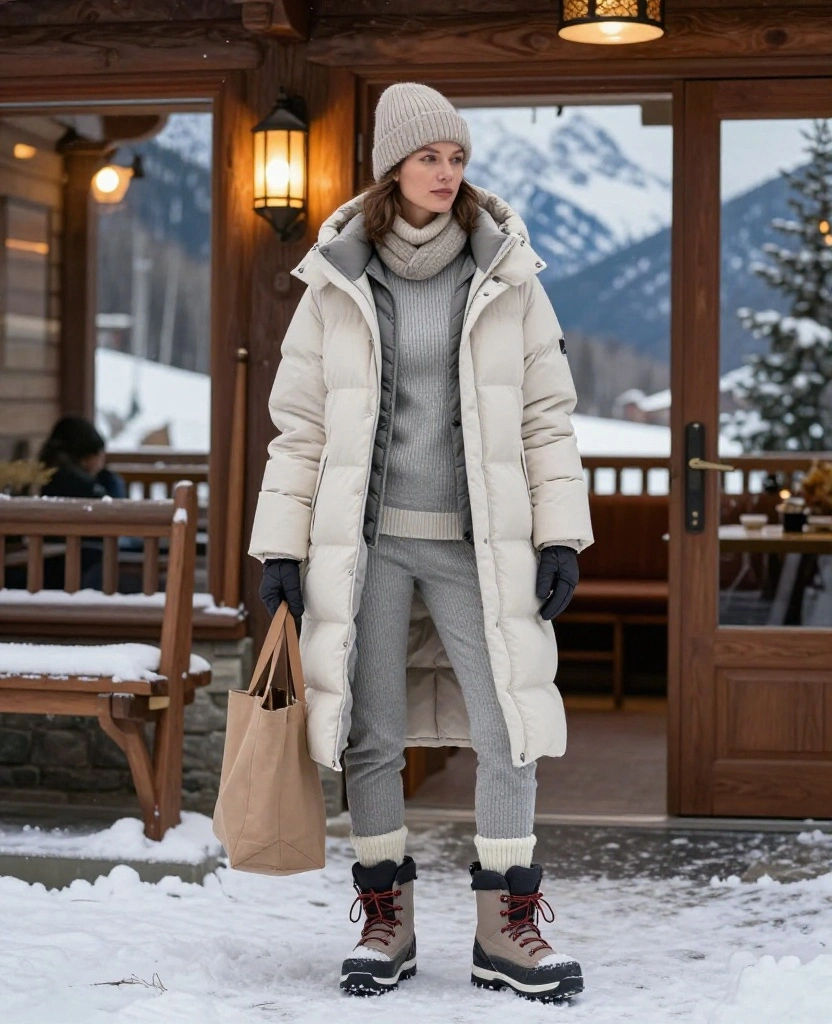
The warmest outfit is not helpful if you cannot remove it easily indoors.
Build your look from pieces that work together outside but still look complete when your coat, scarf, and vest come off.
This approach suits restaurants, galleries, hotel lobbies, ski lodges, and day-to-night plans.
Outfit Pieces:
– Fine merino thermal mock neck in cream, black, or gray
– Slim wool sweater or fleece quarter-zip
– Removable quilted vest for core warmth
– Long insulated coat with a smooth lining
– Soft scarf, beanie, mittens, and waterproof boots
– Lightweight tote for carrying layers indoors
Styling Tips:
– Choose a thermal top with clean cuffs so it looks polished on its own.
– Remove the scarf first, then the vest, hood, and coat as the room warms.
– Keep the indoor layer breathable instead of relying on one heavy acrylic sweater.
– Use a cream sweater with a camel coat, or pair charcoal layers with burgundy accessories.
– Avoid tight sleeves that make removing the coat difficult.
– Wipe slush from boot soles before entering restaurants or hotel spaces.
Swap the vest for a thin cardigan when you want a softer dinner look.
Each layer should have a clear job, so you stay warm outside and comfortable inside without losing your style.
Conclusion: Build Your Aspen Warmth System One Layer at a Time
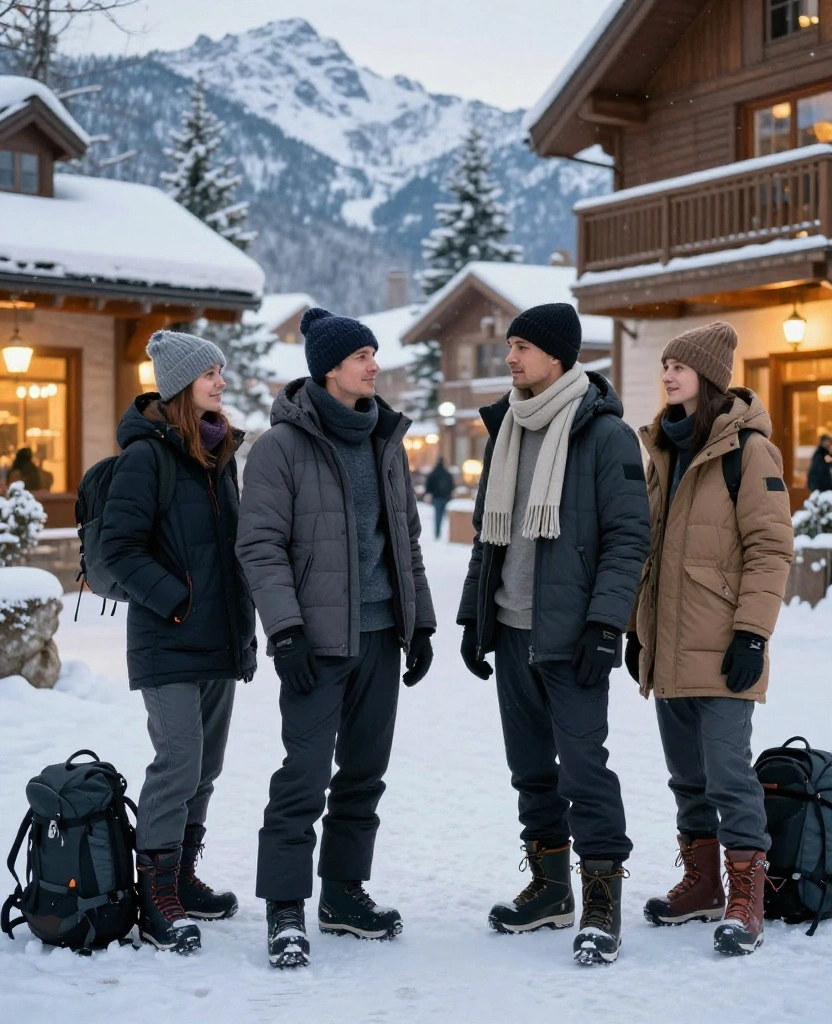
The warmest Aspen outfit is not always the biggest one.
A smooth thermal base, breathable insulating middle, roomy puffer or weatherproof shell, and well-chosen accessories can handle December’s deep freeze while keeping you comfortable indoors and outdoors.
Use these layering tricks as a starting point, then adjust them for your plans, activity level, and the day’s forecast.
Pack dry backups, protect your hands and feet, and leave enough room for every layer to work.
With the right cold-weather clothing, Aspen’s snowy streets feel inviting instead of intimidating.
Note: We aim to provide accurate product links, but some may occasionally expire or become unavailable.
If this happens, please search directly on Amazon for the product or a suitable alternative.
This post contains Amazon affiliate links, meaning we may earn a small commission if you purchase through our links, at no extra cost to you.
Frequently Asked Questions
Q. What are the best Aspen outfit ideas for December?
Warm sweaters, thermal base layers, stylish puffer jackets, wool coats, insulated pants, winter boots, and cozy accessories are excellent choices for Aspen in December.
Q. What is the Aspen December weather like?
Aspen is typically cold and snowy in December, especially at higher elevations. Warm, weather-resistant layers are essential for spending time outdoors.
Q. What are the best December packing tips for Aspen?
Pack thermal tops, chunky sweaters, fleece layers, a warm puffer or ski jacket, insulated pants, waterproof winter boots, wool socks, gloves, a scarf, and a beanie.
Q. What are the best Aspen winter outfits for women?
Try a chunky sweater with fleece-lined leggings and snow boots, a thermal base layer under a chic puffer jacket, or a wool coat styled with winter trousers and ankle boots.
Q. What should I include in an Aspen travel wardrobe?
Build your wardrobe around thermal layers, cozy knitwear, insulated outerwear, stylish winter pants, waterproof boots, and warm accessories that work for skiing, sightseeing, and après-ski evenings.

10 Stylish San Francisco Outfits for August That Will Keep You Cool and Chic!

10 Must-Have San Francisco Outfits for June That’ll Make You the Envy of Every Tourist!

10 Must-Have Outfits for San Francisco in May That Will WOW the Locals!
