Banff in December is all about snowy mountain scenery, freezing temperatures, and cozy winter adventures.
Whether you’re walking around town, visiting frozen lakes, or heading out for skiing and other outdoor activities, staying warm is essential.
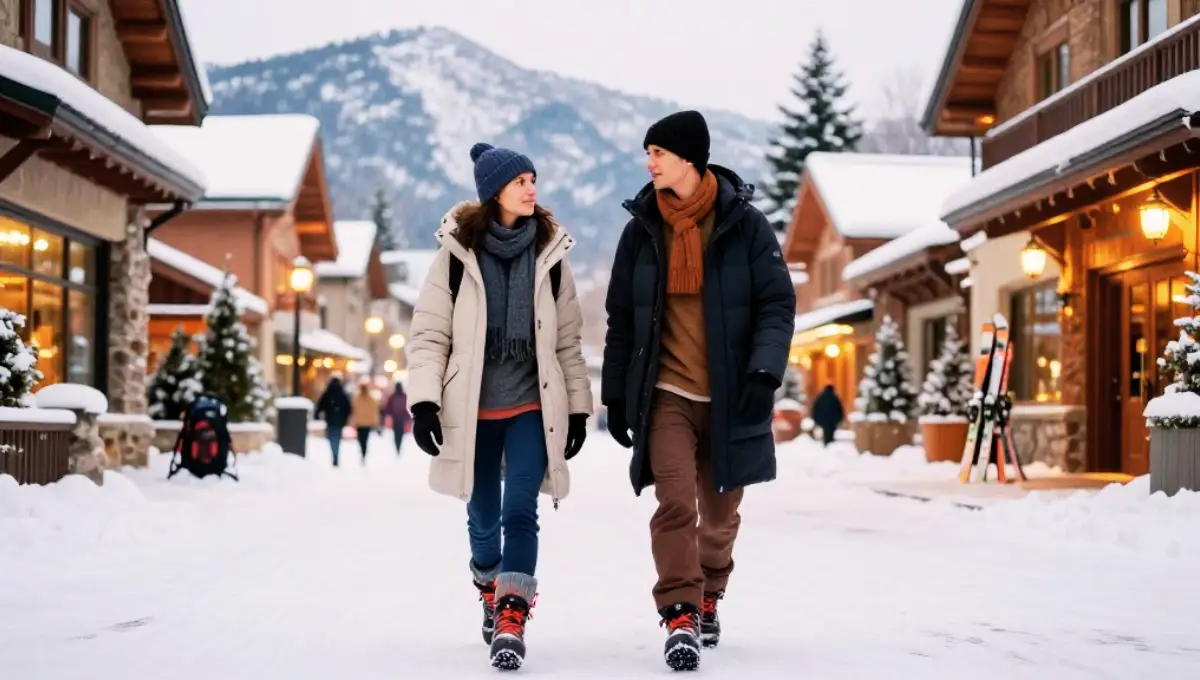
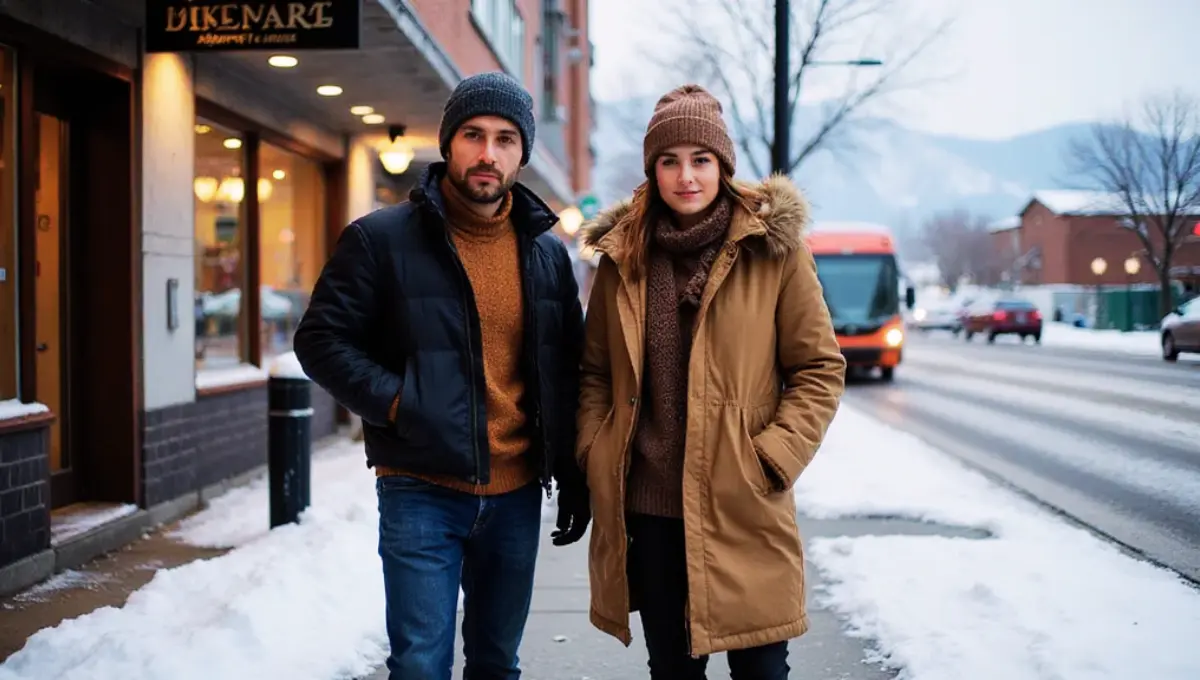
For what to wear in Banff in December, build your outfit with thermal base layers, a fleece or wool mid-layer, an insulated winter coat, warm pants, waterproof boots, gloves, and a cozy hat.
1. Start With a Moisture-Wicking Base Layer
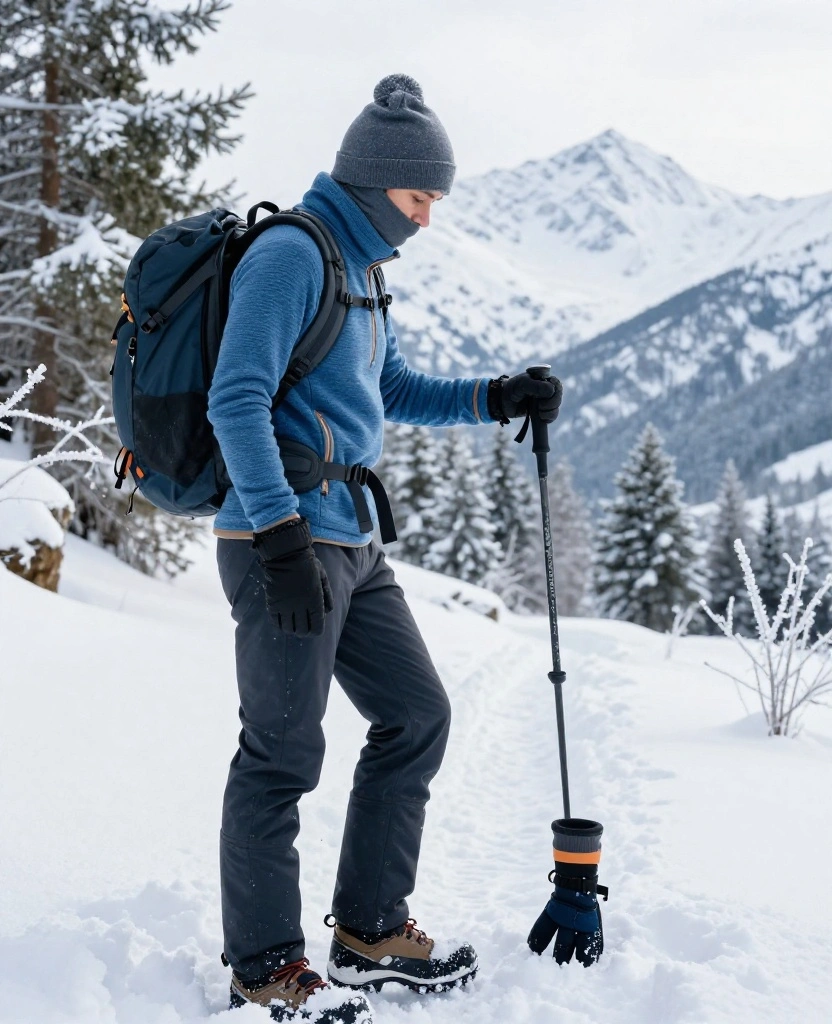
Your first layer controls comfort more than you may expect.
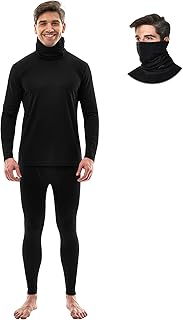
A close-fitting merino or synthetic top moves sweat away from your skin, so you stay warmer when a brisk walk turns into a climb.
This foundation works for gondola rides, snowy trails, and casual walks through Banff because it adds warmth without bulky fabric.
Outfit Pieces:
– Long-sleeve merino wool top in black, gray, or natural cream
– Synthetic thermal shirt for quick drying and lower cost
– Ankle-length thermal leggings with a smooth waistband
– Flat-seam underwear and socks to prevent rubbing
– Spare base top packed inside a waterproof bag
Styling Tips:
– Choose a close fit, but leave enough room to breathe and move.
– Pick medium-weight merino for cold sightseeing and lightweight fabric for active hikes.
– Avoid cotton because it holds sweat and feels cold when damp.
– Tuck the top into your leggings to stop cold air from reaching your waist.
– Keep a dry replacement layer near the top of your backpack.
One quality base layer usually works better than two thick ones.
Add fleece, a puffy jacket, or a parka as temperatures and activity levels change.
Start With a Moisture-Wicking Base Layer
Editor’s Choice
Women’s Thermal Shirt, Fleece Lined Long Sleeve Winter Cold Weather
 Amazon$9.99
100% Merino Wool Base Layer Mens Pants – Thermal Underwear Long Johns
Amazon$47.192. Add a Fleece or Wool Mid-Layer for Trapped Heat
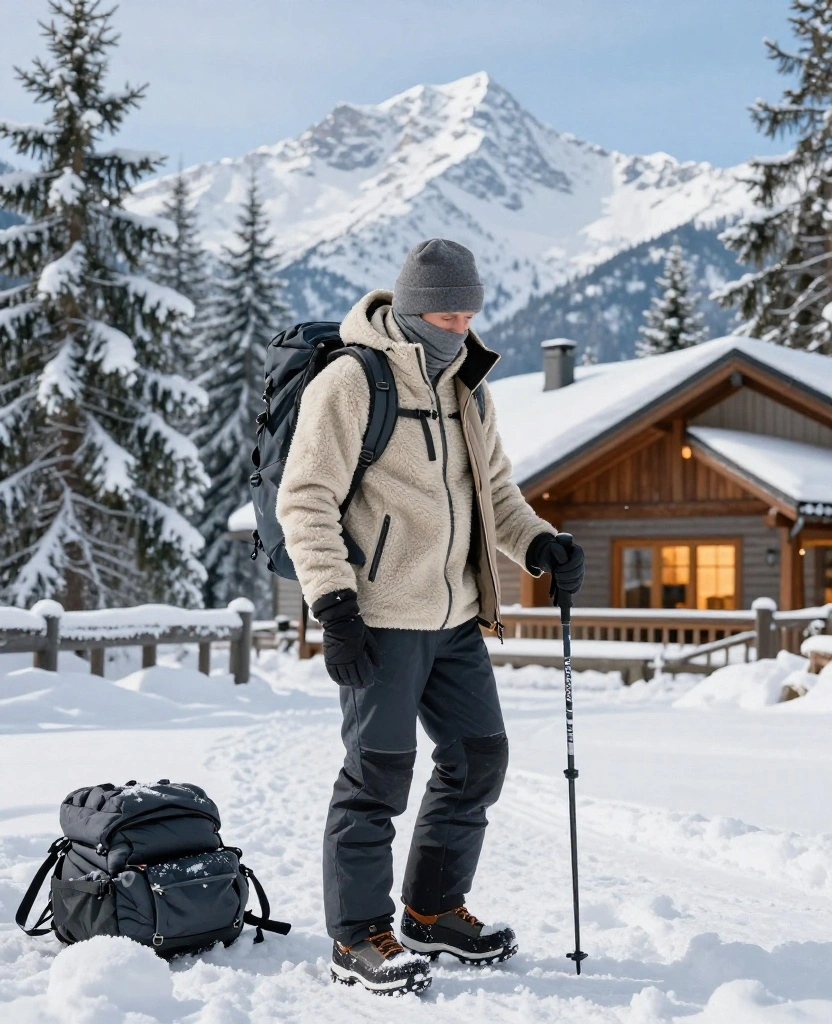
A mid-layer creates the warm air pocket your body needs in December.
Fleece feels light and dries quickly, while wool brings a soft, cozy texture to slower days around town.
Both options work beneath a shell for trail walks, sightseeing stops, and outdoor photography.
Outfit Pieces:
– Medium-weight fleece jacket in charcoal, forest green, or navy
– Merino or wool sweater with a high crew neck
– Lightweight synthetic puffy for standing still
– Full-zip design with comfortable thumb loops
– Breathable base layer underneath and weatherproof shell above
Styling Tips:
– Leave enough room for one base layer below and one shell above.
– Select a full zip so you can release heat while walking uphill.
– Choose synthetic insulation for damp snow and frequent outdoor use.
– Keep the hem close to your hips so wind cannot blow underneath.
– Match neutral mid-layers with any parka color for easier outfit changes.
Use fleece for active days and a puffy for quiet stops.
Unzip before you sweat, then add insulation when you pause beside a frozen lake or viewpoint.
Add a Fleece or Wool Mid-Layer for Trapped Heat
Editor’s Choice

Merino Wool Shirt Women Lightweight Breathable Basic Tees Long Sleeve Su…
Amazon$32.99

33,000ft Men’s Puffer Jacket Lightweight Packable Insulated Winter Coat
AmazonGBP 33.28Also Read: what to wear in Victoria in December?
3. Finish With a Waterproof, Windproof Outer Shell
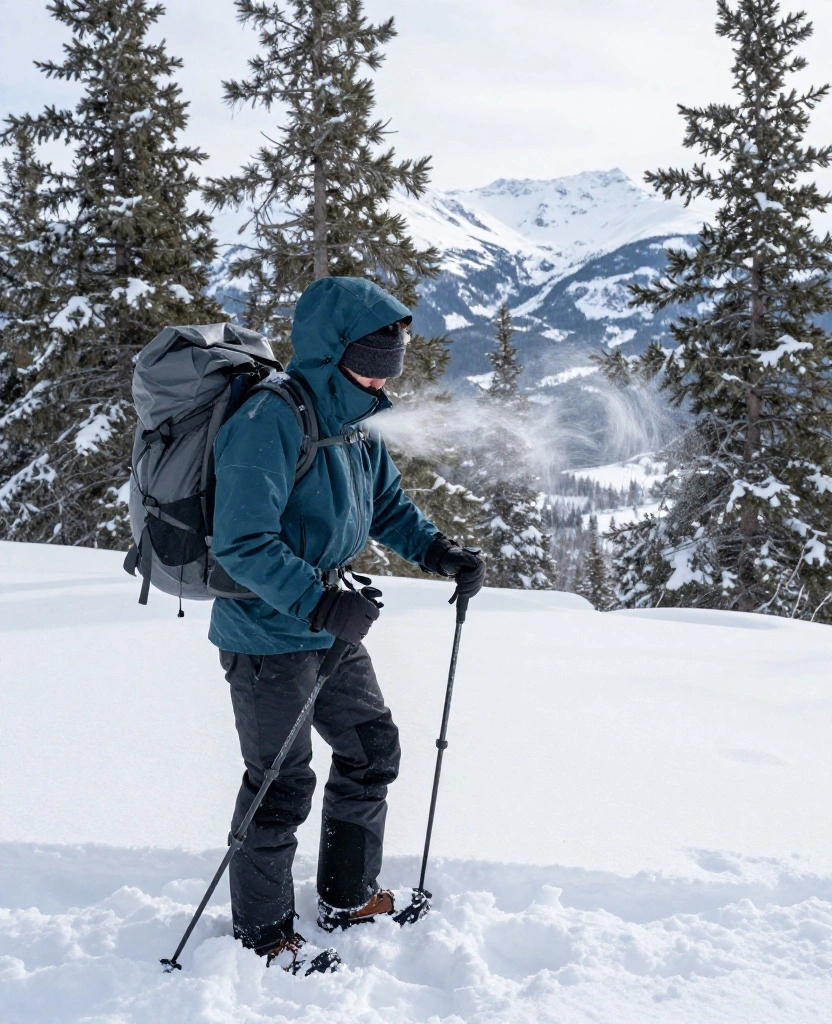
Your warm layers need a strong barrier against snow and mountain wind.
A waterproof, windproof shell keeps moisture out while allowing you to adjust the insulation underneath.
This outer layer proves useful on exposed viewpoints, snowy sidewalks, gondola platforms, and long walks near Lake Louise.
Outfit Pieces:
– Waterproof shell jacket with a three-layer fabric construction
– Insulated parka for slow, cold outings
– Adjustable hood with a firm brim
– High collar, sealed zippers, and adjustable wrist cuffs
– Longer hem for extra coverage when sitting or waiting
Styling Tips:
– Test the jacket over your thickest mid-layer before leaving home.
– Pull cuffs over gloves or mittens to block wind from your sleeves.
– Choose a hood that fits over your beanie without hiding your view.
– Use underarm zippers during uphill walks to release trapped heat.
– Pick a longer cut for quiet sightseeing and a shorter cut for active movement.
A shell protects you from weather but may not provide warmth by itself.
Pair it with fleece or insulation, then carry a pack cover to keep extra layers dry.
📹 Related Video: Waterproof vs Windproof vs Softshell and What To Buy | Rab Gear Guide
Finish With a Waterproof, Windproof Outer Shell
Editor’s Choice

Women’s Winter Coat Waterproof Fleece Lined Hooded Parka
Amazon$83.99
Women’s 3-in-1 Waterproof Ski Jacket Windproof Winter Coat Fleece Inner …
Amazon$49.87
Men’s Snow Pants Waterproof Ski Pants Insulated Trousers
Amazon$37.994. Wear Insulated Pants Instead of Ordinary Trousers
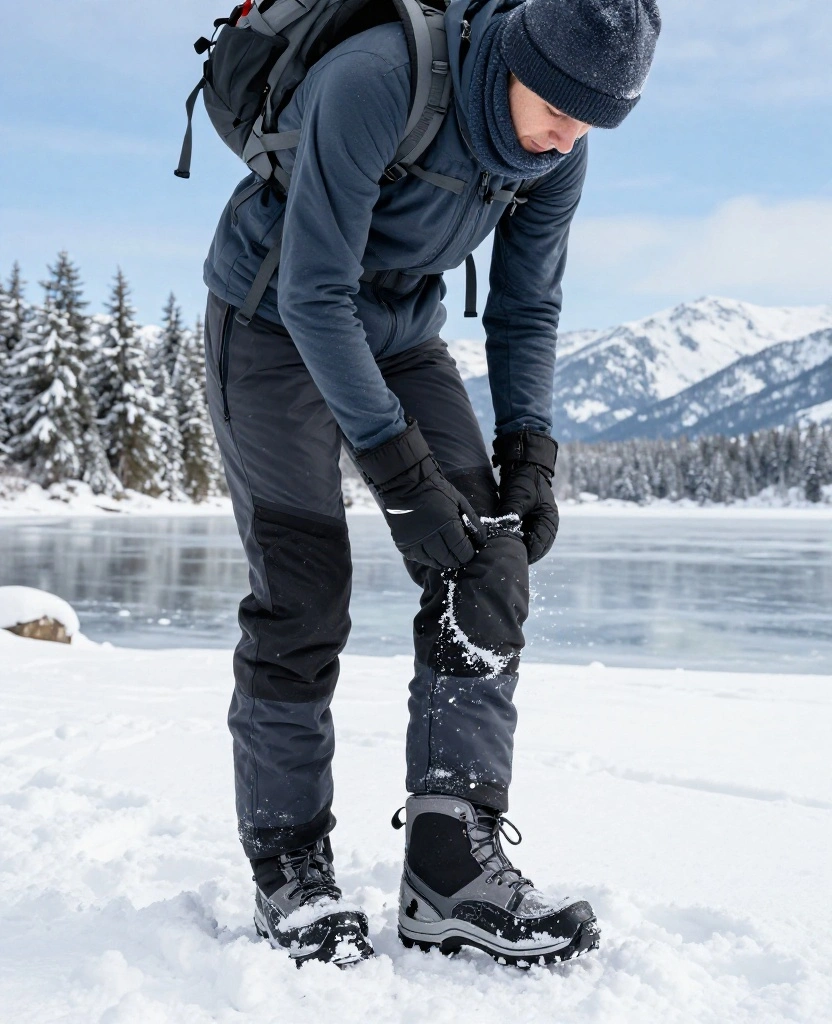
Cold legs can make every winter activity feel harder.
Jeans absorb moisture and stiffen in snow, while thin trousers let wind reach your skin.
Insulated pants or lined soft-shell trousers give you freedom to hike, sit on snow, and wait outdoors without losing comfort.
Outfit Pieces:
– Lightly insulated soft-shell pants for active walks
– Waterproof snow pants for deep snow and ski areas
– Thermal leggings with a smooth, non-rolling waistband
– Articulated knees for climbing and bending
– Reinforced cuffs, ankle zippers, and built-in snow gaiters
Styling Tips:
– Wear slim thermal leggings beneath pants without creating tight knees.
– Choose bib-style pants for skiing, sledding, or frequent bending.
– Pull pant cuffs over your boot collars instead of stuffing thick fabric inside.
– Match black, charcoal, or olive pants with almost any winter jacket.
– Select lighter insulation for hiking and heavier insulation for quiet stops.
Soft-shell pants suit Banff Avenue and easy trails, while full snow pants handle deep powder and harsh weather.
Add traction boots for a complete winter-ready outfit.
Wear Insulated Pants Instead of Ordinary Trousers
Editor’s Choice
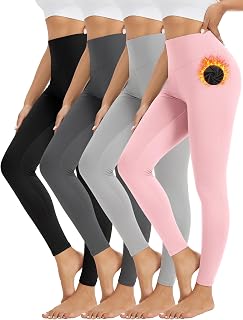
4 Pack Fleece Lined Leggings Women Thermal Warm Winter Tights High Waist…
Amazon$29.99
Down Pants,Men’s Women’s Puffy Pants,Winter Warm Outdoor Men Women Ski S…
Amazon$51.99
Women’s Waterproof Windproof Outdoor Hiking Snow Ski Insulated Pants
Amazon$41.385. Protect Your Feet With Thick Socks and Traction Boots
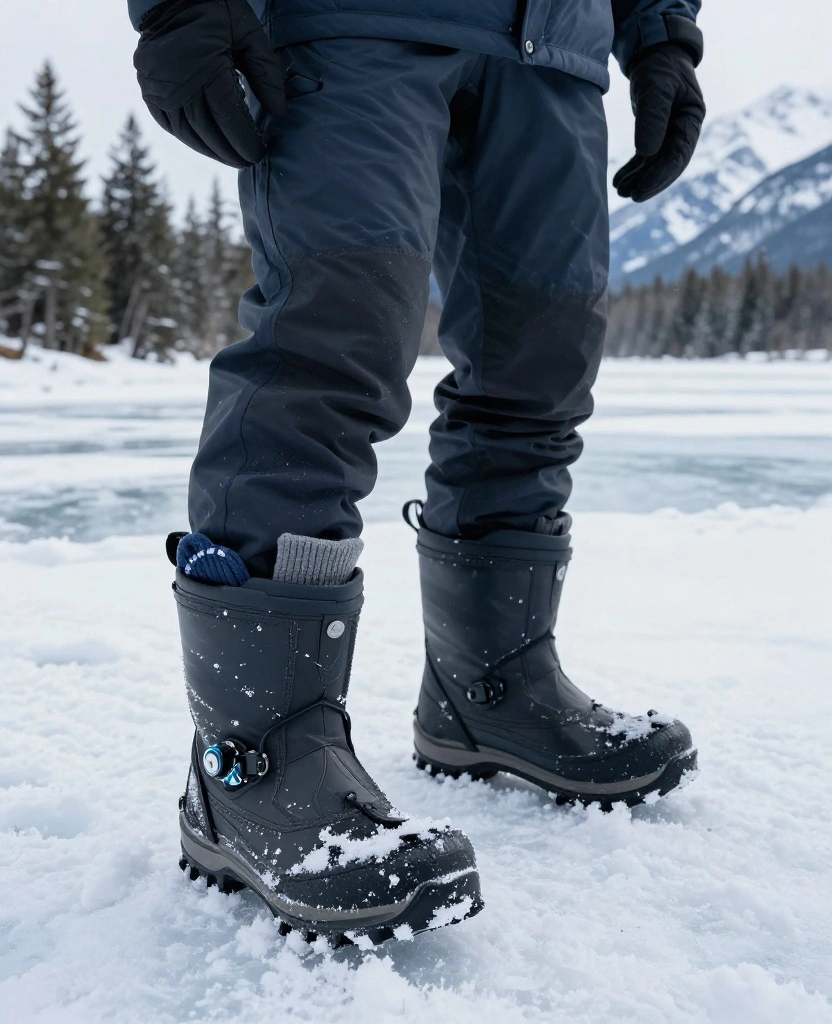
Comfortable feet keep you exploring longer.
Insulated waterproof boots protect against snow, while a deep rubber tread helps you handle packed ice on sidewalks and trails.
This combination works for town errands, frozen lake walks, and scenic stops where you may stand still for several minutes.
Outfit Pieces:
– Waterproof winter boots with insulation above the ankle
– Deep-lug rubber soles for snow and icy paths
– One pair of thick merino or synthetic socks
– Removable liners for overnight drying
– Slip-on traction cleats for polished ice
Styling Tips:
– Wear one quality sock pair instead of several tight layers.
– Leave a small air space around your toes so warmth can circulate.
– Try boots on with the socks you plan to wear in Banff.
– Use traction cleats outdoors, then remove them before entering shops.
– Carry spare socks in a sealed bag if snow may reach your boot tops.
Dry socks matter as much as thick boots.
Match sturdy black or brown footwear with lined pants, and use a boot tray or gentle dryer overnight to protect the materials.
Protect Your Feet With Thick Socks and Traction…
Editor’s Choice

Walk Traction Cleats – 360-Degree Grip on Snow, Ice, & Multi-terrain Sur…
Amazon$19.12
Merino Wool Hiking Socks for Women Men Thermal Winter Warm Thick Cushion…
Amazon$7.58
Women’s Winter Snow Boots: Waterproof Fur-Lined Ankle Booties
Amazon$28.486. Cover Your Head, Neck, and Face From Wind
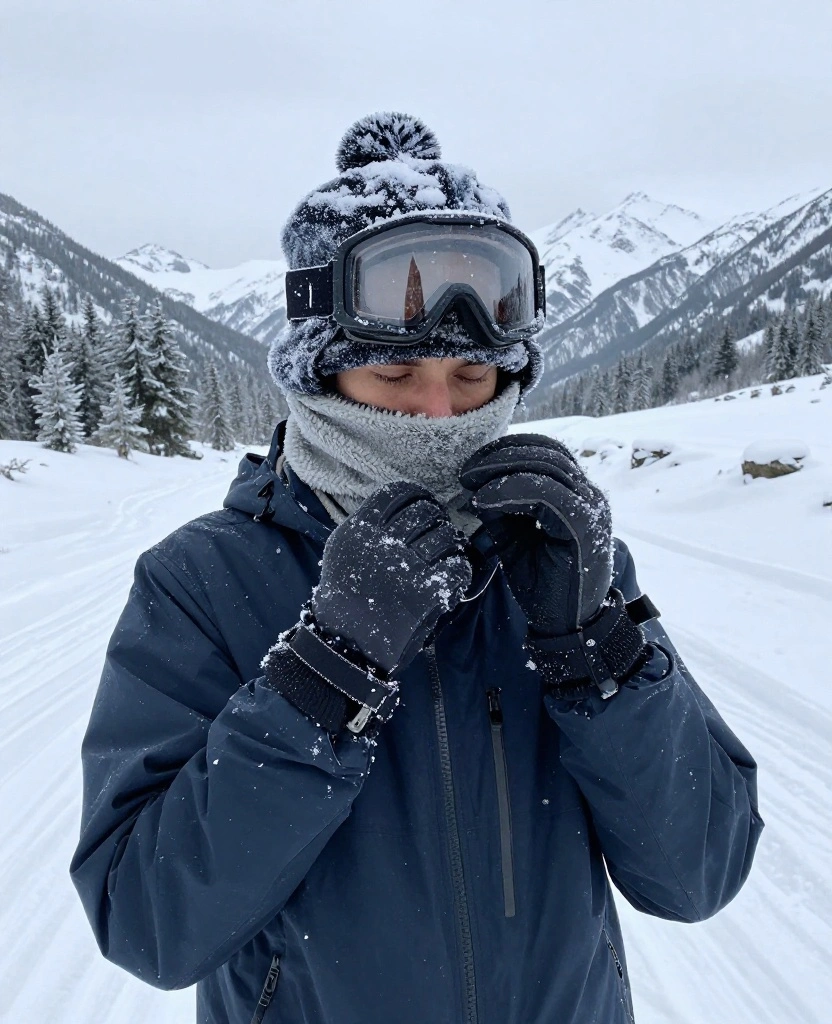
Cold air finds small gaps around your ears, neck, and cheeks.
A warm hat and snug neck covering close those openings before wind steals your comfort.
These simple pieces suit every December plan, from café walks through Banff to exposed viewpoints and ski areas.
Outfit Pieces:
– Wool or fleece beanie that covers both ears
– Fleece neck gaiter in charcoal, cream, or deep red
– Thin balaclava for severe cold
– Ski goggles for blowing snow
– Lip balm and fragrance-free face moisturizer
Styling Tips:
– Choose a low-profile hat that fits beneath your hood.
– Pull the gaiter over your collar rather than leaving a neck gap.
– Use a gaiter instead of a long scarf during active outings.
– Keep scarf ends tucked into your coat so they do not catch on straps.
– Carry a spare dry gaiter for long days in falling snow.
Coordinate your hat and neckwear with your coat for a polished look.
A burgundy beanie adds color to a black parka, while neutral fleece keeps brighter ski clothing balanced.
You might also like


Cover Your Head, Neck, and Face From Wind
Editor’s Choice

DryKnit™ 80% Merino Wool Waterproof Warm Brim Beanie with Ear Flaps
Amazon$30.00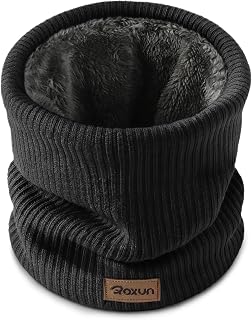
Winter Neck Gaiter, Neck Warmer Cover Ski Gaiters for Men/Women
Amazon$9.99
Fleece Balaclava Hoodie Ski Mask – Wind Resistant Extreme Cold Weather G…
Amazon$12.997. Choose Mittens Over Gloves for Serious Cold
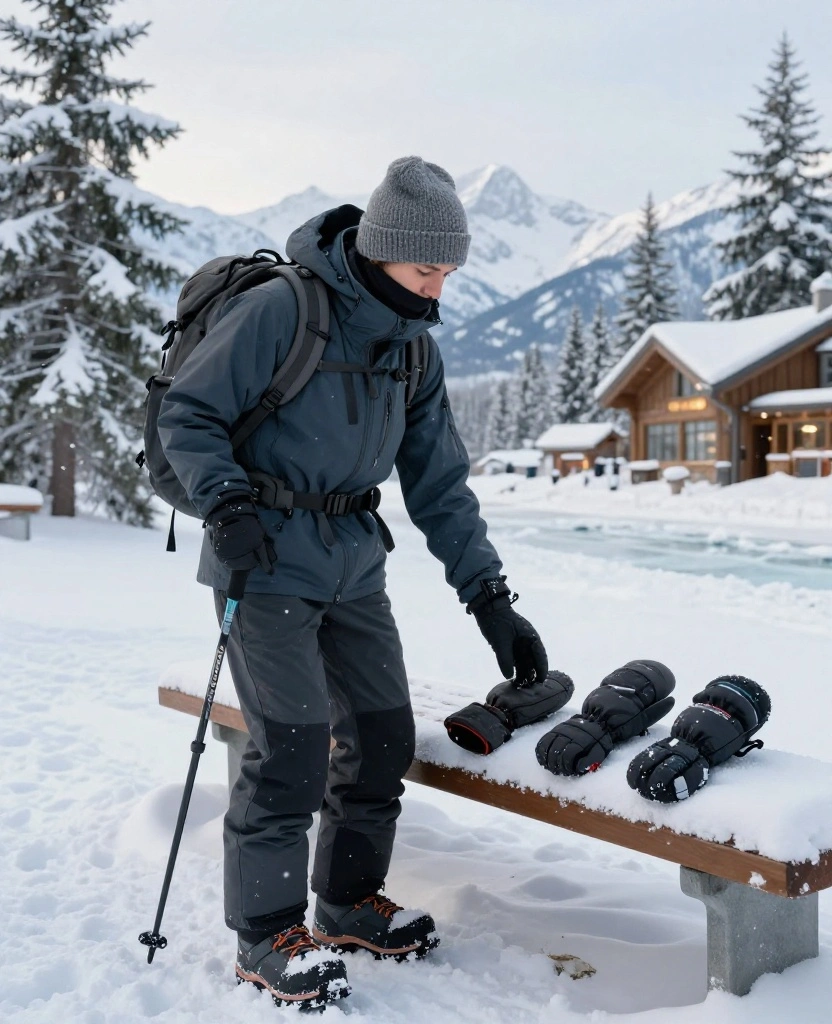
Mittens usually keep hands warmer because your fingers share heat inside one insulated space.
Gloves offer better control for phones, poles, and zippers, so carrying both gives you more choices.
This handwear plan works well for sightseeing, shuttle waits, photography, and long winter walks.
Outfit Pieces:
– Waterproof insulated mittens with long gauntlet cuffs
– Thin merino or synthetic liner gloves
– Touchscreen-compatible gloves for quick phone use
– Wrist straps or clips for chairlift rides
– Hand warmers placed according to package directions
Styling Tips:
– Select mittens with enough room for a liner and a small air pocket.
– Pull gauntlet cuffs over your jacket sleeves to block snow.
– Use liner gloves for camera controls, then cover them with mittens.
– Keep spare handwear inside a waterproof pouch.
– Match glove colors to your boots or hat for a tidy finish.
Choose mittens for cold, quiet activities and gloves for tasks that need precision.
If fingers become numb or pale, go indoors and warm them slowly instead of rubbing them or placing them against a heater.
Choose Mittens Over Gloves for Serious Cold
Editor’s Choice


8. Add Traction Cleats and the Right Snow Gear
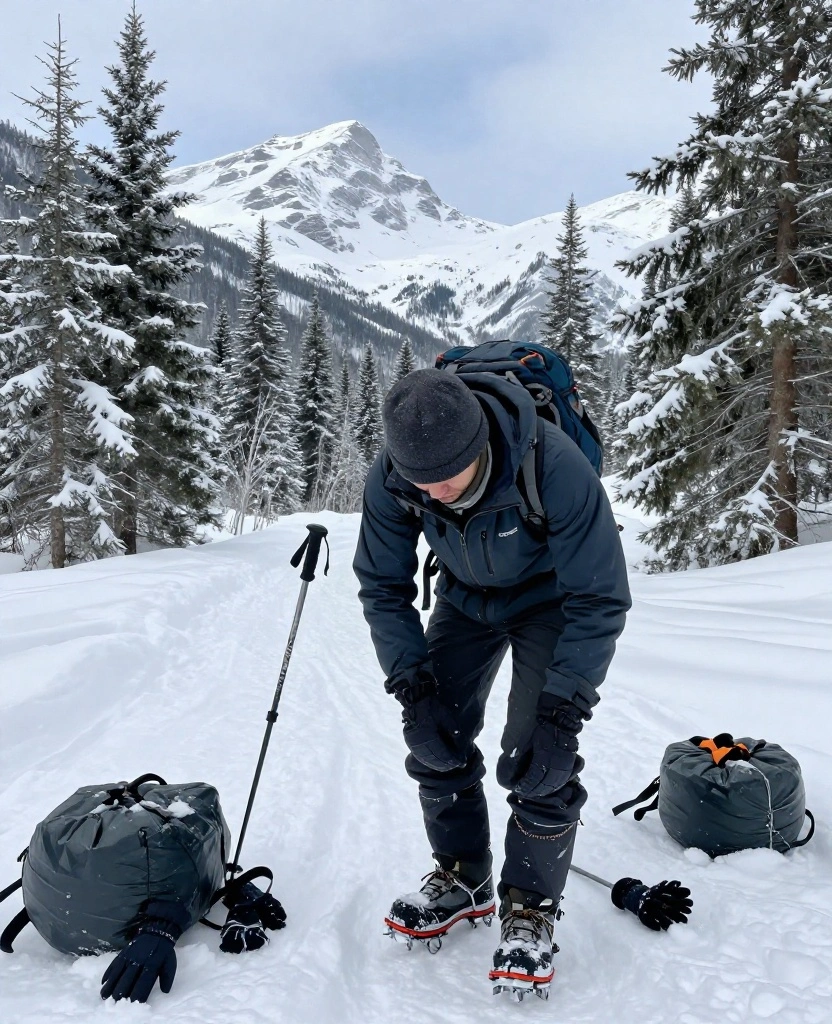
Warm clothing cannot prevent a slip on packed ice.
Traction cleats give winter boots extra grip on sidewalks, lake paths, and easy trails after repeated freezing.
Add a few practical accessories, and you can move with greater confidence during Banff’s snowy December days.
Outfit Pieces:
– Lightweight rubber traction cleats with metal points
– Trekking poles with snow baskets
– Waterproof gaiters for deep powder
– Backpack cover or interior dry bag
– Insulated water bottle and compact headlamp
Styling Tips:
– Choose light traction for town paths and stronger designs for icy trails.
– Test cleats on your actual boots before your first outing.
– Tighten gaiters over the boot collar to stop snow entering.
– Store wet cleats in a small pouch when you go indoors.
– Keep poles adjusted so your elbows bend slightly while walking.
Ask local staff about trail conditions before choosing aggressive traction.
Cleats improve grip, but they do not make every route safe.
Slow down, stay on marked paths, and turn back when ice or visibility becomes difficult.
9. Dress for Wind Chill, Not Just the Thermometer
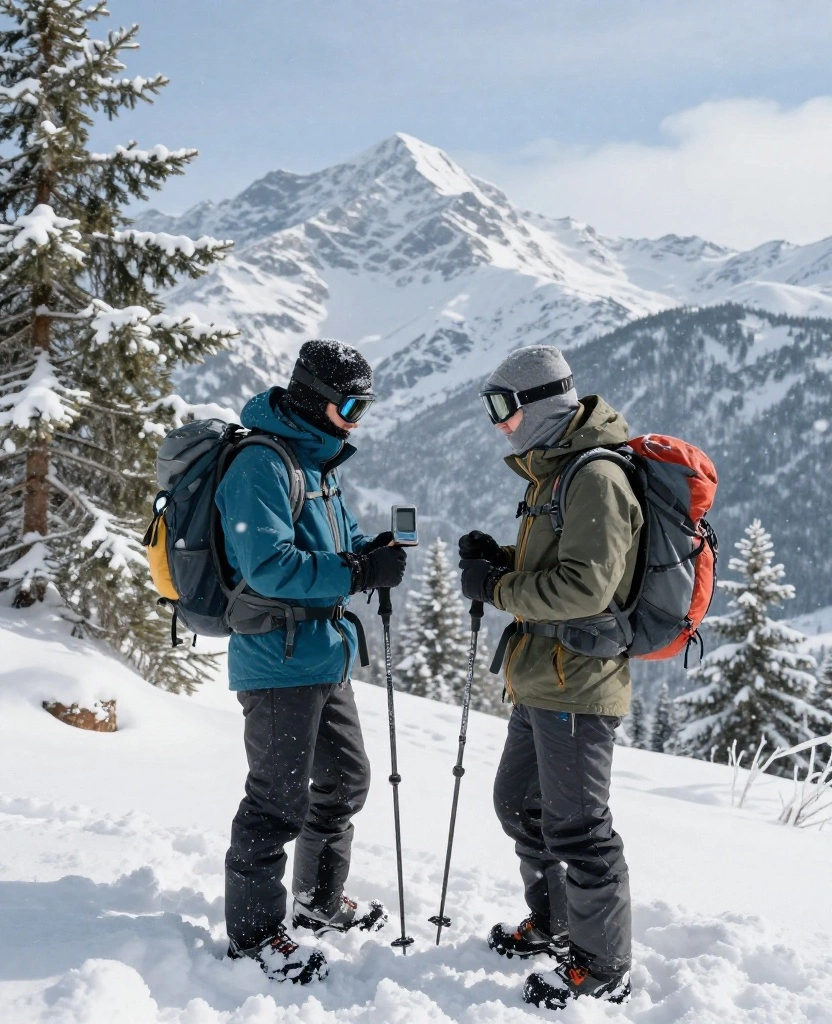
The forecast temperature does not tell the whole winter story.
A calm minus 8°C day may feel easier than a windy minus 3°C afternoon beside an open lake.
Dressing for wind chill helps you stay comfortable at exposed viewpoints, bridges, ski areas, and snowy trail entrances.
Outfit Pieces:
– Close-fitting moisture-wicking base layer
– Breathable fleece or wool insulation
– Windproof shell with a sealed hood and cuffs
– Face covering, warm hat, and insulated mittens
– Insulated pants with waterproof outer fabric
Styling Tips:
– Check wind speed, snowfall, and evening temperatures before dressing.
– Seal the hood, hem, and cuffs before reaching an exposed area.
– Keep hat and mittens in your top backpack pocket.
– Dress for the coldest planned stop, not the warmest morning reading.
– Use zippers to cool down during uphill movement.
Layering gives you control when weather shifts or a Chinook briefly warms the air.
If strong wind develops, choose a shorter town walk with indoor stops instead of forcing a long exposed route.
Dress for Wind Chill, Not Just the Thermometer
Editor’s Choice



10. Match Your Layers to the Activity
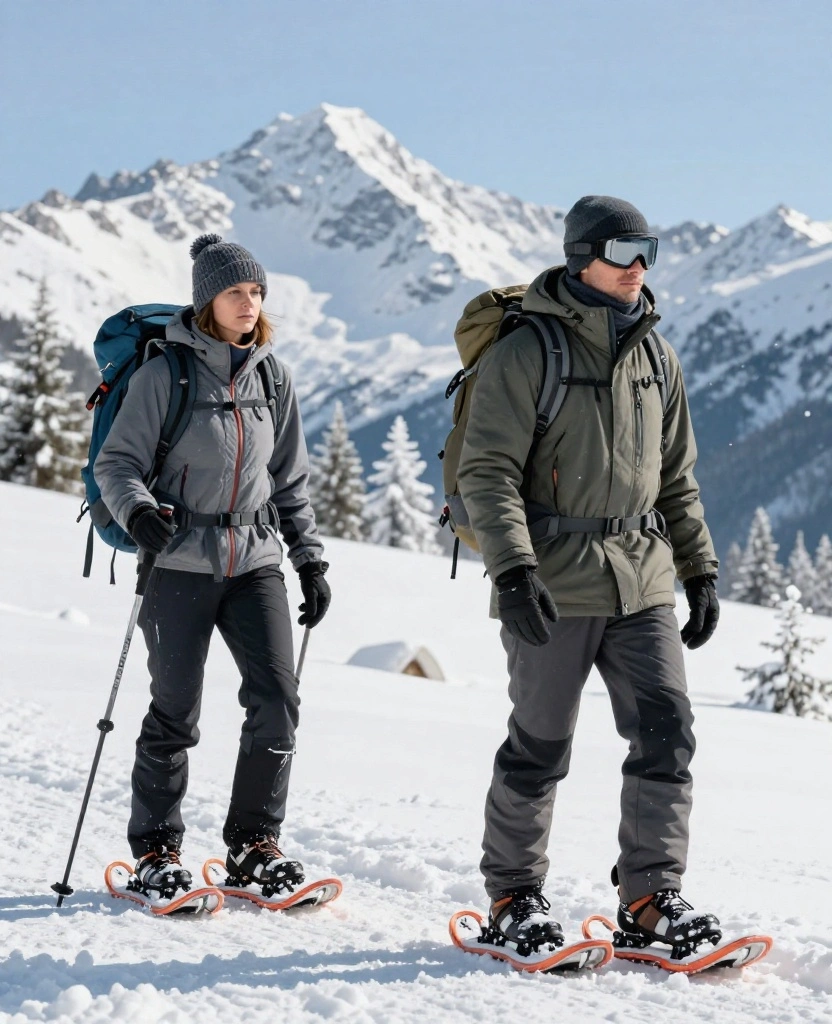
Your body creates different amounts of heat while hiking, skiing, sightseeing, or standing still.
A heavy parka may feel uncomfortable on a snowy climb, while a light jacket may fail during a long photo stop.
Build the same reliable base, then adjust insulation and accessories to match your plans.
Outfit Pieces:
– Merino base and fleece for easy town walks
– Lightweight base, breathable fleece, and shell for hiking
– Puffy jacket for breaks and scenic stops
– Waterproof jacket and pants for skiing or snowshoeing
– Spare gloves, socks, and a dry base top
Styling Tips:
– Start active outings slightly cool so you do not sweat early.
– Pack a puffy where you can reach it during rest stops.
– Choose articulated pants for skiing, climbing, and deep snow.
– Use a helmet-friendly hood and goggles at ski areas.
– Check that shoulders, hips, and knees move freely before leaving.
Use lighter layers for movement and heavier insulation for stillness.
A dry spare shirt can rescue the second half of a hike, especially when your first layer becomes damp from effort.
You Might Also Like
Match Your Layers to the Activity
Editor’s Choice

100% Merino Wool Base Layer Women – Thermal Underwear Set Top & Bottom
Amazon$87.99
Men’s Full Zip Fleece Jacket Lightweight Warm Soft Polar Jackets
Amazon$27.45
Women’s Warm Winter Coat Insulated Snowboarding Jacket
Amazon$15.9911. Plan for Warm Indoor Stops and Wet Gear
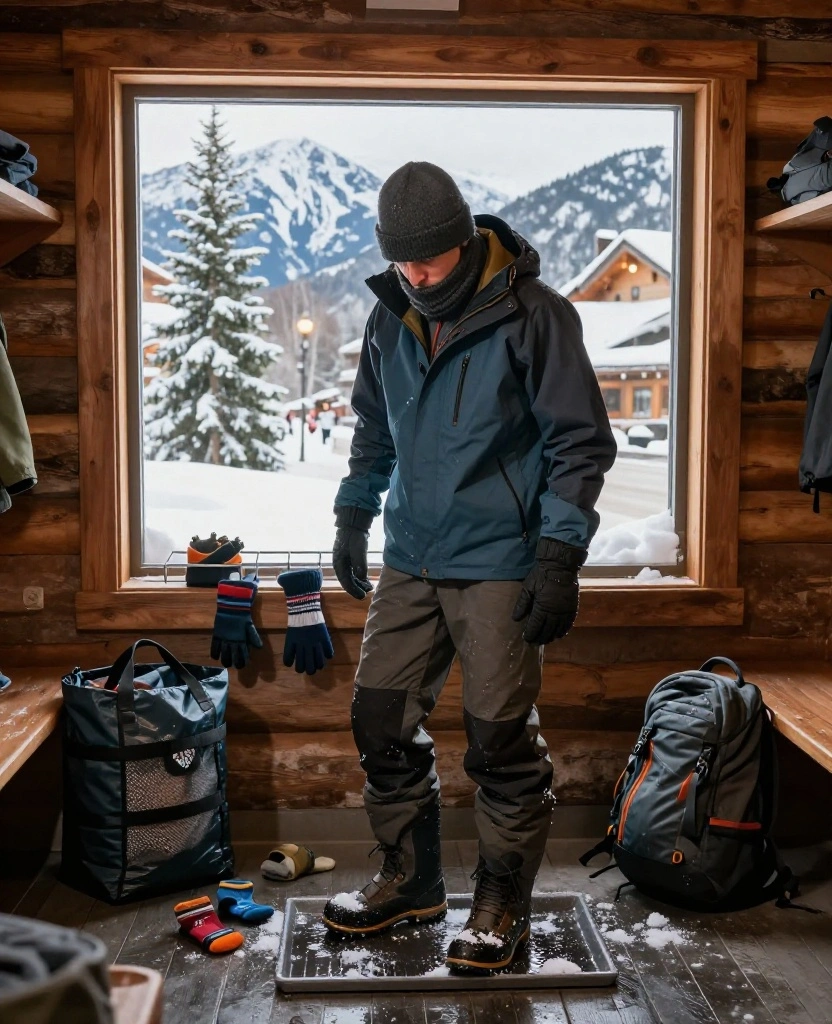
A Banff winter day may shift from freezing streets to a warm café several times.
If you keep every layer on indoors, sweat can dampen your clothes and leave you colder outside later.
Zippers, drying habits, and a small storage bag make these temperature changes easier to manage.
Outfit Pieces:
– Full-zip fleece or puffy jacket
– Waterproof shell that removes easily
– Mesh bag for damp socks and gloves
– Waterproof tote for snowy boots
– Boot tray, drying rack, or absorbent newspaper
Styling Tips:
– Remove your shell first when entering a heated space.
– Unzip the mid-layer and take off your hat before sweating.
– Replace damp gloves with a dry pair before going outside again.
– Hang wet gear where air can circulate instead of sealing it in luggage.
– Keep hat, gloves, and gaiter together in one small pouch.
Never place boots directly against a strong heater because glue, leather, and waterproof membranes can suffer damage.
A quick indoor reset keeps your clothing fresh, dry, and ready for the next snowy walk.
Plan for Warm Indoor Stops and Wet Gear
Editor’s Choice

Tchdio Rubber Boot Tray for Entryway – Heavy Duty Shoe Mat, Mud and Sn…
Amazon$15.99
Genuine U.S. Military Waterproof Wet Weather Bag, Rubberized Nylon Cloth…
Amazon$27.99
12. Pack Warm Backups and a Small Winter Emergency Kit
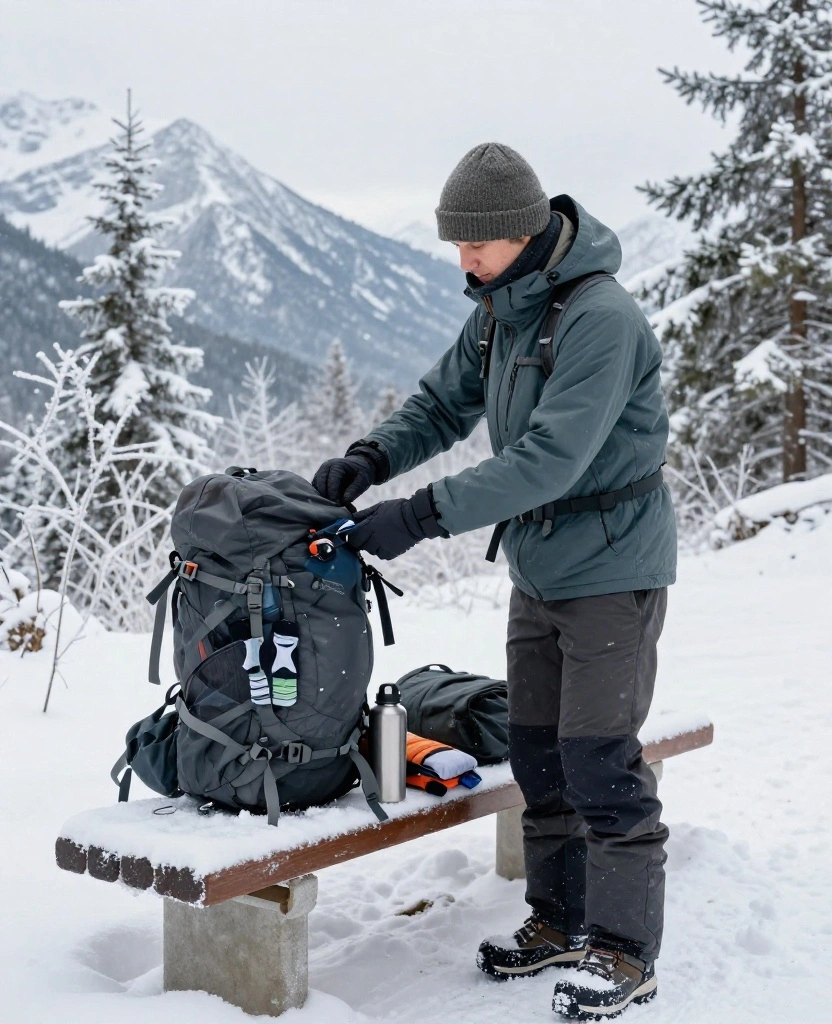
Small delays can turn a short winter outing into hours outside.
A late shuttle, sudden snow shower, or wrong turn feels much easier when you have dry backups.
Pack only the items that solve real problems, and keep them protected from snow and melting ice.
Outfit Pieces:
– Spare merino socks in a sealed waterproof bag
– Lightweight puffy jacket for unexpected stops
– Backup liner gloves and neck gaiter
– Insulated water bottle and high-energy snacks
– Headlamp, phone battery, first-aid kit, and emergency blanket
Styling Tips:
– Keep your hat, mittens, snacks, and hand warmers in the top pocket.
– Store spare clothing inside a dry bag in the main compartment.
– Keep your phone and battery close to your body in cold weather.
– Add a pack cover when snow or wet wind is expected.
– Tell someone your route and return time before longer outings.
Carry offline maps because phone batteries drain quickly in freezing air.
These backups do not support risky plans, but they give you warmth, time, and choices when ordinary winter plans change.
Pack Warm Backups and a Small Winter Emergency Kit
Editor’s Choice

babygoal Wet Dry Bags 3 Pack, Waterproof Reusable Travel Bags for Swimsu…
Amazon$9.99

I Conquered It Lake Agnes Teahouse Trail Banff National Park Stainless S…
Amazon$28.99Conclusion: Warmth Makes the Winter Day Better
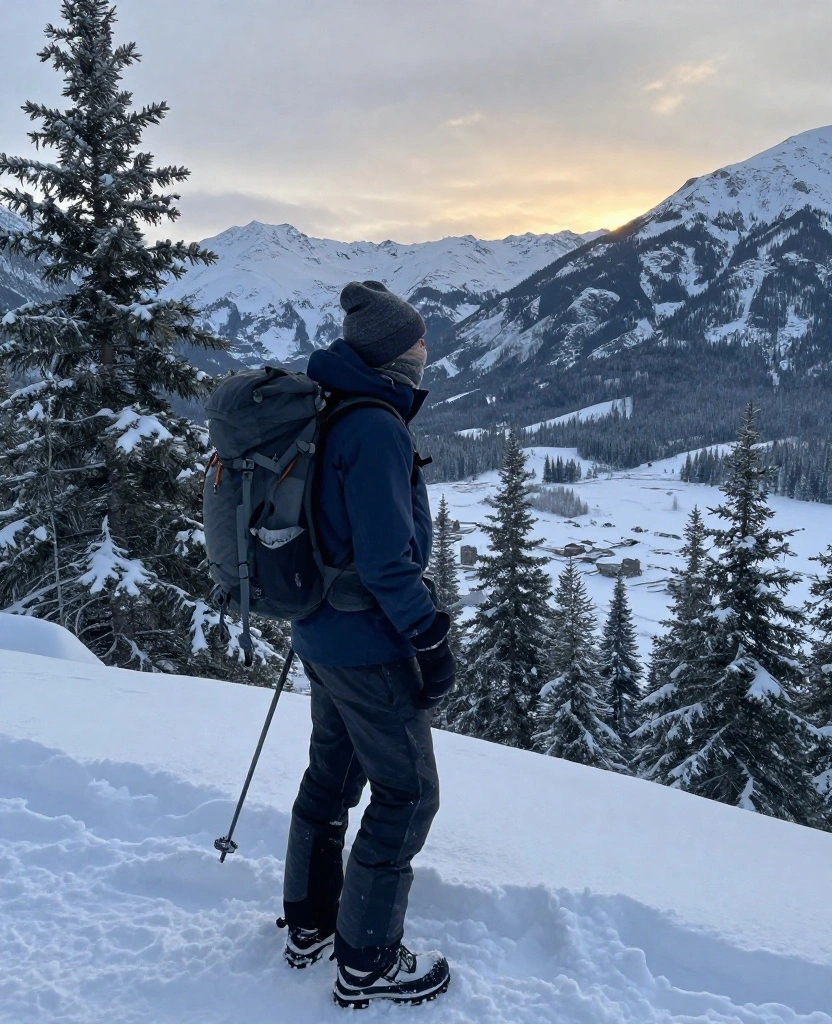
The best Banff December weather clothes work together:
A dry base layer, insulating middle layer, protective shell, warm accessories, insulated boots, and enough backup gear for changing conditions.
Check the forecast, dress for wind as well as temperature, and give yourself permission to adjust the plan when the weather turns rough.
With these winter layering tips in your pack, snowy trails, frozen lakes, and bright mountain streets can feel comfortable instead of stressful.
Which cold-weather item always earns a place in your Banff bag?
Note: We aim to provide accurate product links, but some may occasionally expire or become unavailable.
If this happens, please search directly on Amazon for the product or a suitable alternative.
This post contains Amazon affiliate links, meaning we may earn a small commission if you purchase through our links, at no extra cost to you.
Frequently Asked Questions
Q. What are the best Banff outfit ideas for December?
Thermal base layers, fleece sweaters, insulated parkas, warm winter pants, waterproof snow boots, wool socks, gloves, and a beanie are excellent choices for Banff in December.
Q. What is the Banff December weather like?
Banff is typically very cold and snowy in December, especially during mornings and evenings. Proper insulation and weather-resistant clothing are essential for outdoor activities.
Q. What are the best December packing tips for Banff?
Pack thermal underwear, fleece layers, a warm insulated parka, winter pants, waterproof snow boots, wool socks, gloves, a neck warmer or scarf, and a warm beanie.
Q. What are the best Banff winter outfits for women?
Try a thermal base layer with fleece-lined leggings or winter pants, a heavy puffer jacket, insulated snow boots, wool socks, gloves, and a cozy beanie.
Q. What should I include in a Banff travel wardrobe?
Build your winter wardrobe around moisture-wicking thermal layers, insulating fleece or wool, a windproof insulated coat, waterproof boots, warm pants, and high-quality accessories for snowy mountain conditions.

10 Stylish San Francisco Outfits for August That Will Keep You Cool and Chic!

10 Must-Have San Francisco Outfits for June That’ll Make You the Envy of Every Tourist!

10 Must-Have Outfits for San Francisco in May That Will WOW the Locals!
