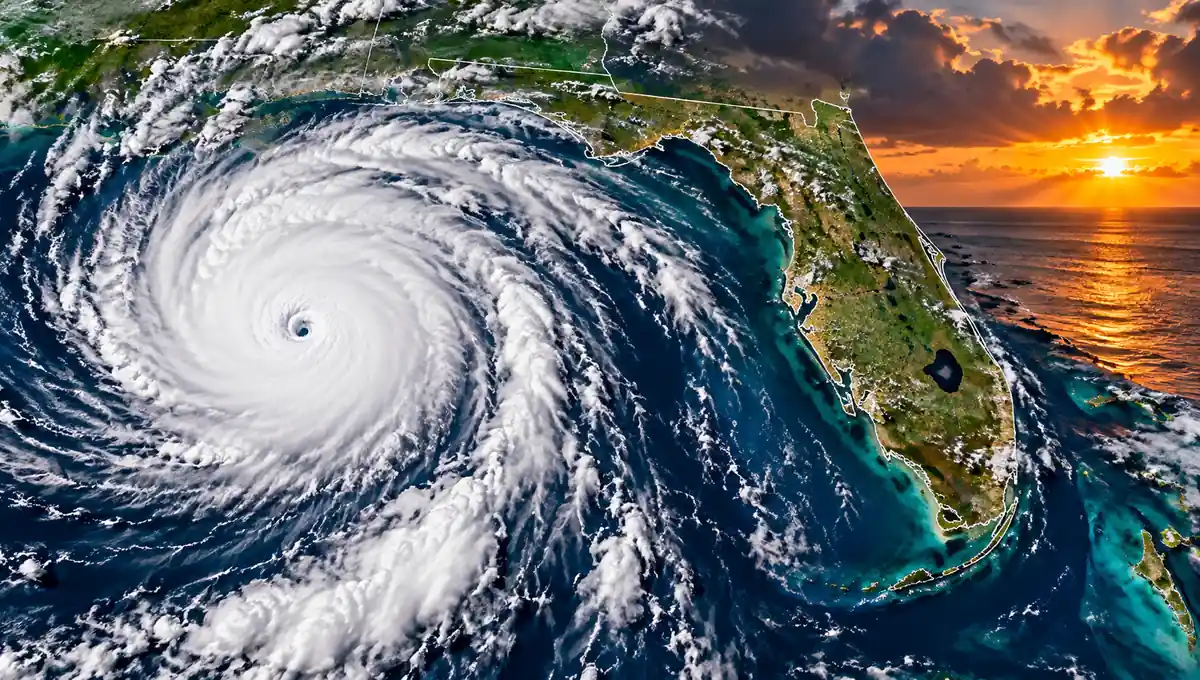
Florida is preparing for a dangerous hurricane, and residents across the Panhandle and Big Bend are being urged to finish their storm preparations.
Governor Ron DeSantis has declared a state of emergency in 25 Florida counties as Hurricane Isaias moves through the Gulf of Mexico toward the northern Gulf Coast.
The storm is expected to bring dangerous coastal flooding, strong winds, heavy rain and possible tornadoes.
And the biggest concern is that some communities could experience serious flooding even if the hurricane makes landfall somewhere else.
Here’s what Florida residents need to know.
Florida’s State of Emergency Covers 25 Counties
Governor DeSantis signed Executive Order 26-202 on October 6, 2026, allowing Florida agencies to prepare emergency resources before the hurricane reaches the coast.
The emergency declaration covers these 25 counties:
- Baker, Bay, Calhoun, Columbia and Dixie
- Escambia, Franklin, Gadsden, Gilchrist and Gulf
- Hamilton, Holmes, Jackson, Jefferson and Lafayette
- Leon, Liberty, Madison, Okaloosa and Santa Rosa
- Suwannee, Taylor, Walton, Wakulla and Washington
The declaration allows state officials to mobilize emergency personnel, position supplies and coordinate response operations.
Being included in the emergency declaration does not automatically mean every resident is under a mandatory evacuation order.
Evacuation instructions are issued separately by local authorities.
Residents should check their county’s emergency management announcements.
How Strong Is Hurricane Isaias Right Now?
According to the National Hurricane Center’s October 8 advisory at 1 PM Central Time, Hurricane Isaias had maximum sustained winds of 85 mph.
That made it a Category 1 hurricane at the time of the advisory.
The storm was moving east-northeast across the Gulf of Mexico at approximately 10 mph.
Forecasters expected additional strengthening before landfall.
Isaias could approach Category 2 intensity, but its final strength and exact landfall location remain subject to change.
The latest forecasts indicate a possible landfall along the northern Gulf Coast late Friday, October 9, or early Saturday, October 10.
The western Florida Panhandle and coastal Alabama are among the areas facing serious threats.
However, residents should not focus only on the center of the forecast track.
Dangerous weather can extend far beyond the point where a hurricane makes landfall.
Storm Surge Is One of the Biggest Threats
For coastal residents, storm surge could be the most dangerous part of Hurricane Isaias.
Storm surge happens when strong hurricane winds push ocean water inland, causing water levels to rise above normally dry ground.
The National Hurricane Center has issued storm surge warnings along portions of the northern Gulf Coast, including parts of Florida.
Some locations could experience several feet of water above normally dry ground.
Storm surge is especially dangerous in low-lying coastal communities, near bays and along tidal waterways.
Even areas that do not experience the strongest hurricane winds can suffer serious coastal flooding.
If local officials order an evacuation, leave as directed. Do not wait until water reaches your street.
Heavy Rain Could Cause Flash Flooding
Storm surge isn’t the only flooding concern.
Hurricane Isaias is also expected to bring heavy rainfall across parts of the Gulf Coast and inland Southeast.
Some locations could receive several inches of rain, with locally higher totals.
That raises the risk of flash flooding, particularly in areas where the ground is already saturated.
Roads that appear safe can become flooded quickly.
Drivers should never attempt to cross a flooded roadway.
It is impossible to know how deep the water is or whether the road underneath has been damaged.
Strong Winds and Tornadoes Are Also Possible
Hurricane-force winds can damage roofs, knock down trees and power lines, and cause widespread electricity outages.
The storm may also produce isolated tornadoes.
Tornadoes associated with tropical systems can develop quickly and may occur well away from the hurricane’s center.
Residents should have more than one way to receive weather warnings, especially overnight.
A charged phone, weather radio and backup battery can make a major difference during a power outage.
Florida Is Positioning Emergency Supplies
Florida’s State Emergency Response Team has started positioning resources in preparation for the storm.
According to the Governor’s Office, supplies are being staged in the Tallahassee and Santa Rosa areas.
These include generators, fuel, boxed drinking water, shelf-stable meals, flood barriers, sandbags and other emergency equipment.
The goal is to make it easier for crews to respond quickly after the storm passes.
But emergency supplies do not eliminate the need for households to prepare.
Residents in threatened areas should make sure they have enough essential supplies to get through possible disruptions.
What About Evacuation Orders?
This is where residents need to pay particularly close attention.
A statewide emergency declaration and a local evacuation order are two different things.
The state declaration covers 25 counties.
But individual counties may issue evacuation instructions for specific coastal neighborhoods, flood zones, mobile homes or other vulnerable areas.
Those instructions can change as the storm approaches.
Residents should check official county alerts rather than relying on social media rumors.
Anyone who needs additional time to evacuate because of mobility, medical or transportation needs should contact local emergency management officials as early as possible.
What Florida Residents Should Do Before the Storm
If you’re in the hurricane’s potential path, there are several important steps to take.
Check your evacuation zone. Know whether your home is in an area where officials may order an evacuation.
Charge your devices. Charge phones, portable batteries and other essential equipment.
Prepare drinking water and food. Keep enough supplies available in case electricity or water service is disrupted.
Review medications. Make sure you have essential prescriptions and contact your pharmacy if you need an emergency refill.
Secure outdoor items. Bring in patio furniture, decorations and other loose objects that could become dangerous in strong winds.
Protect important documents. Keep identification, insurance information and medical records in a waterproof container.
Plan for pets. Include food, water, medications and transportation arrangements for animals.
Check on neighbors. Older adults and people with disabilities may need additional help preparing.
Most importantly, follow instructions from local emergency officials.
Will Hurricane Isaias Affect Travel in Florida?
Travelers should prepare for possible disruptions across the Florida Panhandle and northern Gulf Coast.
Depending on the storm’s track and local conditions, impacts could include flight delays, road closures, flooding and interruptions to public transportation.
Airports and transportation operators may change their schedules as conditions worsen.
Travelers with upcoming flights or hotel reservations should check directly with their airline, accommodation provider or transportation company.
Anyone planning to drive through the affected region should monitor road conditions and avoid unnecessary travel during the storm.
Where to Find Official Hurricane Updates
Because hurricane forecasts can change quickly, residents should use official sources for the latest information.
National Hurricane Center: https://www.nhc.noaa.gov/
For current storm intensity, forecast tracks, hurricane warnings and storm surge information.
Florida Division of Emergency Management: https://www.floridadisaster.org/
For statewide emergency information and preparedness resources.
Florida 511: https://fl511.com/
For traffic conditions and roadway information.
Florida State Assistance Information Line: 1-800-342-3557
For state assistance information. Call 911 for immediate life-threatening emergencies.
County emergency management websites should be used for local evacuation orders, shelters and community-specific instructions.
The Bottom Line
Florida has declared a state of emergency across 25 counties as Hurricane Isaias approaches the northern Gulf Coast.
The hurricane had sustained winds of 85 mph in the National Hurricane Center’s October 8 afternoon advisory, with additional strengthening possible.
A late Friday or early Saturday landfall is forecast, but the exact location and intensity could still change.
The greatest concerns include storm surge, destructive winds, flash flooding and possible tornadoes.
For residents of the Florida Panhandle and Big Bend, the most important thing now is to finish preparations, follow local emergency instructions and stay informed through official weather updates.
Do not wait for the hurricane to make landfall before taking warnings seriously.
7 Florida Law Changes Starting This Week — Here’s What Residents Should Know

North Miami Beach Turns 100 — And It’s Throwing a Huge Free Festival This Saturday
Powerful Earthquake Shakes Southern Peru as USGS and IGP Report Different Magnitudes
