Jasper in December feels like a breathtaking winter escape, with snow-covered mountains, frozen landscapes, and crisp alpine air.
When planning what to wear in Jasper in December, I focus on reliable layers that keep me warm during outdoor adventures while still feeling comfortable around town.
Think thermal base layers, fleece sweaters, insulated parkas, winter pants, waterproof boots, wool socks, gloves, and cozy hats.
In this guide, I’ll share 13 stylish Jasper outfit ideas, winter packing tips, and practical looks for your Canadian mountain adventure.
1. Start With a Moisture-Wicking Merino Base Layer
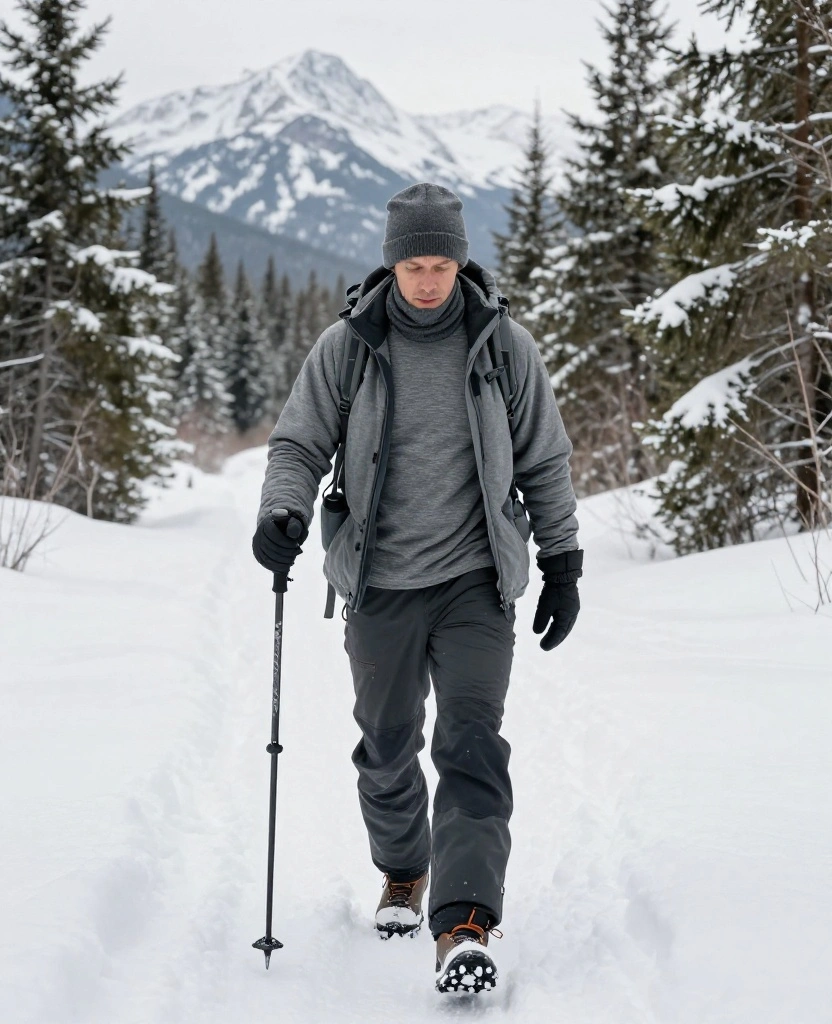
A damp shirt can make a cold hike feel miserable, even when the sun is shining.
A close-fitting merino or synthetic base layer moves sweat away from your skin while keeping a light layer of warmth close to your body.
It works especially well on Jasper trails where a steady climb can quickly turn into a windy rest stop.
Outfit Pieces:
– Medium-weight merino long-sleeve shirt in charcoal, navy, or forest green
– Synthetic polyester or nylon top for heavy sweaters
– Crew neck or short zip collar with a slightly longer back hem
– Flat seams and soft cuffs to reduce rubbing under backpack straps
– Optional spare base layer for long routes or overnight stays
Styling Tips:
– Choose a snug fit that lets you raise both arms without pulling across your shoulders.
– Tuck the lower hem into your thermal leggings to block cold air when bending forward.
– Pick a zip collar if you often overheat on uphill sections.
– Avoid cotton because it holds sweat and dries slowly during breaks.
– Keep your spare shirt in a waterproof bag near the top of your pack.
This layer suits forest walks, snowy viewpoints, and full-day routes.
Add a fleece over it when the air turns sharp, or wear a lighter synthetic shirt during faster climbs.
📹 Related Video: Smartwool Merino vs Patagonia Capilene | Which Base layer is for you’?
Start With a Moisture-Wicking Merino Base Layer
Editor’s Choice

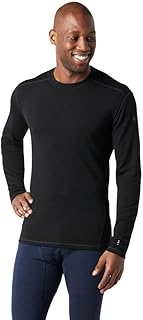
Womens 200 Oasis Long Sleeve Thermal Cold Weather Base Layer T-Shirt
 Amazon$120.00
2. Add Thermal Leggings for Warm, Flexible Movement
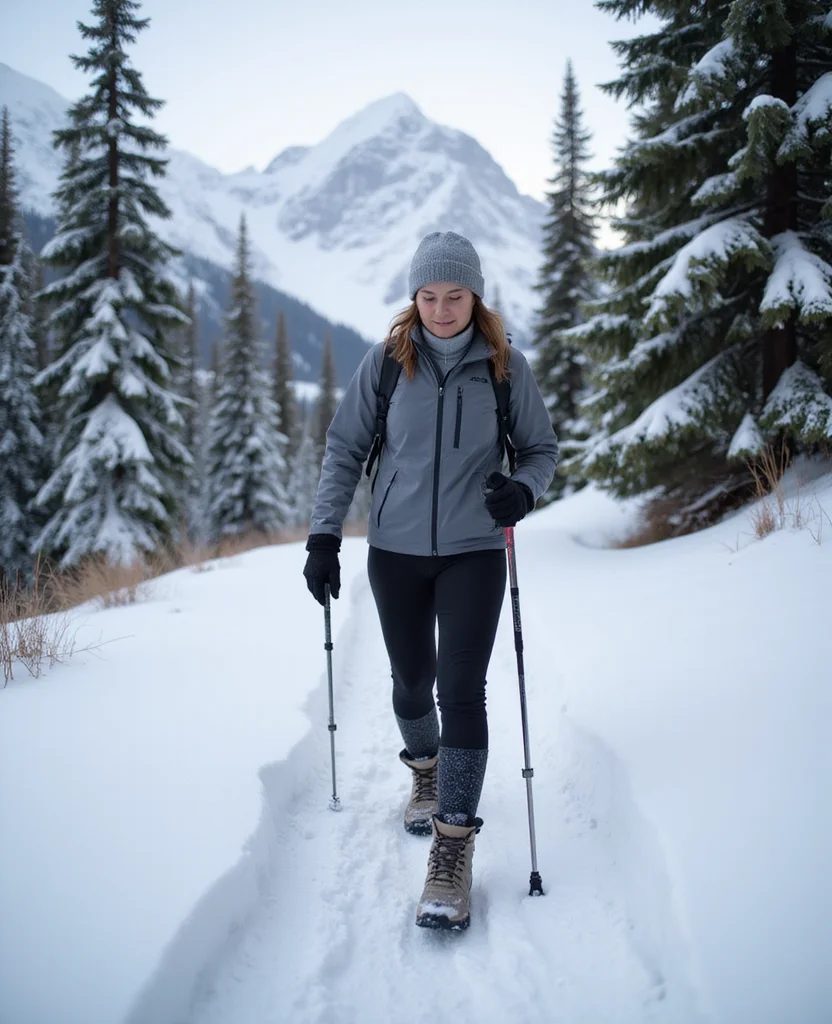
Cold legs can drain your comfort quickly when you stop beside a frozen lake or cross an exposed ridge.
Thermal leggings add steady warmth under hiking pants without making your stride stiff or bulky.
They shine on December trails because they keep moving joints warm while still allowing high steps through snow.
Outfit Pieces:
– Medium-weight merino leggings in black, deep gray, or dark brown
– Synthetic fleece-lined leggings for colder forecasts
– Wide, soft waistband that sits comfortably beneath a hip belt
– Full-length legs that meet the tops of your hiking socks
– Optional heavier pair for slow routes, deep snow, or long photo stops
Styling Tips:
– Smooth the fabric over your knees before pulling on winter pants.
– Choose moderate warmth for steep hikes, then add a heavier pair only when needed.
– Check that the ankle does not bunch inside boots or interfere with gaiters.
– Match dark leggings with lighter gray or olive pants for a clean layered look.
– Leave enough room at the waist for comfortable breathing under your pack.
Thermal leggings work for active climbs, snowshoe trips, and quiet breaks.
Swap a fleece-lined pair for a lighter blend on sunny days, or add waterproof over-pants when wet snow begins falling.
Add Thermal Leggings for Warm, Flexible Movement
Editor’s Choice

baleaf Women’s Fleece Lined Leggings Thermal Warm Tights Cold Weather
AmazonEUR 23.00
Women’s Fleece Lined Leggings Tights Water Resistant Hiking Pants
Amazon$19.99
Also Read: What to Wear in Banff in December?
3. Use a Fleece or Grid Mid-Layer to Hold Warmth
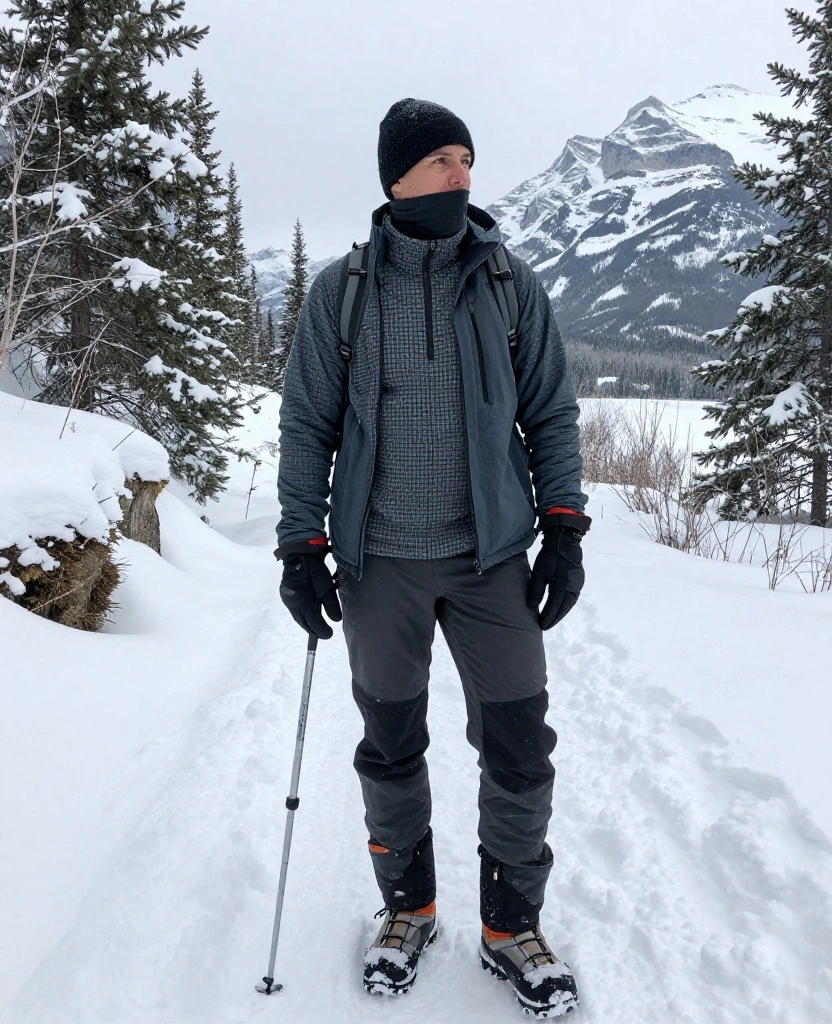
Your mid-layer provides the main warmth you use while walking.
Fleece and grid fleece trap small pockets of air without feeling heavy, while their breathable texture helps release heat during uphill travel.
This layer is ideal for sheltered forests, rolling trails, and any section where a large insulated coat would feel too warm.
Outfit Pieces:
– Full-zip grid fleece in charcoal, rust, or dark teal
– Classic fleece pullover with a high collar
– Wool-blend sweater for extra softness and odor control
– Thumb loops to keep sleeves in place beneath gloves
– Zipped chest or hand pockets for lip balm and hand warmers
Styling Tips:
– Leave the front zip partly open during climbs and close it before exposed sections.
– Choose a smooth outer face so the fleece slides easily under your shell.
– Keep the hem below your waist belt without letting it bunch underneath.
– Use a high collar to cover the base of your neck when your gaiter shifts.
– Pick enough room for your base layer, but avoid a loose fit that loses warm air.
Wear this layer alone in calm forest conditions, then add insulation for stops or ridges.
A full zip gives you more control than one thick sweater and packs neatly when the afternoon warms.
Use a Fleece or Grid Mid-Layer to Hold Warmth
Editor’s Choice


Irish Men’s Hooded Kangaroo Pocket Wool Sweater (K3084)
Amazon$164.954. Carry an Insulated Jacket for Stops and Exposed Ridges
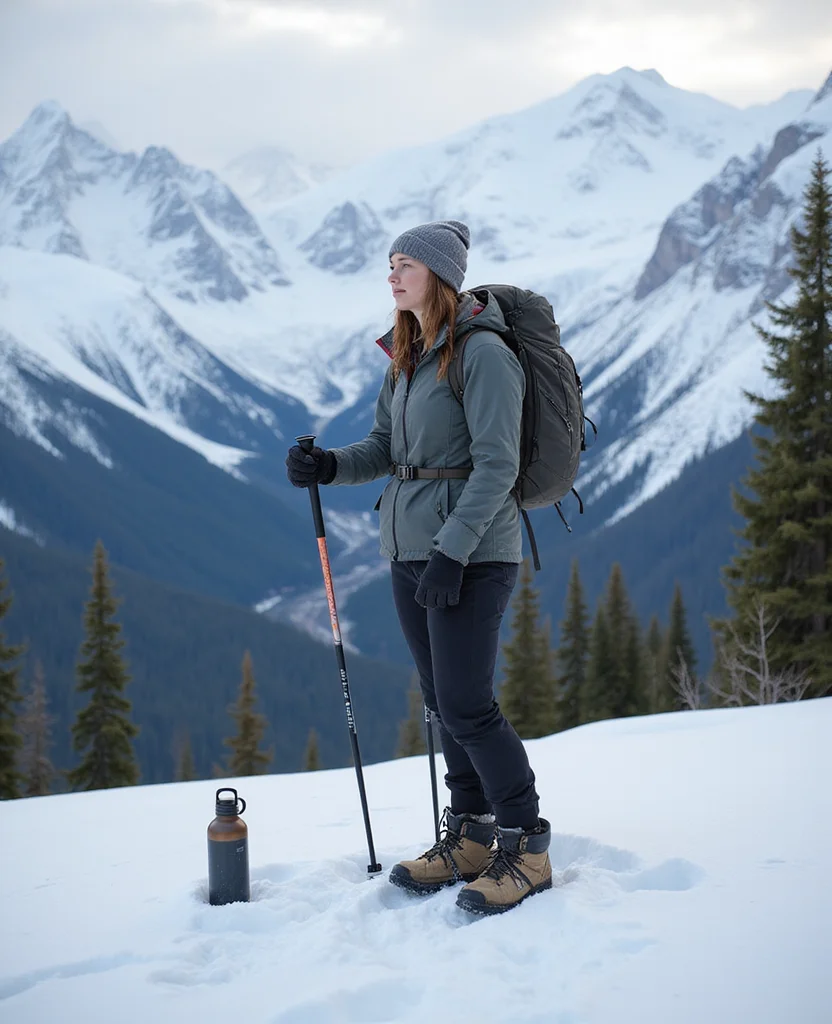
An insulated jacket protects the warmth you build while hiking, especially when you stop moving.
Down gives excellent warmth with little weight in cold, dry weather, while synthetic fill performs better around damp snow.
This layer earns its place during lunch breaks, photo stops, and exposed viewpoints where wind quickly cuts through fleece.
Outfit Pieces:
– Lightweight down jacket with a fitted hood for dry conditions
– Synthetic insulated jacket in wet snow or freezing drizzle
– Slightly longer back hem for seated breaks
– Elastic cuffs and a drawcord waist to block drafts
– Waterproof stuff sack for storage inside your daypack
Styling Tips:
– Try the jacket over your fleece while wearing your full backpack.
– Put it on before you start shivering, not after your body feels chilled.
– Keep it near the top of your pack for quick access.
– Choose a bright color such as orange or blue for better visibility in snowfall.
– Leave enough space across the chest for movement, but avoid large gaps at the hem.
Use this piece while resting, checking maps, or crossing windy ridges.
Choose down when pack space matters, or swap in synthetic insulation for wet routes and frequent snow contact.
Carry an Insulated Jacket for Stops and Exposed…
Editor’s Choice


Women’s Lightweight Packable Down Jacket Quilted Puffer Coat with Stand …
Amazon$75.995. Finish Your Core With a Waterproof Windproof Shell
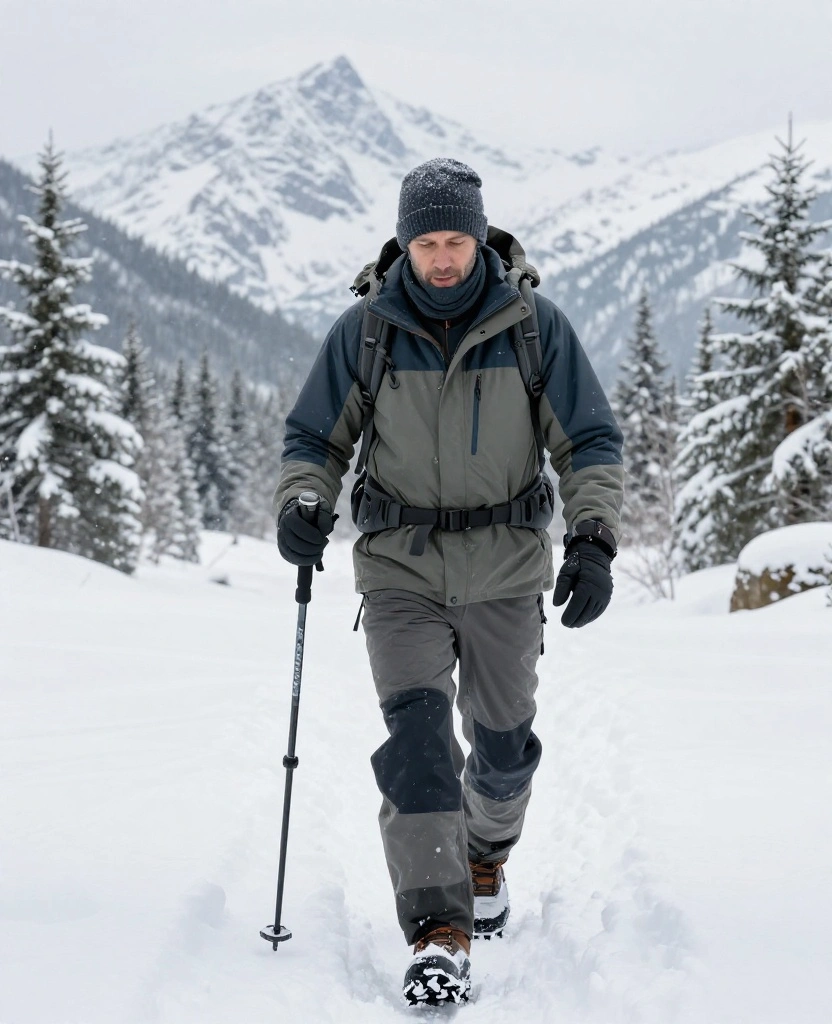
Snow and wind can defeat warm layers if your outer jacket lets moisture reach them.
A breathable waterproof shell blocks the weather while giving sweat a way out, making it useful on exposed slopes, snowy forest paths, and changing December conditions.
Its job is protection, not bulk.
Outfit Pieces:
– Waterproof shell jacket with sealed seams in red, yellow, blue, or black
– Adjustable hood that fits over a beanie
– Underarm vents or a two-way front zipper
– Adjustable cuffs that close over glove sleeves
– Drawcord hem with enough length to cover your lower back
Styling Tips:
– Test the shell over both your fleece and insulated jacket before hiking.
– Open the front or vents early when you feel sweat building on a climb.
– Close the cuffs and hem before entering wind or falling snow.
– Choose a hood that turns with your head and does not cover side vision.
– Match a bright shell with simple dark pants for easy visibility and balance.
Wear it over your full layering system on windy ridges or wet trails.
In dry forest sections, leave the zipper partly open, then close it quickly when snow starts landing on your shoulders.
Finish Your Core With a Waterproof Windproof Shell
Editor’s Choice


6. Choose Winter Hiking Pants That Block Snow and Wind
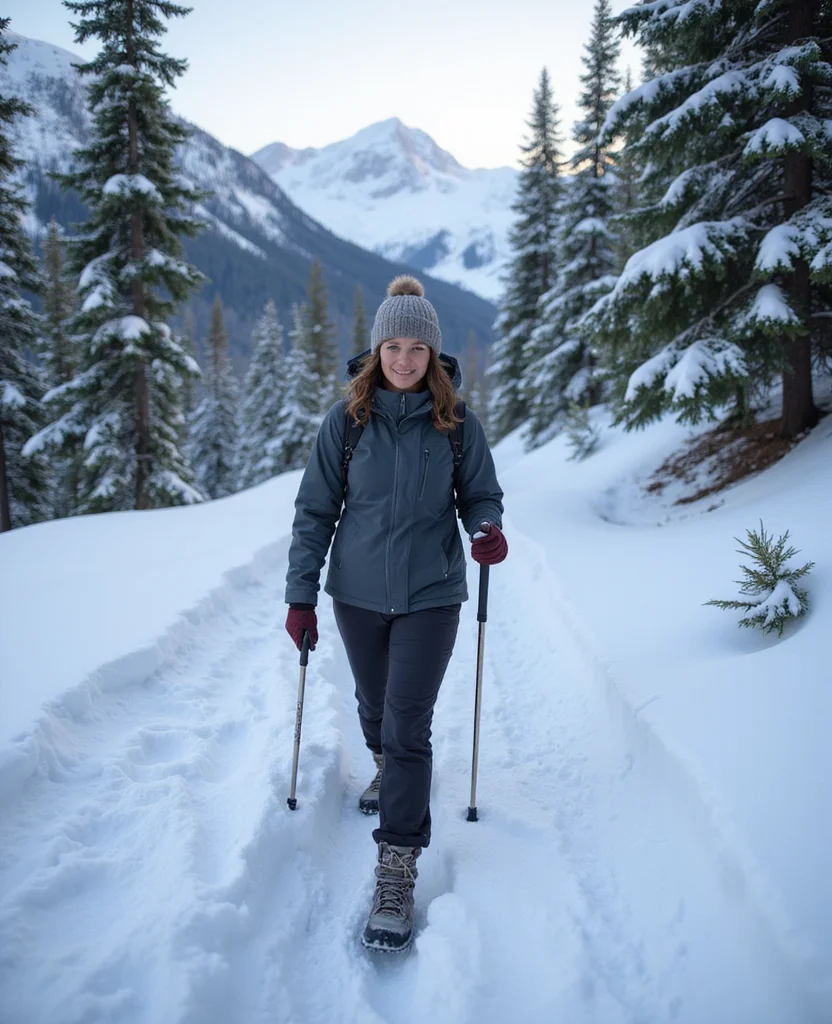
Thin leggings, jeans, and casual trousers offer little help against wind-driven snow.
Winter hiking pants protect your legs while giving you enough stretch for roots, steps, and snowshoes.
Soft-shell pants work well for active hikes, while waterproof over-pants add coverage during wet storms and deep snow.
Outfit Pieces:
– Stretch soft-shell pants in black, olive, navy, or charcoal
– Thermal leggings worn underneath for extra warmth
– Reinforced knees and lower legs for rough winter use
– Zipped ankles that fit over insulated boots
– Waterproof over-pants for wet snow or exposed ridges
Styling Tips:
– Select a fitted but flexible cut that will not catch on poles or snowshoes.
– Check that the waistband sits smoothly beneath your pack hip belt.
– Test every pocket with gloves before starting the hike.
– Use gaiters or ankle zippers to close the gap above your boots.
– Choose darker lower legs if you want to hide slush marks and trail dirt.
These pants suit packed forest trails, snowshoe routes, and windy mountain paths.
Add thermal leggings for deep cold, or carry over-pants so you can respond to wet snow without changing your base layer.
You might also like


Choose Winter Hiking Pants That Block Snow and …
Editor’s Choice

Mens Snow Ski Waterproof Softshell Snowboard Pants Outdoor Hiking Fleece…
Amazon$43.99
Leg Gaiters, 1000D Waterproof Boot Gaiters for Hiking Snow Hunting
Amazon$19.99
Thermal Underwear for Men – Long Johns Bottom Fleece Lined Base Layer Pants
Amazon$9.997. Protect Your Neck With a Warm Gaiter
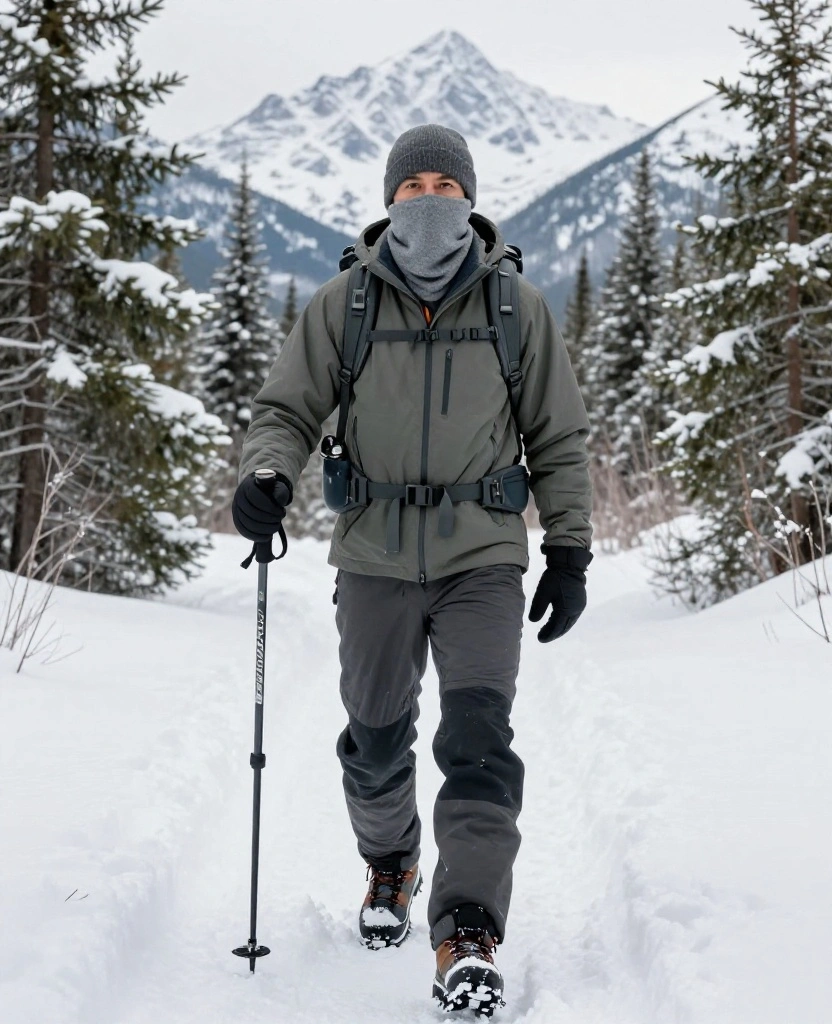
Cold air often slips through the small opening between your jacket, hat, and skin.
A soft neck gaiter closes that gap without the loose ends of a scarf, so it stays comfortable under pack straps and trekking poles.
It is especially useful on windy ridges, shaded trails, and snowy viewpoints.
Outfit Pieces:
– Merino gaiter in charcoal, cream, or deep green
– Fleece gaiter for longer stops and colder air
– Lightweight synthetic gaiter for active uphill travel
– Optional windproof front panel for exposed trails
– Spare gaiter stored in a dry jacket pocket
Styling Tips:
– Wear it loosely around your neck while climbing to release heat.
– Pull it over your cheeks and nose when wind becomes painful.
– Tuck the lower edge inside your fleece to stop drafts.
– Layer it beneath your shell collar and over your base-layer neckline.
– Choose a color that connects with your hat, gloves, or jacket accents.
A gaiter works for casual walks, full-day hikes, and snowshoe outings.
Swap fleece for merino when you want less bulk, or carry a spare if breath makes the first one damp during a long cold day.
Protect Your Neck With a Warm Gaiter
Editor’s Choice

100% Merino Wool Neck Gaiter Men Women Winter Ski Face Mask Scarf
Amazon$14.24
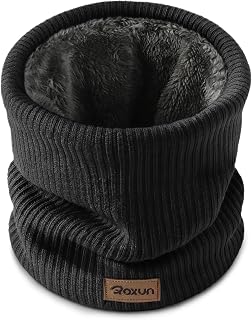
Winter Neck Gaiter, Neck Warmer Cover Ski Gaiters for Men/Women
Amazon$9.998. Wear a Beanie That Covers Your Ears
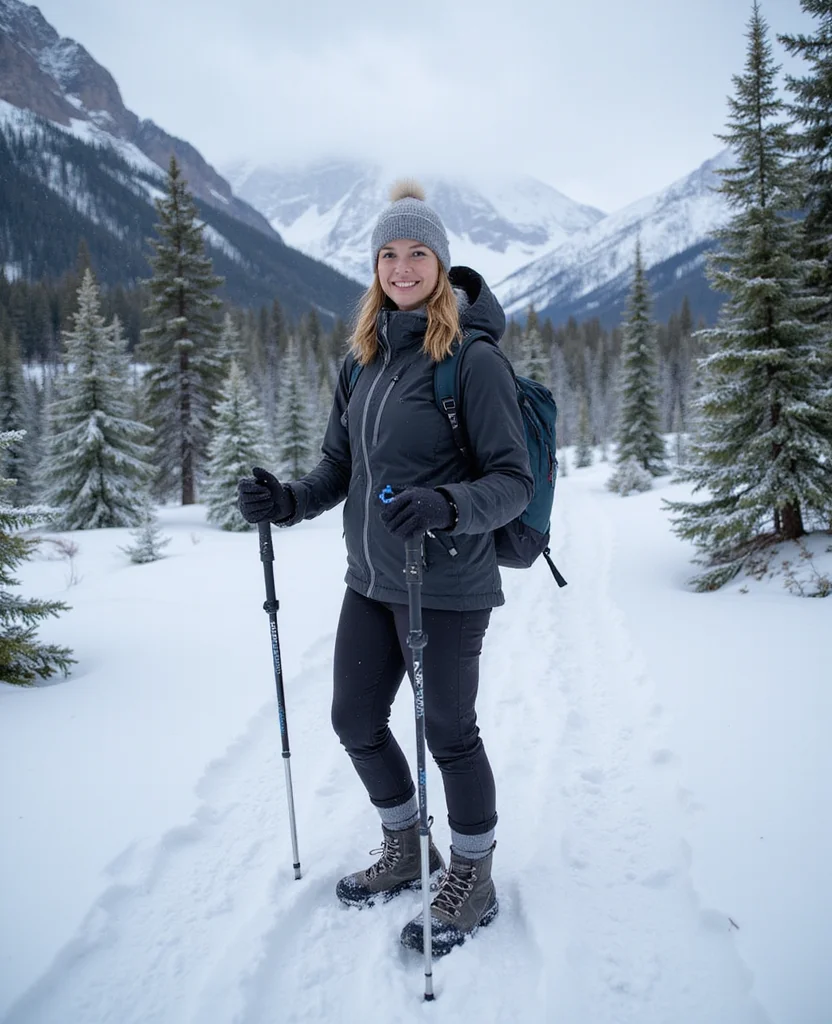
A cold forehead or exposed ears can make the whole hike feel harsher.
A close-fitting beanie adds comfort without taking much space, and it works beneath a shell hood during snowfall.
Choose a thin style for climbing and a warmer fleece-lined option for breaks at viewpoints or frozen lakes.
Outfit Pieces:
– Merino beanie with full ear coverage in gray, navy, or burgundy
– Fleece-lined hat for windy stops
– Low-profile folded cuff that fits beneath a hood
– Quick-drying synthetic blend for damp snowfall
– Optional lighter spare hat for high-effort climbs
Styling Tips:
– Pull the lower edge over both ears without covering important trail sounds.
– Avoid a tall cuff that presses against your hood or leaves side gaps.
– Remove the hat briefly during steep climbs if sweat begins to build.
– Store a damp beanie inside your jacket so body heat can dry it slowly.
– Match the hat with your gaiter for a tidy, warm frame around your face.
This simple layer suits every Jasper winter setting, from easy walks to exposed summits.
Use a thin merino hat for movement, then switch to fleece for long stops when the wind becomes sharper.
Wear a Beanie That Covers Your Ears
Editor’s Choice

DryKnit™ 80% Merino Wool Waterproof Ear Flap Beanie M/L/XL
Amazon$19.99

Merino Wool Beanie Hat for Men Women – Thermal Knitted Winter Hat for La…
Amazon$9.999. Bring Insulated Gloves Plus a Thin Liner Pair
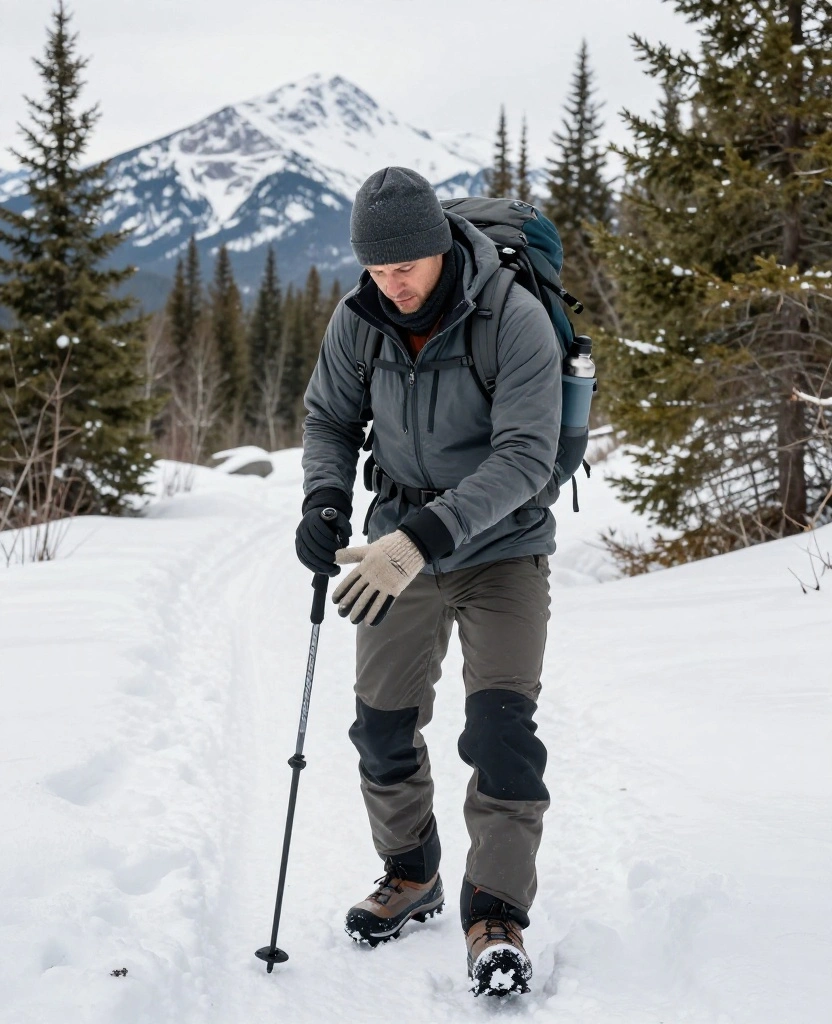
Your hands need warmth and dexterity at the same time.
Thin liners help you adjust straps, open pockets, and check your phone, while insulated gloves or mitts protect your fingers during slow sections.
This combination works well on snowy climbs, map checks, and long pauses in falling snow.
Outfit Pieces:
– Merino or synthetic liner gloves in black or dark gray
– Insulated gloves for pole use and active hiking
– Mitts for maximum warmth during breaks
– Waterproof over-mitts for wet snow and strong wind
– Wrist leashes and long cuffs that cover your shell sleeves
Styling Tips:
– Choose liners that fit smoothly without squeezing your fingers.
– Wear mitts over liners during rest stops when warmth matters most.
– Put on warmer gloves before your hands become numb.
– Keep a spare liner pair in a sealed waterproof bag.
– Test every zipper and pole strap while wearing the gloves you plan to use.
This system handles active trail sections and chilly photo stops with less fuss.
Choose touchscreen liners for navigation, or switch to roomy mitts when temperatures drop and finger movement becomes less important.
Bring Insulated Gloves Plus a Thin Liner Pair
Editor’s Choice


Running Winter Gloves with Watch Window, Warm Hiking Gloves for Men Women
Amazon$9.47
Ski Mittens – Waterproof Mittens for Men & Women – Insulated Winter Glov…
Amazon$16.9910. Choose Wool Socks That Stay Dry
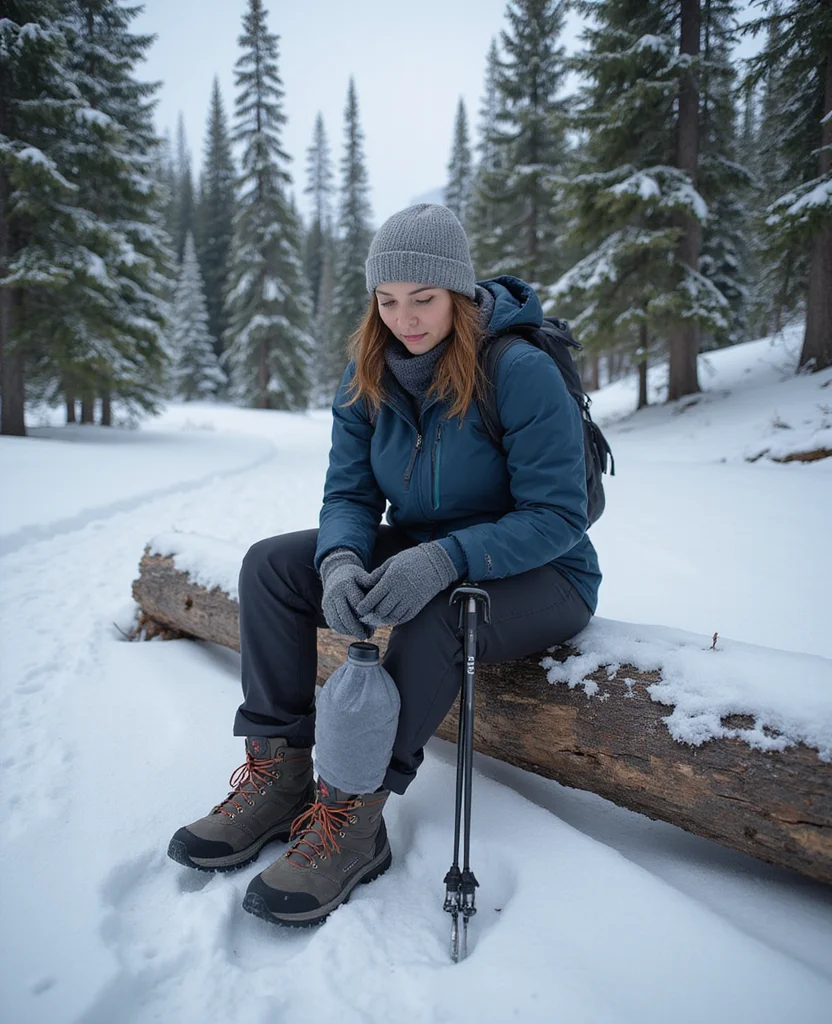
Cold feet often come from damp socks or boots that fit too tightly, not from a lack of layers.
Medium or heavy merino socks regulate heat and cushion each step while keeping moisture away from your skin.
They suit long winter hikes, snowshoe routes, and slow walks where dry feet matter most.
Outfit Pieces:
– Medium-cushion merino hiking socks in gray, black, or natural cream
– Heavy-cushion pair for roomy insulated boots
– Synthetic hiking socks for people sensitive to wool
– Reinforced heel and toe for frequent winter use
– Spare dry pair sealed inside a waterproof bag
Styling Tips:
– Smooth the sock over your toes, heel, and arch before putting on boots.
– Choose one suitable pair instead of stacking several tight pairs.
– Pull the top above your boot collar to prevent rubbing and snow contact.
– Change socks during long outings if they become damp.
– Dry used socks inside your jacket, away from direct heater contact.
Pair dry socks with gaiters and secure pant cuffs so snow cannot soak them.
Swap to a fresh pair during lunch or an overnight stay, and check for hot spots before a small fold becomes a blister.
You Might Also Like
Choose Wool Socks That Stay Dry
Editor’s Choice

Merino Wool Hiking Crew Socks for Men & Women, Thick Cushioned Anti-Blis…
Amazon$11.99
Mens Merino Wool Crew Socks Thermal and Warm Socks for Winter Work Hikin…
Amazon$14.99
Merino Wool Socks for Women Hiking Thermal Winter Thick Warm Cozy Boot S…
Amazon$6.8311. Wear Insulated Snow Boots With Real Traction
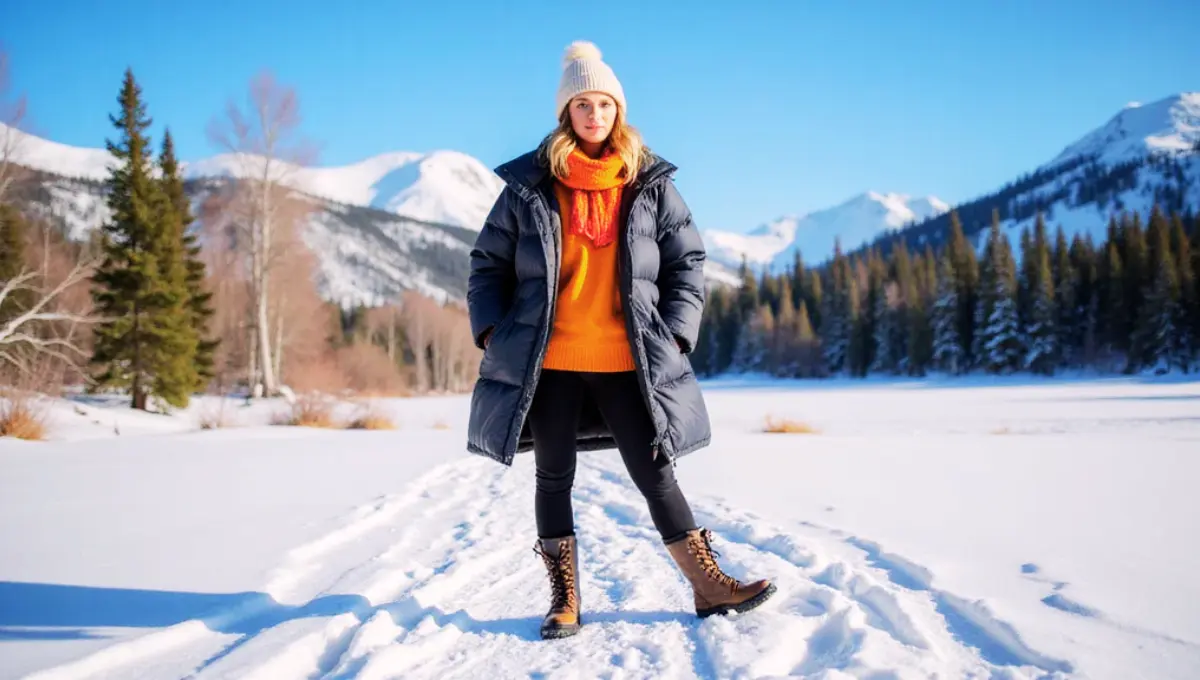
Your boots support every layer above them, so a poor fit can ruin an otherwise smart winter outfit.
Insulated waterproof boots with deep lugs keep feet warm, dry, and stable on snow or ice.
They are essential for packed trails, wet crossings, and slopes where ordinary running shoes cannot provide enough grip.
Outfit Pieces:
– Waterproof insulated winter hiking boots with a warm lining
– Tall cuff and gusseted tongue to block snow
– Firm sole with deep lugs for packed snow
– Room for one winter sock without squeezing toes
– Microspike-compatible sole for icy Jasper trails
Styling Tips:
– Try boots with your real winter socks and thermal leggings.
– Leave enough toe room for movement, especially on descents.
– Lace the heel firmly while keeping the forefoot comfortable.
– Test laces and buckles with gloves before heading outside.
– Pair the boot cuff with gaiters or zipped pants to close the snow gap.
Break boots in before a long route by wearing them on short walks.
Choose lighter footwear for maintained forest paths, or use more insulated boots when deep snow, low temperatures, and slow travel are expected.
Wear Insulated Snow Boots With Real Traction
Editor’s Choice

Winter Snow Gaiters for Hiking – Waterproof Ankle Covers for Snow Trekki…
Amazon$9.99

Access Spike Traction Device, Winter Grip, Winter Hiking
Amazon$78.8812. Add Microspikes or Snowshoes for Secure Footing
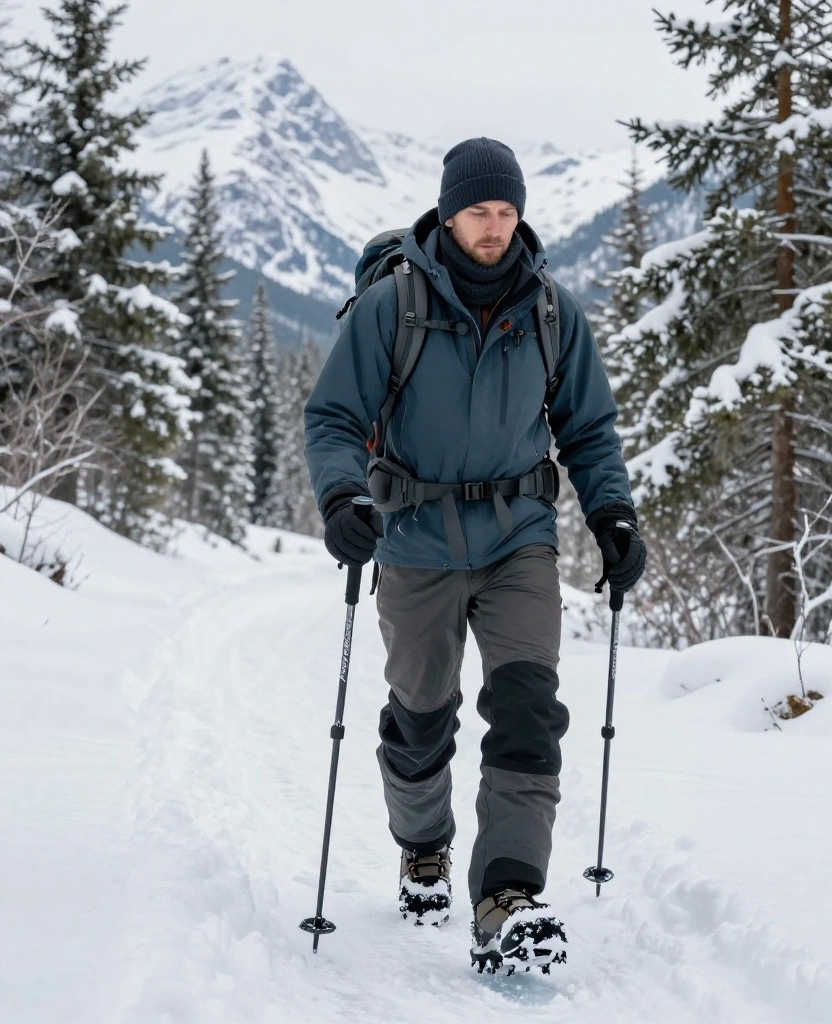
Warm boots cannot prevent every slip on Jasper’s packed winter trails.
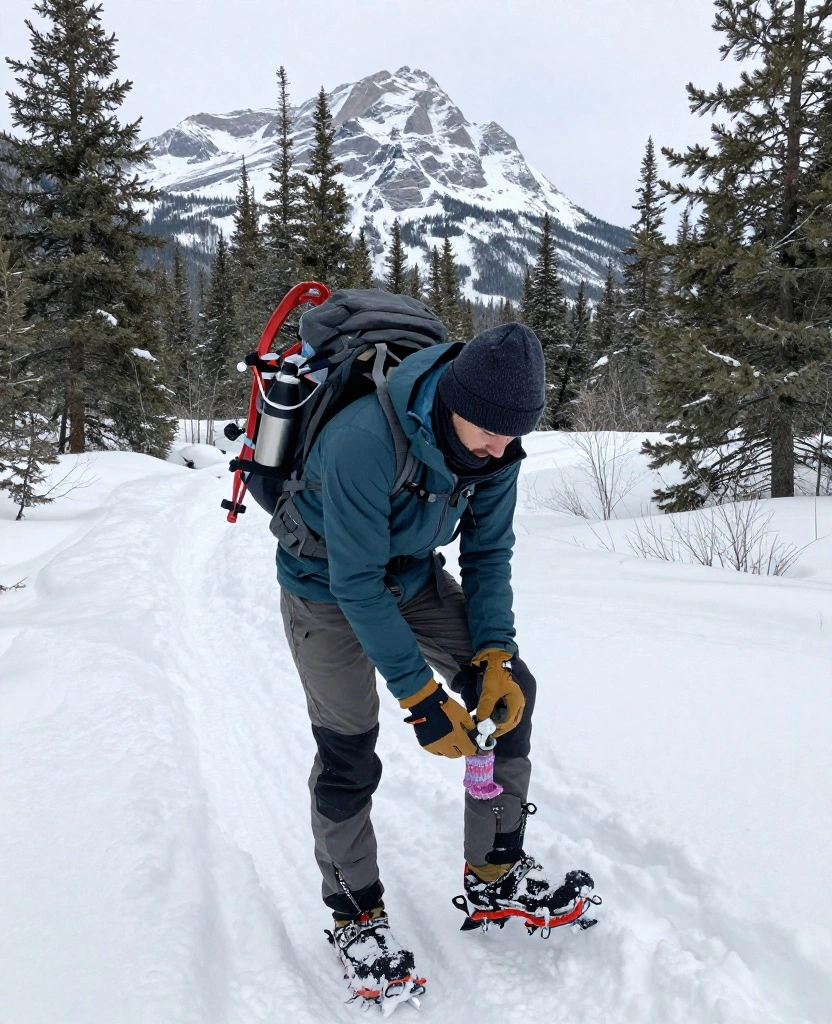
Microspikes add metal grip on icy paths, while snowshoes spread your weight across deep, soft snow.
The right choice makes climbing and descending feel more controlled on popular routes, shaded slopes, and fresh snowfall.
Outfit Pieces:
– Microspikes with chains or short metal points for packed ice
– Snowshoes for deep, loose, or untracked snow
– Trekking poles with snow baskets for extra balance
– Small storage bag for wet traction gear
– Gloves that allow you to adjust straps without removing them
Styling Tips:
– Practice fitting the device over your boots before the hike.
– Check that straps avoid laces, buckles, and loose pant fabric.
– Plant microspiked feet flat instead of twisting across icy ground.
– Lift your feet slightly higher when walking in snowshoes.
– Remove spikes on bare rock, wooden bridges, and indoor floors.
Read recent trail reports before choosing your traction.
Swap microspikes for snowshoes when the snow becomes deep, and turn around if ice, terrain, or visibility exceeds your comfort and skill level.
Add Microspikes or Snowshoes for Secure Footing
Editor’s Choice

Crampons Ice Cleats Traction Snow Grips for Boots Shoes Women Men Anti S…
Amazon$21.58
G2 21/25/30/36 Inches Light Weight Snowshoes with Trekking Poles, Tote B…
Amazon$114.99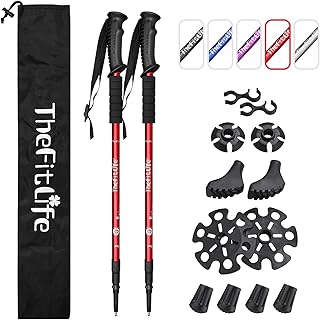
Telescopic Trekking Poles for Hiking, Anti-Shock Nordic Walking Sticks
Amazon$21.2313. Pack a Small Winter-Ready Daypack
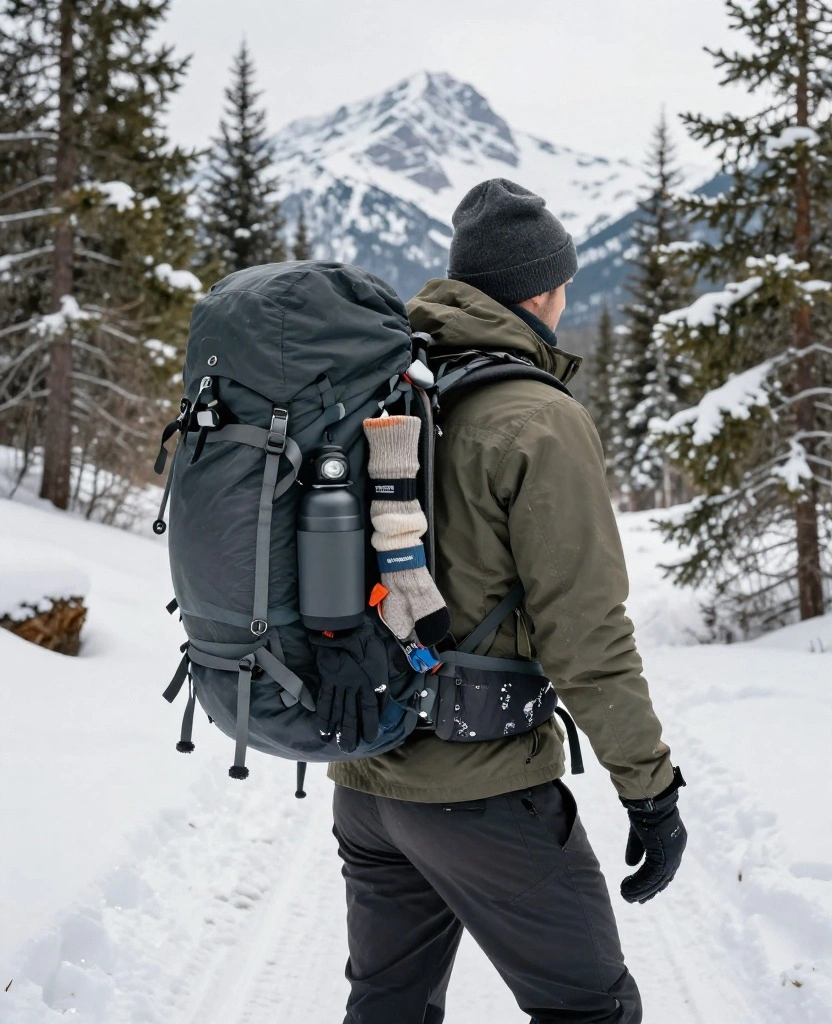
Your clothing system works better when your pack keeps backup layers dry and easy to reach.
A compact winter daypack carries insulation, food, water, navigation tools, and emergency supplies without pulling heavily on your shoulders.
It shines on full-day routes where weather, daylight, and trail conditions can change quickly.
Outfit Pieces:
– Twenty to thirty-liter daypack with a padded hip belt
– Insulated jacket, spare gloves, and dry wool socks
– Waterproof liner bags or individual stuff sacks
– Wide-mouth insulated bottle for freezing temperatures
– Headlamp, offline map, compass, phone, and power bank
– Snacks, first-aid kit, emergency blanket, sunscreen, and lip balm
Styling Tips:
– Store your insulated jacket near the top instead of beneath lunch and gear.
– Keep spare clothes in sealed bags, especially when opening the pack in snowfall.
– Adjust the hip belt over your shell without blocking jacket pockets.
– Carry water inside the pack or an insulated sleeve so it stays liquid longer.
– Use a bright pack cover or jacket color to improve visibility in poor weather.
Choose a smaller pack for short forest walks and a larger one for remote routes.
A well-organized bag keeps your layers comfortable, gives you dry options, and helps you respond calmly when a December hike takes longer than planned.
Pack a Small Winter-Ready Daypack
Editor’s Choice

Gregory Miko 30L Day Hiking Backpack, One Size Fits All, Optic Black
Amazon$179.95

Frelaxy Hi-Visibility Backpack Rain Cover with Reflective Strip 100% Wat…
Amazon$9.11Conclusion: Build Warmth One Smart Layer at a Time
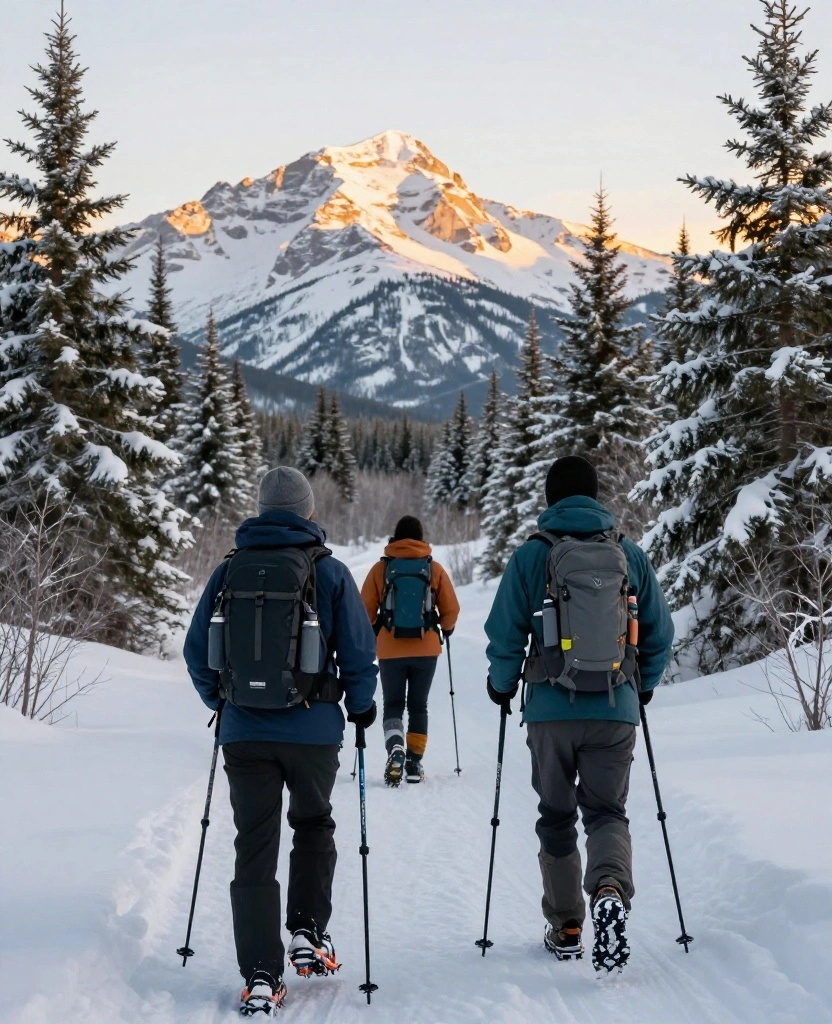
Knowing what to wear for hiking in Jasper in December comes down to a balanced system:
Dry thermal layers, flexible insulation, a waterproof shell, winter hiking pants, warm accessories, wool socks, secure snow boots, and dependable traction.
Add a prepared daypack, check the trail and weather, and adjust your layers before you get sweaty or chilled.
With the right winter hiking gear, snowy trails feel more comfortable, steady, and rewarding.
Pack thoughtfully, respect changing mountain conditions, and let Jasper’s quiet December beauty be the memorable part of the day.
Note: We aim to provide accurate product links, but some may occasionally expire or become unavailable.
If this happens, please search directly on Amazon for the product or a suitable alternative.
This post contains Amazon affiliate links, meaning we may earn a small commission if you purchase through our links, at no extra cost to you.
Frequently Asked Questions
Q. What should I include in a Jasper travel wardrobe?
Build your winter wardrobe around moisture-wicking thermal layers, warm fleece or wool, insulated outerwear, waterproof boots, comfortable winter pants, and high-quality accessories for snowy mountain conditions.
Q. What are the best Jasper winter outfits for women?
Try a thermal base layer with fleece-lined leggings or winter pants, a long puffer jacket, insulated snow boots, wool socks, gloves, and a cozy beanie.
Q. What are the best December packing tips for Jasper?
Pack thermal underwear, fleece layers, a warm insulated coat, winter pants, waterproof snow boots, wool socks, gloves, a scarf or neck warmer, and a warm beanie.
Q. What is the Jasper December weather like?
Jasper can be very cold and snowy in December, with freezing temperatures and chilly conditions throughout the day. Proper insulation is important for outdoor activities.
Q. What are the best Jasper outfit ideas for December?
Thermal base layers, fleece sweaters, insulated parkas, warm winter pants, waterproof snow boots, wool socks, gloves, and a beanie are ideal for Jasper in December.

10 Stylish San Francisco Outfits for August That Will Keep You Cool and Chic!

10 Must-Have San Francisco Outfits for June That’ll Make You the Envy of Every Tourist!

10 Must-Have Outfits for San Francisco in May That Will WOW the Locals!
